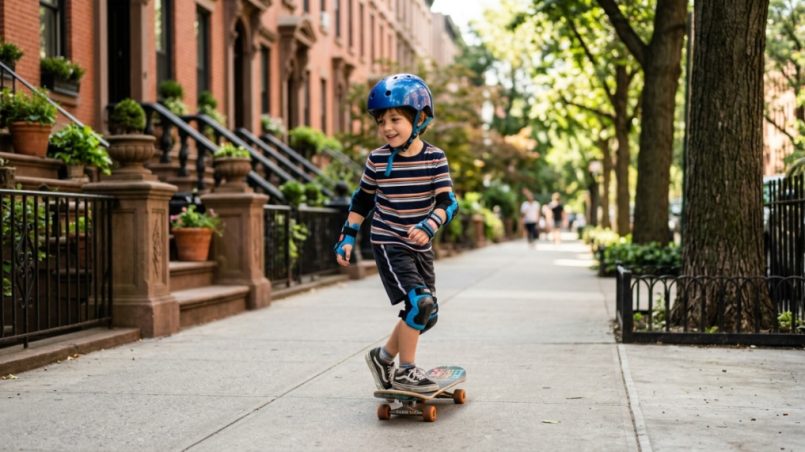
New York City presents a unique set of obstacles for young skateboarders, from crowded sidewalks and unpredictable traffic to uneven pavement and aggressive driving. The fast-paced urban environment demands more than just a helmet—it requires a complete safety strategy tailored to city conditions. For parents, the primary concern is not just preventing scraped knees but avoiding collisions with cars, bikes, and pedestrians.
The Unique Risks of Urban Skateboarding
Unlike suburban driveways or skate parks, NYC streets are shared spaces. Kids must navigate delivery trucks, e-bikes, and sudden crowds. According to NYC Department of Transportation data, the highest number of skateboard-related injuries occur on city streets rather than in parks. The key is to prepare your child for these specific urban hazards through training, gear, and constant awareness.
Why Standard Advice Falls Short
Most generic skateboarding safety guides focus on ramps and tricks. In NYC, the real danger is the environment itself. A child who knows how to fall on a ramp may not know how to avoid a pothole or a taxi cutting across a bike lane. This guide fills that gap by addressing real-world NYC conditions.
What Safety Gear Does a Child Actually Need for NYC Streets?
At a minimum, your child needs a CPSC-certified helmet, knee pads, elbow pads, wrist guards, and closed-toe shoes with flat soles. However, the quality and type of gear must be upgraded for city use. Lightweight “park” gear won’t cut it against concrete and gravel. Invest in durable, high-impact gear designed for street skating.
Helmet Standards Are Non-Negotiable
Look for a helmet certified by the Consumer Product Safety Commission (CPSC) or ASTM F1492 standard. In NYC, multi-impact helmets (often used in snowboarding) provide extra protection for repeated falls on hard surfaces. Ensure the helmet sits level on the head, fits snugly, and does not move when the child shakes their head.
Knee and Elbow Pads for Concrete Falls
NYC sidewalks are notoriously rough. Choose pads with hard plastic caps and thick foam padding. Velcro straps must be tight enough to prevent sliding down upon impact. Avoid cloth-only pads sold in toy stores—they offer almost no protection on asphalt.
Wrist Guards Are Critically Important
The most common skateboarding injury in children is a broken wrist. Hard-shell wrist guards with metal splints prevent the natural instinct to catch a fall with an open hand. Teach your child to always fall with their arms tucked, but the wrist guard is their backup plan.
How Can You Find a Safe Skateboarding Location in NYC?
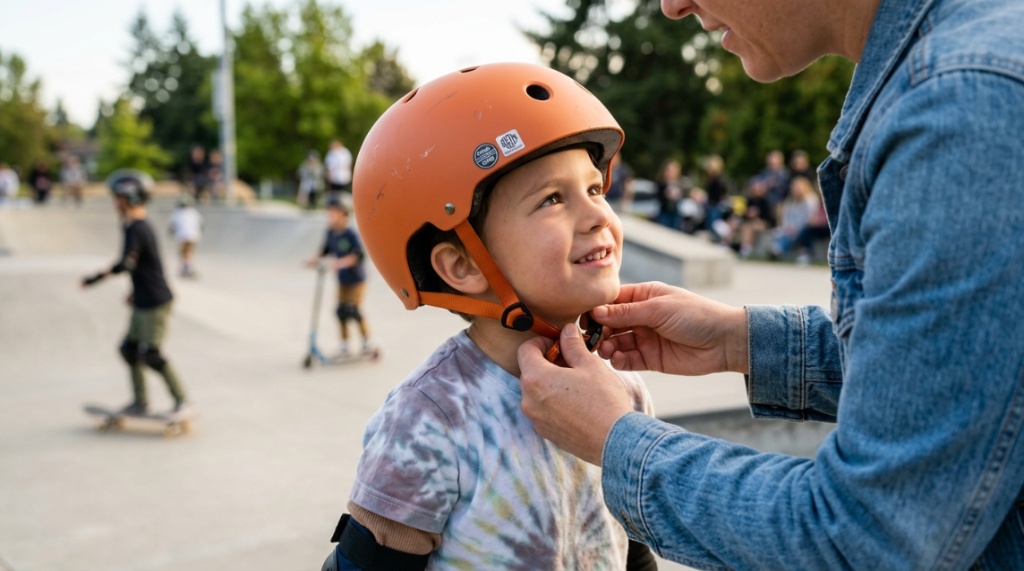
Safe locations include designated skate parks, certain bike lanes, and empty parking lots during off-peak hours. Avoid busy sidewalks, streets with heavy traffic, and any area near intersections, bus stops, or subway grates. The safest place is a supervised skate park with smooth surfaces and no car traffic.
Best Skate Parks in NYC for Kids
Top recommended spots include Coleman Skate Park in Queens, Pier 62 Skate Park in Manhattan, and Tompkins Square Park in the East Village. These parks have ramps, rails, and flat areas suitable for beginners. Most have separate sections for different skill levels, reducing the risk of collisions with advanced skaters.
How to Evaluate a Street Spot for Safety
Before letting your child skate on a street spot, check for these conditions: smooth pavement without cracks, no loose gravel or debris, low pedestrian traffic during the time you plan to skate, and a clear line of sight to oncoming vehicles. Never let a child skate downhill on a busy street.
When Should You Start Teaching Your Child to Skateboard in NYC?
Most experts recommend starting at age 5 or 6, when children have enough balance and coordination. However, in NYC, the environment demands even more maturity. A child must understand basic traffic rules, be able to stop reliably, and have the discipline to wear gear without complaining. Start on a flat, empty basketball court before ever approaching a street or path.
Building Basic Skills Before Streets
Your child should master these three things in a safe, controlled environment: pushing and gliding, turning at low speed, and the foot brake technique (scraping the back foot on the ground to slow down). These skills take at least 10–15 practice sessions to become second nature. Do not rush this phase.
When to Upgrade to Street Skating
Only allow street skating after your child can stop within 10 feet at any speed, can turn away from an obstacle, and has proven they will not take off their helmet mid-session. A good test is to have them skate a short block sidewalk route with you walking beside them—if they panic or forget basic skills, they aren’t ready.
Which Type of Skateboard Is Safest for a Child in NYC?
For NYC, a wider board (8 inches or more) with larger, softer wheels (78A durometer or softer) provides the best stability and shock absorption. Avoid narrow trick boards (7.5 inches or less) and hard wheels (99A or higher) that get stuck on cracks and pebbles. A cruiser or mini-cruiser shape is ideal for city pavement.
Board Size and Weight Considerations
A board that is too heavy or too long makes it difficult for a child to control in tight spaces. Look for a board that is about as tall as your child’s waist and weighs less than 10 pounds. Consider a complete setup from a reputable brand rather than a cheap toy board, which often uses plastic trucks that break easily.
Wheel Hardness and Bearing Maintenance
Soft wheels (78A–87A) grip the pavement better and absorb vibrations from rough asphalt. They also reduce the risk of being thrown off by a small rock. Clean and lubricate bearings every two weeks if your child skates daily on NYC streets, since dirt and grit can quickly wear them out.
Can a Child Skateboard on NYC Sidewalks Legally?
Yes, but with important restrictions. According to NYC Administrative Code Title 34, Chapter 4, skateboarding is allowed on sidewalks as long as it does not endanger pedestrians. However, skateboarding is prohibited in certain areas, including Times Square, major commercial districts, and where signs specifically forbid it. Breaking these rules can result in fines of up to $100.
Understanding the Local Laws
Enforcement varies by precinct. In some neighborhoods, police will issue warnings; in others, they issue tickets immediately. Teach your child to obey all posted signs and to never skateboard on streets with speed limits over 30 mph. Always yield to pedestrians—in NYC, pedestrians have the right of way, even if they step into your path.
Legal Consequences for Parents
While rare, parents can be held liable for damages caused by their child’s skateboarding under New York law. If your child damages property or injures someone, you may be responsible for the costs. This makes proper supervision and safety gear even more critical from a legal standpoint.
How Do You Teach a Child to Fall Safely in NYC Traffic?
Teaching a child to fall properly is the single most important skill for NYC skateboarding. The goal is to spread impact across the largest surface area possible. Practice falling on soft grass first, then move to rubberized playground surfaces. The “tuck and roll” method is best: crouch low, tuck arms in, and roll forward onto your shoulder and back.
The Three Stages of a Safe Fall
First, the child must learn to recognize when a fall is inevitable and commit to the fall rather than fighting for balance. Second, they should immediately lower their center of gravity by bending their knees deeply. Third, they should fall sideways or forward into a roll, using the padded gear to absorb the slide. Avoid falling backward, as that increases the risk of head injury.
Drills to Practice Falling
Set up a foam mat or crash pad in a park. Have the child approach the pad at a slow jog, then intentionally fall sideways, rolling onto their padded shoulder and hip. Repeat this 20 times per session until it becomes automatic. In a real street situation, muscle memory will kick in faster than conscious thought.
What Are the Best Safety Gear Sets for Kids in New York?
Complete safety gear packages designed specifically for urban environments are the most convenient and reliable option. Look for sets that include all four major pads plus a helmet, all rated for street skating conditions. The best sets use double stitching, reinforced impact zones, and adjustable straps to accommodate growth.
Key Features to Look For
Durable materials such as 600D polyester or nylon shells, high-density EVA foam padding (at least 10mm thick), and ventilated helmet designs for summer NYC heat. Avoid sets that use thin foam or mesh fabric—they will not survive a single hard fall on concrete. Also, check that the set includes hard plastic caps on the knee and elbow pads, not just soft fabric.
Where to Find Reliable Sets Locally
While many online options exist, some New York shops carry gear specifically tested for city conditions. For a comprehensive list of kid-friendly safety gear that meets NYC standards, check out this resource on child skateboarding safety NYC. It compares the top-rated sets based on impact testing, durability, and fit for younger riders.
How Can Parents Supervise Without Getting in the Way?
Stand five to ten feet away from your child while they skate, positioned between them and any traffic or pedestrian flow. Maintain eye contact and verbal communication. Do not hover directly behind them, as this can cause them to look back and lose balance. Instead, stay at the edge of their peripheral vision, ready to offer guidance or intervene.
Watch for Signs of Fatigue
Children tire quickly, especially on uneven NYC pavement. If you see their pushes become sloppy, their turns become wide, or they seem distracted, call for a break. Pushing through exhaustion is a leading cause of crashes. A 20-minute skate session with a 10-minute rest is far safer than a continuous hour of skating.
Use Hand Signals for Communication
Teach your child basic hand signals for “stop,” “slow down,” and “turn left/right.” This is especially important if you are skating at a park where it is too noisy to shout. Agree on hand signals before the session begins, and practice them at home so they become reflexive.
How Do You Handle NYC Weather for Skateboarding?
NYC weather is unpredictable. The golden rule is: never skate on wet pavement. Rain and puddles not only ruin bearings and grip tape but also make the surface extremely slick. Wait at least 24 hours after heavy rain for the streets to dry completely. In winter, avoid below-freezing temperatures, as cold makes concrete brittle and can cause wheels to harden. Here’s how to safely store skateboards at home after returning from a session in the city to keep floors clear and hazard-free.
Summer Heat and Hydration
NYC summers are humid, and skaters sweat heavily. Dehydration leads to dizziness and poor coordination. Bring at least 32 ounces of water per child for a one-hour session. Take breaks in the shade, and apply sunblock to exposed skin—sunburn on the back of the neck is a common complaint among young skaters.
Winter and Cold Weather Gear
If your child insists on skating in cold weather, layer thin, moisture-wicking clothing under the pads. Avoid bulky coats that restrict movement. Consider adding a thin beanie under the helmet for warmth, but ensure it does not lift the helmet off the forehead. Gloves with grip can help maintain handlebar-level control on the board.
Frequently Asked Questions
What age is safe for a child to start skateboarding in NYC?
Most experts recommend age 5 to 6 as a minimum, but the child must show good balance, coordination, and an understanding of basic safety rules. Start in a controlled environment like a skate park before attempting sidewalks or streets.
Do NYC skate parks require safety gear?
Yes, most NYC skate parks require helmets and strongly recommend kneepads, elbow pads, and wrist guards. Some parks enforce these rules with staff, while others rely on parental responsibility. Always bring full gear regardless of requirements.
Is it legal to skateboard on NYC bike lanes?
Yes, skateboarding is permitted in bike lanes, but you must yield to bicycles. Children should be extra cautious because e-bikes and delivery scooters often travel at high speeds in bike lanes. Use only protected bike lanes separated from car traffic.
How do you choose the right helmet size for a child?
Measure your child’s head circumference just above the eyebrows. Use sizing charts from the helmet manufacturer. The helmet should sit level on the head, with the rim one finger’s width above the eyebrows. The straps should form a V under the ears.
Can a child teach themselves to skateboard from YouTube videos?
While videos help with inspiration, in-person instruction is safer for NYC conditions. A certified instructor or experienced adult can correct posture and falling technique immediately. Self-teaching often leads to bad habits that increase injury risk on city streets.
What should a child do if they start falling in traffic?
Shout “falling!” to alert others, then immediately tuck into a roll, keeping limbs close to the body. Roll away from the direction of traffic if possible. The goal is to get as small and compact as possible to minimize exposure to vehicles.
How often should you replace skateboarding safety gear?
Replace a helmet after any significant impact, even if no cracks are visible. Replace pads when the foam becomes compressed or the plastic shells crack. For regular users in NYC, inspect gear monthly and replace at least once a year if used weekly.