You know that ache. The numbness that creeps into your feet around mile 40. The hot spot under the ball of your foot that turns a century ride into a survival test. You have the right saddle, a comfortable pair of shorts, and your bike fit is dialed in. But your feet still hurt. The missing link is often the unsung hero of bike comfort: your pedal system. Upgrading to high-quality road bike pedals choices can transform a painful slog into a smooth, powerful ride. Better pedals increase the surface area, optimize your foot position, and reduce pressure points, allowing you to ride longer without pain. This is not just about power transfer; it is about biomechanical efficiency and sustained comfort.
The Problem-Agitation-Solution framework applies perfectly here. The problem is that stock pedals are often narrow and unforgiving, concentrating your body weight onto a tiny platform. This agitates the nerves and soft tissues in your feet, leading to numbness, cramping, and fatigue. The solution is understanding how specific pedal designs—from platform size to float adjustment—directly improve comfort.
In this guide, you will learn exactly how to choose pedals that prioritize comfort, what technical features to look for, and why your choice of road bike pedals matters for long-distance riding.
Why Do My Feet Go Numb on Long Bike Rides?
Foot numbness on a bike is typically caused by compression of the nerves and blood vessels in the forefoot. When you pedal, your body weight pushes down on the pedal platform. If that platform is small or hard, it creates a concentrated pressure point directly on the sensitive nerves near the metatarsal heads. This restricts blood flow and irritates the nerves, causing that familiar “pins and needles” sensation. Upgrading pedals with a larger, more supportive platform can distribute this pressure more evenly, drastically reducing numbness.
Think of it like standing on a golf ball versus standing on a dinner plate. The golf ball drives all pressure into a tiny spot. Most stock pedals are closer to the golf ball. A quality long-distance pedal is the dinner plate. The material also matters. Nylon composite pedals flex slightly, absorbing road vibration, while hard aluminum pedals transmit every pebble directly into your sole.
Key Factors in Numbness
- Pressure Concentration: Small pedals force high pressure onto a small area.
- Lack of Support: No arch support or concave shape for the foot to lock into.
- Sliding Foot: Feet moving around on the pedal forces you to grip, leading to cramping.
- Vibration: Constant road chatter fatigues the muscles and nerves.
What Is the Best Pedal Platform Size for Comfort?
The best platform size for comfort on long rides is medium to large, typically measuring 100mm to 115mm in length and 100mm to 110mm in width. This size provides a stable foundation without being so large that it interferes with ground clearance during turns. A wider platform cradles the entire forefoot, specifically the metatarsal heads, to spread load. A platform that is too small creates hot spots, but one that is excessively large can feel clunky. Look for a pedal that matches the width of your foot’s ball.
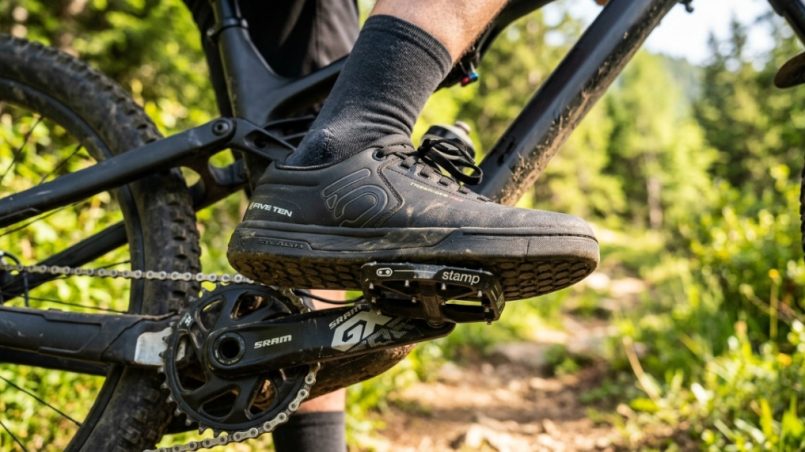
Consider the shape. A concave platform, where the center is slightly lower than the edges, is the most comfortable. This allows your foot to sit into the pedal, locking the foot in place naturally. Flat or convex pedals create an unstable rocking sensation, forcing your foot to work harder to stay centered, which leads to fatigue. For clipless systems, the platform size of the body itself (even if you clip in) matters because it supports the sole of your shoe.
Platform Size Comparison
| Pedal Type | Typical Size | Comfort Rating | Best For |
|---|---|---|---|
| Standard Road Pedal (Look/Shimano SPD-SL) | 60mm x 70mm | Low | Race and short rides |
| Large Platform MTB Pedal | 110mm x 115mm | High | Endurance gravel and touring |
| Hybrid Commuter Pedal | 100mm x 100mm | Medium-High | Fitness and long road rides |
| Pedal with Cage (Toe clips) | Variable | Medium | Retro or specific fit needs |
How Does Pedal Float Affect Knee and Foot Comfort?
Pedal float is the rotational movement of your foot while clipped into the pedal. It directly affects knee and foot comfort by allowing your leg to find its natural tracking path. Without float, your foot is locked into a rigid position, which forces your knee to twist against its natural alignment. This leads to patellar tracking issues and IT band problems. Float allows your ankle and knee to pivot slightly with each stroke, reducing strain on the joints and preventing hot spots in the foot caused by lateral pressure.
The amount of float varies by pedal brand and cleat design. Look cleats typically offer adjustable float (0 to 9 degrees). Shimano pedals usually offer 6 degrees of float. Speedplay pedals are famous for massive free float (up to 15 degrees). For comfort, choose a system with at least 4-6 degrees of float. If you are prone to knee pain, more float is generally better. However, too much float can feel unstable for sprinting. It is about matching the float to your natural gait.
If you are upgrading your setup to build stamina for endurance cycling, consistency is key. When bad weather keeps you indoors, practicing your foot placement on the Bike Trainer Stand for Beginners is an excellent way to adapt to your new pedals before hitting the open road.
Float Adjustment Tips
- Start with maximum float to see how your knees naturally move.
- Ride for 30 minutes and notice if your foot wants to sit in one angle.
- Gradually reduce the float by 2 degrees until you feel locked in but not forced.
- If you feel knee pain on the inside, you likely need more float.
Can Pedal Material Reduce Fatigue on Long Rides?
Yes, the material of your pedals significantly affects fatigue by changing how road vibration and shock are transferred to your feet. Nylon composite pedals are superior for comfort because they naturally absorb high-frequency vibration, similar to how a rubber handlebar tape dampens road buzz. Aluminum pedals, while stiff and efficient for sprinting, act as a tuning fork, sending road chatter directly into your bones. For all-day endurance rides, nylon or carbon composite pedals are the better choice for comfort.
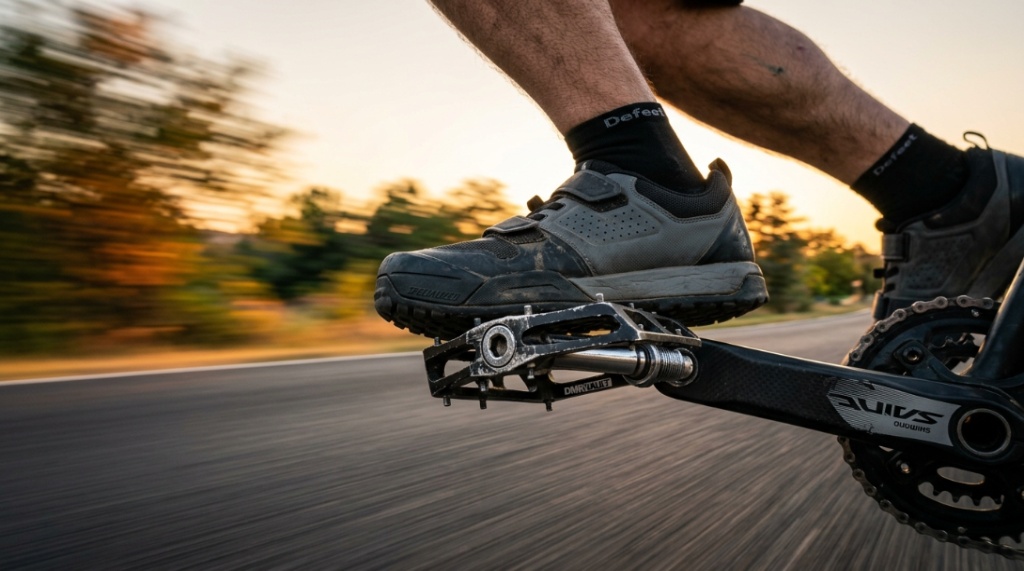
However, there is a trade-off. Aluminum is more durable and resistant to cracking under extreme impact. Nylon composites can flex too much under heavy riders (over 200 lbs), leading to a vague feeling and wasted energy. The best comfort material is a high-grade glass-fiber reinforced nylon. It is stiff enough for power transfer but has the damping properties needed for comfort. Carbon fiber pedals are a premium compromise: very stiff yet slightly dampening, but at a high cost.
Which Pedal Type Is Best for Long Distance: Clipless or Flat?
For long-distance road riding, clipless pedals (SPD-SL, Look, and Speedplay) are generally best for comfort because they provide a stable foot position, eliminate hot spots from foot slippage, and allow you to pull up on the pedal, relieving pressure on the downstroke. For gravel or touring, large platform flat pedals with spikes can be more comfortable if you prefer to move your foot position frequently. However, for pure road endurance, clipless pedals offer the best biomechanical efficiency and foot stability.
The comfort advantage of clipless pedals comes from the stiff sole of the cycling shoe combined with the large cleat interface. This creates a solid, flat connection. With flat pedals, you are standing on a softer shoe sole that can deform, creating pressure points over time. But flat pedals allow you to shift your foot position instantly, which can relieve pressure on a specific spot. For a 100+ mile road ride, the stability of clipless wins. For an all-day bikepacking trip with frequent stops, quality flat pedals are a strong contender.
How to Choose Pedals for Wide Feet or Large Sizes
If you have wide feet or wear a shoe size US 11 or larger, you need pedals with a wider axle and a larger platform to keep your foot centered. Standard pedals often have axles that are too short, causing your foot to hang off the edge. This creates instability and pain on the side of the foot. Look for pedals with a “spindle” or “axle” length of at least 54-56mm. Some brands offer “plus” or “wide” versions specifically for large feet.
Also consider the cleat interface. With wide feet, your heel may strike the crank arm on clipless pedals. Using pedal spacers (thin washers) between the crank and the pedal can move the pedal outward by 2-4mm, fixing this issue. For flat pedals, the size is king. A pedal that is too small forces your foot to sit off-center. Measure the width of your forefoot and buy a pedal that is at least as wide as your foot’s ball.
What Role Do Bearings Play in Pedal Comfort?
Bearings are critical for comfort because they determine how smoothly the pedal spins and how much resistance you feel. A pedal with poor bearings (bushings only) can feel gritty, requiring more effort to spin and causing micro-vibrations in your foot. Smooth bearings (sealed cartridge bearings) allow the pedal to rotate freely, reducing friction and allowing your foot to find its natural position without resistance. This reduces fatigue in the ankle and foot.
For long rides, look for pedals with sealed cartridge bearings. They are durable, low maintenance, and provide consistent smoothness. Some pedals use a bushing combined with a bearing. This is acceptable for the front of the pedal but can wear out faster. High-end pedals use dual sealed cartridge bearings and a needle bearing for the main load. The smoother the pedal spins, the less energy you waste, and the more comfortable the ride feels over time.
How to Adjust Cleat Position for Maximum Comfort
Proper cleat position is the single most impactful adjustment for pedal comfort. To find your optimal position, you need to set the cleat so the ball of your foot is directly over the pedal axle. This provides the most efficient power transfer and reduces strain on the Achilles tendon. However, for comfort, you may want to move the cleat slightly back (towards your heel) by 2-3mm to reduce pressure on the forefoot. This is known as “pedaling on your heels” and is common for endurance cyclists.
Step-by-Step Cleat Adjustment
- Find the Ball of the Foot: Stand on the floor and find the widest part of your foot. Mark it.
- Center the Cleat: Align the marked point with the center of the pedal axle.
- Set the Side-to-Side: Center your foot over the pedal, not offset to the side.
- Angle the Cleat: Point your toes naturally. If your foot toes out, angle the cleat inward slightly.
- Test Ride: After 15 minutes, adjust 2mm back if you feel forefoot pressure.
Are There Pedals Specifically Designed for Long Ride Comfort?
Yes, several pedal designs are engineered specifically for comfort on long rides. These pedals feature integrated footbeds, shock absorption, and oversized platforms. For example, the Hapleby Premium pedals (which you can check in the review linked earlier) offer a large, concave nylon composite platform designed to cradle the foot. Other brands like Speedplay offer the “Aero” series with massive float to reduce knee stress. Shimano’s “ES” series road pedals have a wider pedal body for better shoe support.
Look for specific features: built-in reflectors for safety, a concave shape for foot retention, and anti-slip pins or texture. Some pedals even have replaceable traction pins that can be adjusted for different shoe types. The best comfort pedals also have a lower profile to reduce the distance from the shoe to the axle, improving stability. Do not ignore pedals designed for mountain biking (like the Hapleby) for road use; their large platform is often more comfortable than skinny road pedals.
What Is the Ideal Pedal Weight for Comfort on Climbs?
Pedal weight is a secondary comfort factor, but it matters on long climbs. Heavier pedals (over 350g per pair) can contribute to leg fatigue on steep gradients because you must lift that extra weight with each pedal stroke. However, ultralight pedals (under 200g) are often made of stiff alloy that can be uncomfortable. The ideal weight for comfort is between 250g and 320g per pair. This weight provides a solid platform without being a burden on the climb.
This is where material choice comes back. A nylon composite pedal often weighs around 280g, offering a perfect balance of weight, comfort, and damping. A metal pedal in the same weight class would be too small. Do not sacrifice 50 grams of weight for a pedal that causes pain after 50 miles. Comfort trumps stiffness on long rides. The weight penalty of a composite pedal is negligible compared to the fatigue savings from improved vibration damping.
How to Test Pedal Comfort Before a Long Buy
Before committing to expensive pedals, test comfort by looking at the foot-to-pedal contact area. Place the pedal on your shoe (while wearing the shoe) and see how much of your shoe’s sole is in contact with the pedal. If the pedal is smaller than the ball of your foot, it will be uncomfortable. You can also test the float by holding the pedal and rotating your foot. If it feels gritty or stiff, it will not be comfortable for a long ride.
Read reviews that specifically mention “long ride comfort” or “endurance.” Look for comments about hot spots and numbness. Finally, buy from a shop with a good return policy. Many specialty shops allow you to test ride pedals for 30 days. This is the only way to know for sure. Also, consider the shoe you will use. A very stiff carbon shoe transfers more shock, so a damp pedal is more critical. A flexible touring shoe is more forgiving with a stiffer pedal.
Frequently Asked Questions
Can I use mountain bike pedals on a road bike for comfort?
Yes, mountain bike pedals (like the Hapleby) often have larger platforms and superior grip, making them very comfortable for road use. The cleat system (SPD) is also easier to walk in, which is great for cafe stops on long rides.
How often should I replace my pedals?
Replace pedals when the bearings become rough or the platform shows significant wear. For high-use cyclists, this is typically every 10,000 to 15,000 miles. Cracked or deformed pedals should be replaced immediately.
Do pedal cages or toe clips improve comfort?
Toe clips can improve comfort by keeping your foot in a consistent position, but they often create hot spots if the cage is hard plastic. They are less comfortable than modern clipless systems for very long rides.
Is a heavier pedal always more durable?
Not always. Heavy steel pedals are durable but transmit vibration. Lighter composite pedals can be very durable for road use and often last longer in terms of bearing life because they are less rigidly mounted.
Can pedals cause lower back pain?
Yes. If your pedals do not allow the correct float or stance width, your hips will tilt, causing lower back strain. Ensuring your feet are level and centered on the pedals is crucial for spinal alignment.
What is the best cleat type for knee comfort?
Speedplay pedals are often recommended for knee comfort due to their massive free float. However, Look and Shimano pedals with adjustable float work well if set up correctly. The most important factor is having the cleat positioned correctly.
Do I need special shoes for comfortable pedals?
Yes. For clipless pedals, you need dedicated cycling shoes. For flat pedals, a stiff-soled shoe with good grip is best. Running shoes on flat pedals are terrible for long rides because they are too flexible.
Conclusion
Improving comfort on long rides starts from the ground up. Your feet are the connection point to your bike, and if they are unhappy, your entire ride suffers. By upgrading from narrow, unforgiving pedals to a larger, concave platform with proper float and smooth bearings, you eliminate the primary causes of foot numbness, pain, and fatigue. You can transform a painful century ride into a smooth, enjoyable adventure.
Start by assessing your current setup. Are your feet sliding? Do you have hot spots? If so, it is time to invest in better pedals. Look for a quality nylon composite platform that matches the width of your forefoot, offers at least 4 degrees of float, and uses sealed bearings. Don’t be afraid to try a hybrid or mountain bike pedal that offers a larger footprint. Your knees and feet will thank you after your next long ride.
Take action today. Research the pedals mentioned in this guide, consider your specific needs (wide feet, knee pain, or vibration issues), and make the upgrade. A small investment in pedals pays back in comfort, efficiency, and enjoyment for thousands of miles.