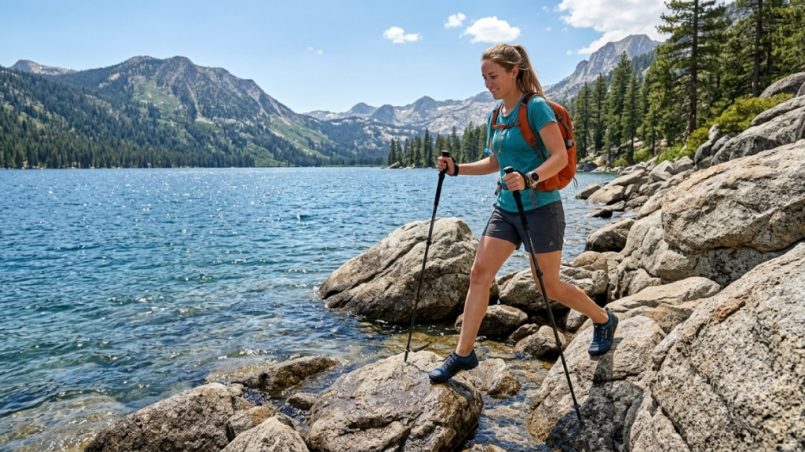
There’s nothing worse than stepping onto a slimy, sharp, or scorching-hot lakebed. You planned a perfect day by the water, but the moment you wade in, your feet are at the mercy of hidden rocks, broken glass, and abrasive sand. That’s the moment you realize your old flip-flops or bare feet just won’t cut it. The solution is a pair of quick-dry swim shoes, but choosing the right pair for lake environments isn’t as simple as grabbing the first pair you see. You need footwear that drains water instantly, grips slippery boat ramps, protects against unseen hazards, and doesn’t turn into a soggy mess by lunchtime. This guide walks you through the science and practical know-how of selecting the perfect lake companion, so you can spend less time worrying about your feet and more time enjoying the water.
What Makes a Swim Shoe “Quick-Dry” for Lake Use?
A truly quick-dry swim shoe is engineered with materials that repel water absorption and promote rapid evaporation. Unlike regular sneakers that soak up water like a sponge, these shoes use mesh uppers, perforated drainage holes, and hydrophobic foams. The goal is to shed moisture aggressively so your feet aren’t soaking wet hours after leaving the water. Footwear adjustments or preparing outdoor gear for water and land transitions fix tight hiking boots before heading out on rugged terrain, ensuring your water shoes fit snugly and preventing blisters during long lake treks.”
The Role of Mesh Uppers in Drying Speed
Mesh is the backbone of any quick-dry shoe. Look for a tight, breathable weave that prevents small pebbles and sand from entering while allowing water to escape freely. Open-cell mesh dries faster than closed-cell fabrics because it doesn’t trap water molecules. When testing a shoe, pour water over it and watch how quickly it drains—you want a shoe that sheds water immediately, not one that holds it.
Why Drainage Holes Matter More Than You Think
Drainage holes aren’t just a gimmick. They serve as escape routes for water and debris. The best lake shoes have multiple ports on the sole and sides. This feature is critical when you’re exiting the lake; gravity does the work, pulling water out instantly rather than letting it swish around inside. Without proper drainage, your feet stay wet, which can lead to blisters and discomfort.
Hydrophobic Foam vs. Standard EVA
EVA foam in the midsole can either absorb water or repel it. High-quality quick-dry shoes use closed-cell EVA foam that doesn’t soak up moisture. Standard EVA foam, on the other hand, can become waterlogged and heavy. Always check the product specs: if the foam is a closed-cell type, it guarantees lightweight performance even after prolonged submersion.
Which Sole Type is Safest for Rocky Lake Bottoms?
Look for a sole with multi-directional lugs and pronounced tread depth. In lake environments, algae-covered rocks are the #1 slipping hazard. An aggressive tread pattern channels water away from the sole, creating direct rubber-to-rock contact, which is essential for stability on uneven surfaces.
Multi-Directional Lugs for Traction
Shoes specifically designed for lake use should have chevron-style or hexagonal lugs that face multiple directions. This design bites into slippery surfaces whether you’re walking forward, backward, or sideways. Avoid flat “slick” soles, which provide zero grip on wet granite or wooden boat docks.
Hardness Rating: The Rubber Duro Factor
Rubber hardness is measured in durometers (A scale). A rating between 50A and 60A is ideal for lake bottoms. Softer rubber (40A) offers great grip but wears down fast on rough terrain. Harder rubber (70A) lasts longer but lacks flexibility and traction on slick surfaces. Aim for a balance: a compound that’s sticky yet resilient.
Rock Protection vs. Flexibility
You need a sole thick enough to protect your feet from sharp rocks but flexible enough to move naturally. A midsole thickness of 4–6mm offers the sweet spot: it shields against painful pressure points without feeling like clunky boots. Look for a “toe cap” or reinforced front area to protect against stubbing on submerged logs.
How Should Quick-Dry Swim Shoes Fit for All-Day Comfort?
Fit is the most overlooked factor in buying lake shoes. The shoe should fit snugly like a glove yet leave a millimeter of space at the toe. A too-tight fit causes cramps and blisters, while a loose fit allows sand and grit to act like sandpaper against your skin.
Snug Heel Lock: Do Slippers Slide?
Your heel should stay planted even when the shoe is wet. Look for a molded heel counter or a stretchable bungee collar that hugs your ankle. A good heel lock prevents friction, which is the primary cause of Achilles tendon blisters during long hikes along the shoreline.
Toe Box Width Considerations for Long Hikes
Lakes often require walking over gravel paths to reach prime spots. If the toe box is too narrow, your toes will jam together on downhill slopes, causing nerve irritation. Opt for a wide or ergonomic toe box that allows your toes to splay naturally. This is critical for maintaining blood flow over extended periods.
Sizing Up: When Should You Order a Half-Size Up?
With socks, your normal size works. But if you wear your shoes barefoot (the most common choice), we recommend going a half-size up. Barefoot use causes your foot to swell slightly when wet. A little extra length prevents your toes from banging against the front when you land on uneven terrain.
Can You Wear Swim Shoes on Dry Land Without Discomfort?
Yes, but only if the sole is designed with a “crossover” pattern. The best lake shoes are hybrid—they perform in water but don’t feel like water shoes on land. You need a shoe that offers some arch support for walking on hard paths, not just a soft squishy foam that feels weird on dry dirt.
Arch Support and Heel-to-Toe Drop
Look for a slight heel-to-toe drop (4–8mm) that encourages a natural walking gait. Minimal, zero-drop shoes may fatigue your calf muscles if you walk to the lake from a parking lot. A subtle rise helps transition from water to land without making your feet feel flat.
Quick Drying Out of Water: Does It Work?
Yes. Quick-dry materials also evaporate moisture when you’re resting. On a hot day, a pair of quick-dry swim shoes can be dry in 20–30 minutes, while standard athletic shoes remain damp for hours. This is especially handy when you need to go to a restaurant or drive without squealing.
The “Squish Factor” Test
Press the heel and toe while wearing them. If you hear excessive squishing, the shoe retains too much water. Good quick-dry shoes let water escape instantly without that annoying suction sound. When you walk out of the lake, the shoe should feel surprisingly light within a minute.
Why Is Ankle Coverage Crucial in Lake Shoes?
Ankle coverage is the difference between a comfortable gait and a shoe that harbors debris. In lakes, loose sand and small pebbles tend to float into footwear. A low-cut sneaker leaves your ankle exposed, allowing everything to pour in.
Low-Top vs. High-Top: Pros and Cons
- Low-top (low-profile): Better breathability, easier to slip on, but lets in sand around the collar.
- High-top (ankle height): Prevents debris entry and offers better ankle support on uneven terrain but is warmer in hot weather.
Integrated Gaiters for Sand Control
Some advanced lake shoes incorporate a neoprene-lined gaiter around the collar. This acts as a seal, preventing sand particles from slipping in. If you’re hiking across sandy beaches to reach a swimming spot, this feature dramatically improves comfort.
The Muddy Shore Scenario
If you’re crossing muddy, soft terrain, high-top coverage prevents mud from splashing inside the shoe. It also provides a more secure fit, as the ankle support keeps your foot from sliding side-to-side in slick conditions. This is particularly beneficial when carrying a cooler or gear.
How to Check Durability on Rough Lake Floors?
Durability comes down to the outsole’s glue and material thickness. A cheap shoe will separate from the midsole within weeks of walking on sharp rocky shores. For lakes, you need a vulcanized rubber outsole that is bonded (not just sewn) to the shoe body.
Stitching vs. Cementing: What Lasts Longer?
High-quality water shoes use a combination of stitching and cementing. Look for a “stitched and cemented” outsole; this provides redundancy. If the glue fails, the stitches hold it together. Avoid shoes that are only glued—this is the #1 failure point.
Reinforced Toe Areas for Stepping on Rocks
The toe is frequently stubbed against submerged obstacles. A rubber toe guard that wraps over the front of the shoe adds significant protection. Check the thickness at the toe—if you can pinch it easily, it’s too weak.
UV Exposure and Chlorine Resistance
Lake water may not have chlorine, but sun exposure and salt (in certain lakes) degrade materials over time. Look for materials treated with UV inhibitors and saltwater-resistant coatings. These prolong the lifespan. Always rinse shoes with fresh water after a trip to maintain elasticity.
When Should You Replace Your Quick-Dry Swim Shoes?
You should replace them when the outsole tread wears down to half its original depth. If the lugs are flat, traction on slippery rocks diminishes drastically. Also, replace if you see cracks in the midsole—a sign of breakdown.
Signs of Material Fatigue (Cracks, Discoloration)
If the foam appears permanently compressed or creates a “dead” feel underfoot, it’s time for new shoes. Similarly, if the mesh starts tearing or pilling, water drains poorly and debris enters easily.
Odor Retention and Hygiene
Do your shoes smell, even after washing? This usually means bacteria have colonized deep inside the foam. You can try washing with vinegar, but if the smell persists for more than two washes, the foam’s microscopic pores are spoiled. Bio-film buildup is a health hazard.
The 300-Mile Rule (Or Equivalent)
As a rough guide, water shoes typically last 200–300 miles or about 1–2 seasons of regular use. However, if you only use them occasionally, check for sole compression. Press your thumb into the heel; if it doesn’t bounce back quickly, it lacks cushioning and support.
Why Choose Specific Quick-Dry Swim Shoes Over Ankle Boots?
Quick-dry swim shoes offer unmatched versatility for lake recreation. They dry faster than any boot, weigh almost nothing, and allow maximal foot flexibility for paddling. Ankle boots can protect your ankles but restrict movement and retain moisture.
Weight and Packability Benefits
When space in a kayak or camping backpack is tight, lightweight swim shoes are a lifesaver. Most high-performance pairs weigh only 6–8 ounces per shoe. They can be folded flat, which is impossible with bulky boots. This makes them perfect companions for kayak fishing or float trips.
Maneuverability in Paddling Situations
For kayakers, the thin sole allows you to feel the foot pegs and maintain sensitive control. With ankle boots, you lose that foot-to-pedal sensitivity, risking a misstep when exiting the boat. The flexible sole also allows for a safer hike over deadfall without ankle injuries.
Price vs. Ankle Boots
Quality quick-dry swim shoes are generally 30-50% cheaper than waterproof ankle boots. Given their specialized use for lakes, they provide better value for your money. In Colorado’s alpine lakes, these shoes frequently outperform heavier alternatives on packed gravel and granite slabs.
Is It Safe to Wear Swim Shoes on Hot Sand?
Yes, if they have a 6mm + thick sole. The insulation from heat is proportional to the sole’s thickness. However, sand can wrap around the sides, so test with a quick touch test on hot surfaces.
Thermal Insulation Properties
Closed-cell EVA foam is an excellent thermal insulator. It stops the heat from the sand penetrating your feet. But if your sole is too thin, the heat may still come through. For midday summer heat, choose a shoe with a more substantial outsole.
How Sand Penetration Affects Comfort
Loose sand can accumulate under the footbed. A neoprene footbed coating or a wipe-clean interior prevents sand from sticking to sweat and forming irritating clumps. Some models have a flexible “sock-like” liner, which minimizes sand entry.
Tips for Cleaning Excess Sand
After walking on dunes, dunk your shoes in the water and wiggle your toes. This dislodges particles. If you are far from water, clap the soles together. Carrying a small mesh bag for your shoes is a pro tip for getting sand out before storing them.
How to Care for Your Swim Shoes to Maximize Dry Time?
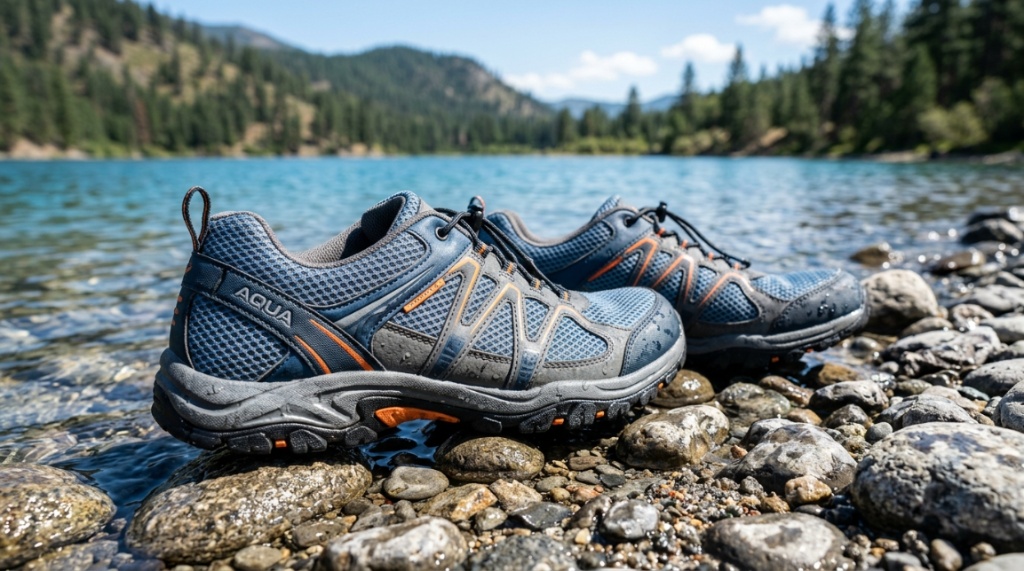
Care routine directly impacts drying performance. Regular maintenance keeps the materials from degrading, which preserves quick-dry capabilities. A simple rinse and shade-dry session adds years.
Freshwater Rinse After Every Use
Lake water contains minerals and microscopic organisms. Rinse your shoes in fresh water and gently squeeze out excess moisture. This prevents mineral buildup, which can clog drainage holes and cause stiffness.
Air Drying Best Practices
Never put water shoes in a dryer; heat melts adhesives and warps the foam. Instead, stuff them with newspaper or a dry cloth to absorb internal moisture. Leave them in a well-ventilated, shaded area. Direct sunlight degrades rubber and fades color.
Storage Tips to Prevent Mold
Store shoes in a breathable space, not a sealed plastic bag. Wet environments promote mold growth inside the interior. Use a shoe tree or keep them open. Add baking soda inside overnight to neutralize odor and soak up residual dampness.
What Is the Price Range for High-Quality Lake Shoes?
You can expect to pay between $30 and $70 for a pair of reliable lake-specific swim shoes. Premium models with features like anatomical footbeds, top-tier grip, and reinforced toes cost $50 to $80. Budget options under $20 generally lack proper support and durability for rocky lakes.
Entry-Level (Under $30)
Suitable for occasional use on sandy or gentle rocky terrain. Often lack aggressive treads and arch support. They dry quickly but may sacrifice underfoot protection. They are best for toddlers or short durations.
Mid-Range ($30 – $60): The Sweet Spot
Most recreational lakegoers find optimal value here. They include 4mm+ soles, excellent drainage, and superior traction. This price range provides the best balance of comfort and longevity without breaking the bank.
High-End ($60+): For Rugged Terrain
Built for expedition paddlers and rugged shoreline hiking. Features like Vibram outsoles, antimicrobial liners, and high-tensile mesh. They offer the most robust protection and will last several seasons.
Frequently Asked Questions
How long does it take for quick-dry swim shoes to dry?
Under normal outdoor conditions (sunny, 70°F), they typically dry within 20 to 30 minutes after you exit the water. In humid or cold conditions, it may take up to an hour.
Can I wear quick-dry swim shoes with socks?
Yes, but we recommend thin, synthetic or merino wool socks. Avoid cotton socks, which absorb water and defeat the purpose of quick-dry footwear. Socks are useful for hiking to the lake but should ideally be removed for swimming.
Are quick-dry swim shoes good for snorkeling?
Yes, but for actual swimming, you might prefer a lighter “reef shoe” style. Quick-dry shoes protect the bottom of your feet from coral or rocky lake floors. However, they can create drag while swimming laps.
What is the best way to wash quick-dry swim shoes?
Wash them in cold water with a mild detergent. Use a brush to remove dirt from the sole. Never use bleach or softeners. Air dry only, away from direct heat.
Can I use quick-dry swim shoes for running on a track?
No. These shoes lack the cushioning and lateral support for running. They are intended for walking, wading, and water sports, not high-impact running.
Do swim shoes protect against sea urchins or stingrays?
In saltwater, they protect against small punctures from sea urchins if the sole is thick enough (4mm+). However, they are not stingray-proof. Always stomp your feet in ray-prone areas.
Are there quick-dry swim shoes that are eco-friendly?
Yes, many brands now use recycled plastics from fishing nets and eco-friendly EVA. Look for certifications like B Corp or materials like “Bloom” algae foam for a sustainable option.
Conclusion
Choosing the right quick-dry swim shoes for lakes comes down to understanding materials, fit, and your specific environment. Remember to prioritize aggressive traction, high drainage, and a snug fit to avoid blisters. With the right pair, you can stride confidently into any lake, whether it’s a rocky alpine lake in Colorado or a sandy-bottomed reservoir. Don’t overlook the sole thickness for rocky terrain, and always consider the fit for your toes and arches. We’ve covered the key factors, so now it’s your turn to apply these insights. Look at your own shoreline habits, pick the pair that suits your landscape, and ensure they are rinsed and dried after each adventure. Protect your feet, and you’ll free your mind to enjoy the lake fully.