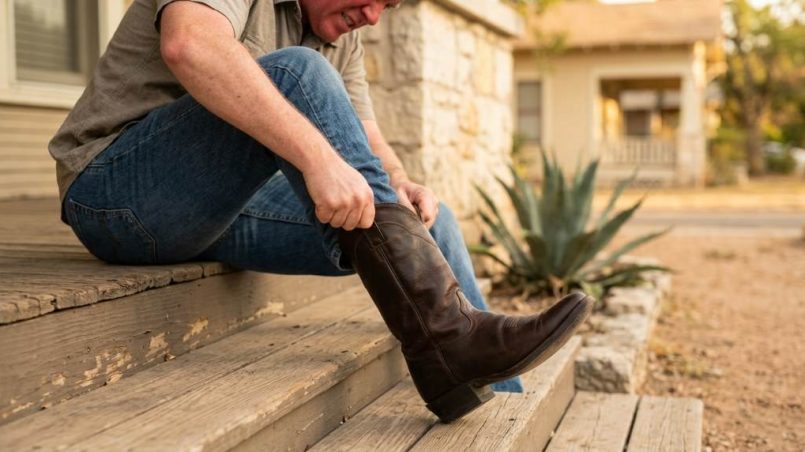
Tight boots can quickly turn an enjoyable day into an uncomfortable experience. Studies suggest that nearly 70% of people wear shoes that do not fit correctly, while foot discomfort affects millions every year. If your boots feel too snug, you can often improve the fit without causing permanent damage. Many people also try a DIY shoe stretcher for tight boots before considering replacement. Fortunately, several safe methods can help protect your boots while improving comfort.
Understand Why Boots Feel Tight
Boots may feel tight because of thick socks, natural leather stiffness, or slight sizing differences. However, moisture and foot swelling can also reduce available space during daily wear.
Leather gradually adjusts to your foot shape with regular use. Meanwhile, synthetic materials usually require gentler stretching methods because they offer less flexibility. You can also discover helpful lifestyle comfort ideas through co ed sauna resources that discuss foot care and comfort habits.
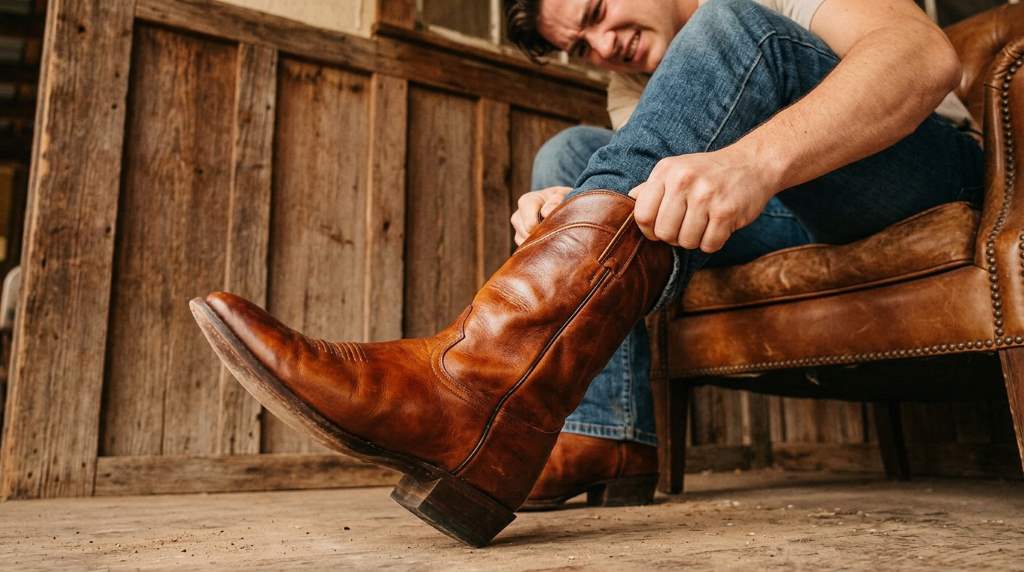
Check the Tight Areas First
Identify whether pressure appears around the toes, instep, heel, or ankle. This simple inspection helps you choose the safest stretching technique for each problem.
- Toe box feels cramped
- Instep creates pressure
- Heel rubs constantly
- Ankle opening feels restrictive
Safe Methods to Stretch Tight Boots
Start with the gentlest solution before trying stronger stretching techniques. This careful approach protects stitching, adhesives, and leather finishes from unnecessary stress.
Wear thick socks inside the boots for short indoor sessions. Then walk around your home for twenty minutes until the material begins adapting naturally.
Use a Boot Stretcher
A quality boot stretcher provides slow, controlled expansion without forcing the material. Therefore, it remains one of the safest tools for preserving expensive footwear.
Turn the stretcher slightly every several hours instead of making large adjustments. Gradual pressure produces better results while reducing the chance of damage.
Apply Leather Conditioner
Leather conditioner keeps natural fibres flexible during stretching. As a result, the material responds more evenly without becoming dry or cracked.
Always test the conditioner on a hidden section before full application. This precaution helps protect colour consistency across the entire boot.
Household Tricks That Minimise Damage
Many homeowners prefer simple methods using everyday items before purchasing specialty products. Nevertheless, every technique requires patience for the best outcome.
Lightly warm leather with a hair dryer for less than thirty seconds. Afterwards, wear the boots until they cool naturally for gentle expansion. If you enjoy practical home improvement projects, the electric gardening tips guide also highlights careful equipment handling principles that apply to household maintenance.
Use the Freezer Method Carefully
Fill sealed freezer bags with water before placing them inside the boots. Next, freeze them overnight so expanding ice gently stretches the material.
Never pour water directly into leather boots because excess moisture may cause lasting damage. Instead, keep the bags tightly sealed throughout the process.
Avoid Common Stretching Mistakes
Some methods create permanent damage despite promising quick results. Therefore, avoid excessive heat, soaking, or aggressive pulling.
- Never bake boots in an oven
- Avoid boiling water treatments
- Do not over tighten stretchers
- Skip harsh chemical softeners
Know When Professional Help Is Better
Premium boots deserve careful treatment when home methods fail. Professional cobblers use specialised equipment that stretches targeted areas without harming construction.
Professional stretching works especially well for expensive leather boots or custom footwear. Additionally, experts often correct pressure points while preserving the original appearance. You may also appreciate product comfort advice from improve comfort bike pedals because proper support matters during active lifestyles.
Signs You Should Stop Stretching
Visible cracking, separating glue, or broken stitching indicates excessive stress. Consequently, discontinue stretching immediately to prevent permanent damage.
If severe discomfort continues after several careful attempts, the size may simply be incorrect. Choosing the correct size often delivers better long term comfort than repeated stretching.
Prevent Tight Boots in the Future
Proper maintenance keeps boots comfortable throughout their lifespan. Regular care also reduces the need for repeated stretching treatments.
- Use cedar boot trees after wearing
- Condition leather every few months
- Store boots in dry conditions
- Rotate footwear during busy weeks
- Wear suitable socks for the season
Measure both feet before buying new boots because foot size changes gradually over time. Furthermore, shop later during the day when feet naturally reach their largest size.
Final Thoughts
Learning how to fix tight boots safely protects both your comfort and your investment. Gentle stretching, consistent care, and patience usually produce the best long term results.
Try the safest method that matches your boot material before using stronger techniques. If the problem continues, consult a professional cobbler and enjoy comfortable boots for many more years.
Frequently Asked Questions
Can tight leather boots stretch naturally?
Yes, regular wear gradually allows quality leather boots to adapt to your foot shape.
How long does a boot stretcher need to work?
Most boot stretchers produce noticeable results after twenty four to forty eight hours.
Can heat damage leather boots?
Yes, excessive heat can dry leather, weaken adhesives, and create permanent cracks.
Should I stretch synthetic boots?
Yes, but use gentle methods because synthetic materials stretch less than genuine leather.
When should I replace tight boots?
Replace them when safe stretching no longer improves comfort or causes visible damage.