
You’ve just checked into a budget-friendly New York City hotel, only to be handed a pillow that feels like a deflated balloon wrapped in a towel. We’ve all been there. The search for a decent night’s sleep in the city that never sleeps is a real struggle, especially when you’re trying to keep travel costs down. The good news? You don’t have to spend a fortune to recreate that plush, cloud-like hotel pillow experience at home. This guide will show you exactly how to find affordable hotel pillows NYC travelers and locals alike can rely on, without compromising on quality or your sleep posture.
From understanding the secret behind those famously fluffy hotel pillows to knowing where to shop for high-quality bargains in the five boroughs, we’ll cover practical strategies that work in 2026. Whether you’re a tourist looking to bring home a souvenir or a resident on a mission to upgrade your sleep setup, this comprehensive guide will ensure you wake up refreshed, not broke.
What Makes a Hotel Pillow So Uniquely Comfortable?
Before you start shopping, it helps to understand the anatomy of a true hotel pillow. This knowledge will prevent you from overpaying for fancy marketing and help you focus on the features that actually matter for comfort and support.
The “Triple-Stuffed” Layering Secret
Most luxury hotels don’t use just one type of fill. They use a combination of three layers: a soft base of polyester fiber, a supportive core of down or down-alternative, and an outer gusset that adds loft. This “triple-stuffed” design provides the signature sink-in feel that still offers neck support. When shopping, look for pillows with a gusseted edge (a fabric strip that adds height) rather than flat, quilted ones.
Why Hotel Pillows Are Usually “Oversized”
Standard hotel pillows are typically 26×26 inches square, rather than the standard 20×26-inch rectangle. This oversize dimension isn’t random. It allows sleepers to fold, fluff, and shape the pillow to their specific sleep position. When looking for an affordable version, check the dimensions—a larger square pillow often feels more luxurious simply because it gives you more material to work with.
The Real Role of Thread Count and Fabric
Don’t be fooled by a high thread count alone. Hotels use a cotton sateen weave with a thread count around 300-400 because it provides a crisp, cool surface that doesn’t trap heat. A cheaper pillow can still feel expensive if you pair it with a quality pillow protector and a soft, breathable cover. Focus on the shell fabric’s feel, not just the numbers on the tag, If you struggle with nighttime breathing or acid reflux while traveling, using a Breathing with a Sleep Apnea Wedge Pillow can drastically improve your rest and comfort.
Why Are Brand-Name “Hotel” Pillows So Overpriced in NYC?
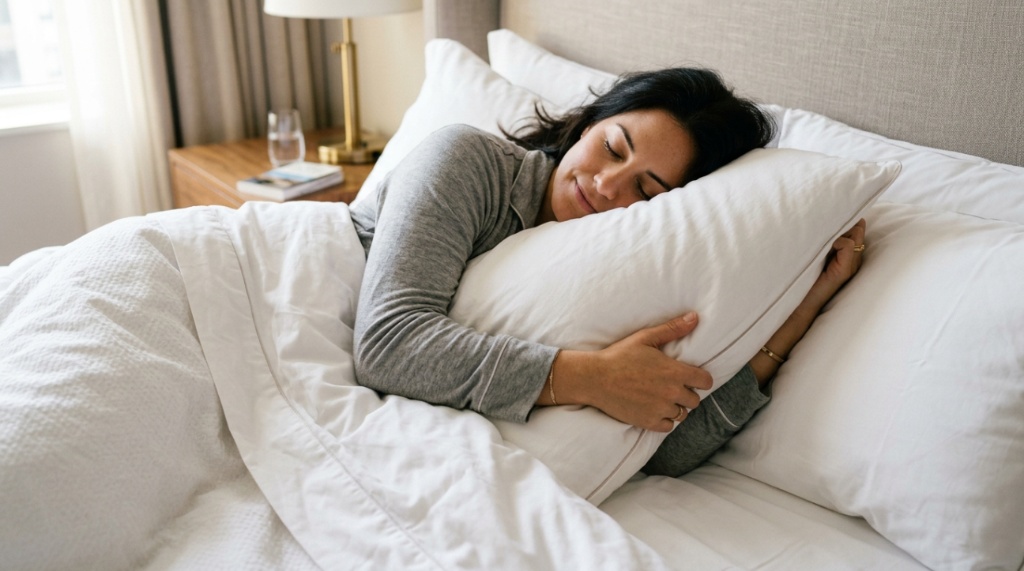
Walking into a department store in Manhattan and seeing a “Hotel Collection” pillow for $150 or more is a common shock. But that price tag often has little to do with the materials and everything to do with branding, licensing, and high retail overhead costs.
The Brand Licensing Trap
Many brands pay hefty fees to use a famous hotel name on their products. That licensing cost is passed directly to you, the consumer. You’re paying for the logo, not necessarily a superior product. In 2026, many small manufacturers produce pillows that are virtually identical to those expensive hotel brands but sell them under generic names for a fraction of the price.
Retail Markup vs. Wholesale Value
Brick-and-mortar stores in NYC have high rent, wages, and utility costs. To cover these expenses, they apply a 50-70% markup on bedding. The same pillow that costs $80 in a SoHo boutique might cost $25 at a wholesale bedding store in the Garment District or online directly from a manufacturer. Knowing this, you can skip the fancy shopping streets and head straight to the source.
Where Your Money Actually Goes
Break down the cost of a $100 hotel pillow: about $15 goes to materials, $10 to manufacturing, $20 to shipping and logistics, $15 to marketing, and $40 to store profit and overhead. By buying from a direct-to-consumer brand or a discount retailer, you eliminate the last three cost layers, getting a better pillow for $30.
What Is the Best Fill Material for Budget Hotel Pillows?
Choosing the right fill is critical. It determines the pillow’s feel, longevity, and price. There isn’t a one-size-fits-all answer, but understanding the options will help you win the pillow hunt.
Down Alternative: The Smartest Budget Choice
For most people seeking affordable hotel pillows NYC, a high-quality down alternative is the winner. These are made from micro-denier polyester fibers that mimic the softness of real down but are hypoallergenic and much easier to wash. Look for “hollow” or “siliconized” fiber fill, which retains its shape better than standard polyester and doesn’t clump after a few weeks of use.
Real Down: Worth the Splurge or Not?
Real down offers unrivaled comfort, but it’s expensive and often requires special cleaning. If you find a cheap “down” pillow, be wary—it might contain feather quills that poke you. For a budget-friendly hotel feel, skip real down unless you find a certified ethical option that fits your budget. The maintenance cost and the risk of allergens make down a risky bargain in the city.
Memory Foam: When to Say No
While memory foam is excellent for pressure relief, most hotels *don’t* use it on their standard beds. The classic hotel pillow is fluffy and malleable, not a solid block. If you like contouring support, consider a shredded memory foam pillow, which acts more like a regular pillow but offers adjustable loft. However, for a classic hotel feel, stick to fiber or feather blends.
How Do You Compare Pillow Prices Without Getting Ripped Off?
Price comparison in NYC can be overwhelming due to the sheer number of options. However, a simple formula can help you determine if you are getting a good deal on a pillow.
The Cost-Per-Year Formula
Don’t look at the upfront cost alone. A $20 pillow that flattens in 3 months costs you $6.67 per month. A $40 pillow that lasts 3 years costs you $1.11 per month. Always calculate the cost per year of use. Higher quality materials and stitching increase longevity, making a slightly higher upfront cost worthwhile.
Reading the “Luxury” Fine Print
Look for specific weight data on the packaging. A standard king pillow should weigh between 2.5 and 3.5 pounds. If a “luxury” pillow weighs less than 1.5 pounds, it is underfilled and will flatten quickly, regardless of how good the fabric feels. Use the weight as your primary indicator of value, not the marketing jargon.
Hidden Cost: Pillow Protectors
Budget for a waterproof, breathable pillow protector (around $10). This extends the life of your pillow by preventing sweat and oils from reaching the core. If you skip the protector, your pillow will accumulate dust mites and odors, shortening its lifespan and forcing you to buy new ones sooner.
Where Can You Buy Affordable Hotel Pillows in NYC?
While online shopping is convenient, seeing and touching the pillow is the best way to avoid disappointment. NYC offers several hidden gems for discounted bedding that most tourists (and even many locals) overlook.
Wholesale Districts and Discount Retailers
Areas like the Bowery in Lower Manhattan (which used to be the restaurant supply district) and certain parts of the Garment District have showrooms that sell to the public. Stores like HomeGoods, TJ Maxx, and Marshalls in the outer boroughs or even Midtown often carry high-end hotel brands at 50-70% off. You have to dig through the shelves, but the payoff is real. Check the display tags for the manufacturer’s suggested retail price (MSRP) to understand your savings.
The Hidden Bargains in Chinatown and the Lower East Side
Do not underestimate the small, family-run bedding shops in Chinatown. These stores source directly from factories in Taiwan and China. You can often negotiate prices, especially if you buy two pillowcases and a pillow together. The quality varies, so ask to feel the inner fabric and check the zipper quality of the cover.
Online Marketplaces with NYC Local Warehouses
Many online-only sellers operate warehouses in Brooklyn or New Jersey. Platforms like Amazon and Wayfair often offer same-day delivery in NYC. You can explore their “warehouse deals” sections for open-box or slightly damaged packaging discounts. If you’re searching specifically for affordable hotel pillows NYC, checking local online marketplaces often reveals exclusive deals that physical stores cannot match.
How to Test a Pillow Like a Hotel Expert in a Store
You might feel awkward lying down on a pillow in a store, but doing the “test” correctly ensures you don’t waste money. Hotels use a precise method to choose their pillows, and you can too.
The 5-Second Neck Alignment Test
Place the pillow under your head and lie flat on your back. Have a friend check if your ear, shoulder, and hip are in a straight line. If your chin is tilted up, the pillow is too thick. If your chin is tucked down, it’s too thin. For side sleepers, the pillow should fill the space between your ear and outer shoulder without pushing your head up.
The Squeeze Test for Loft Retention
Grab the pillow in the center and squeeze it for five seconds. When you release it, it should spring back to its original shape within two seconds. If it stays dented or is slow to rebound, the fill has poor resiliency. This is a critical test for down-alternative pillows, which tend to lose bounce faster than foam.
Listening for the “Crinkle”
Some cheap pillow covers have a plastic-like coating that makes a crinkling sound when you move. This is a sign of low-quality fabric. A good pillow should be silent. Bring the pillow to your ear and shake it. If you hear rustling, put it back—that noise will keep you up all night.
Can You Negotiate Prices or Get Discounts on Pillows?
In many NYC stores, especially the small boutiques, the price tag isn’t final. Negotiating is more acceptable than you might think, especially when buying multiple items.
Tips for Successful Haggling
Ask for a “cash discount,” which saves the store credit card processing fees. Just say, “I’ll buy these two pillows right now if you can do $45 total. I have cash.” This often works in independently owned stores that have tighter margins but value fast turnover. Be polite and ready to walk away; sometimes the merchant will call you back as you head for the door.
Timing Your Purchase with Major Sales Cycles
Retailers in NYC heavily discount bedding during President’s Day (February), Memorial Day (May), and Labor Day (September). However, the *hidden* sale is the “White Sale” in January. This is when department stores clear out gift returns and overstock from the holiday season. You can find premium brands at 70% off if you wait until the third week of January.
Using Price-Matching Policies
Large stores like Target and Bed Bath & Beyond (if still in business) often match online prices. Pull up the Amazon listing on your phone and show it to the cashier. Many will match the price to secure your business, especially on high-ticket items like a pair of pillows. This is simpler than waiting for shipping and saves you the delivery fee.
How to Extend the Life of Your Budget Hotel Pillows
Once you find the perfect pillow at a great price, you need to protect it. A good pillow should last 2-3 years with proper care, making it an even better value.
The Proper Washing Routine
Most down-alternative pillows can be machine washed. Use cold water, a gentle cycle, and a tiny amount of mild detergent. *Never* use fabric softener, as it coats the fibers and destroys their lofty feel. Run an extra rinse cycle to ensure all soap is removed. To dry, use a low heat setting and toss in two clean tennis balls. This fluffs the pillow and prevents the fill from clumping.
Why Daily Fluffing Matters
Just shaking out your pillow for 10 seconds every morning will redistribute the fill and help it maintain its shape. This simple habit prevents the fibers from matting down over time. Ask any hotel housekeeper—they fluff pillows every single day to keep them inviting.
Rotation and Aeration
Rotate your pillows on the bed weekly. If you have two pillows, switch their sides. This distributes the wear and prevents one side from flattening due to your sleeping position. Every few weeks, hang the pillows outside or in a sunny window for an hour to air them out; the UV light kills dust mites and reduces odors without using chemical cleaners.
A Quick Comparison of Pillow Types and Costs
To make the decision easier, here is a quick breakdown of what you can expect to pay for different materials in NYC in 2026, and what you should look for in each category.
| Fill Type | Avg. Budget Price (King) | Hotel Feel | Lifespan | Best For |
|---|---|---|---|---|
| Polyester Fiber Fill | $15 – $30 | Soft but Flimsy | 6-12 months | Stomach sleepers, guest rooms |
| Siliconized Down Alt. | $30 – $60 | Plush & Supportive | 2-3 years | Back & side sleepers |
| Gusseted Microfiber | $40 – $80 | Luxury & Tall | 3-4 years | Combination sleepers |
| Shredded Memory Foam | $35 – $70 | Contoured Support | 3-5 years | Neck pain sufferers |
Frequently Asked Questions
Is it cheaper to buy pillows online or in a physical store in NYC?
Online stores usually have lower overhead, making them cheaper. However, physical discount stores in NYC can offer liquidation deals that beat online prices. Always check online first for pricing, but visit a local wholesale store to test the feel before purchasing.
What is the best affordable hotel pillow for side sleepers?
Side sleepers need a high loft to fill the gap between the shoulder and ear. A gusseted microfiber pillow with extra fill is ideal. Look for one that is specifically labeled “high loft” or “for side sleepers” and check the weight to ensure it isn’t underfilled.
Can I ask a hotel where they buy their pillows?
Yes, you can. Many hotel front desks will tell you the manufacturer of their pillows, but they often use proprietary custom blends. You can look at the pillow tag (before you sleep on it) to find the brand name and then search for that brand’s generic retail version.
Why do my new budget pillows smell bad?
A chemical or “factory” smell is normal for synthetic pillows. This is off-gassing from the packaging. Wash the pillow immediately if possible, or air it out on a balcony for 24 hours. The smell should dissipate completely within 3 days.
Are hotel pillows always hypoallergenic?
No. While many hotels have switched to hypoallergenic down-alternatives for liability reasons, some high-end properties still use real down, which can trigger allergies. Always check a hotel’s pillow menu or ask for a hypoallergenic option if needed.
How often should I replace my affordable hotel pillows?
Plan to replace fiber-filled pillows every 12 to 18 months. If you fold the pillow in half and it doesn’t spring back, it’s time to replace it. Keeping up with regular washing and fluffing can stretch this to the 2-year mark.
Conclusion
Finding a truly affordable hotel-quality pillow in NYC doesn’t require a secret password or an insider connection. It boils down to ignoring the branding hype, understanding what makes a pillow comfortable, and knowing which materials offer the best longevity for the price. Start with a down-alternative fill, look for a gusseted design, and always test the weight before buying. Traveling outside of tourist zones and into wholesale districts or utilizing price-matching options will dramatically cut your costs.
Your sleep is an investment, and a $40 pillow that lasts two years is one of the smartest, most budget-friendly upgrades you can make. So, take the tips from this guide, hit the stores with confidence (or browse online like a pro), and build that perfect hotel-style bed at home. Say goodbye to neck aches and hello to restful, affordable sleep. Enjoy the hunt, and sleep well—you’ve earned it.