Choosing gifts for children has become increasingly complicated in our plastic-saturated world. Walk into any toy store, and you’ll find aisle after aisle of brightly colored items wrapped in layers of packaging, most of which will eventually end up in landfills. However, giving meaningful presents doesn’t require contributing to environmental problems.
Parents, grandparents, and friends are becoming more conscious about the impact their purchasing decisions have on the planet. Fortunately, finding thoughtful presents that bring joy without harming the environment is entirely possible. This guide will help you navigate the world of sustainable gift-giving and discover options that children will love while protecting their future.
Understanding Why Plastic Matters
Before exploring alternatives, it’s helpful to understand why reducing plastic consumption matters so much. Conventional toys often contain multiple types of plastic that cannot be recycled together. When these items break or children outgrow them, they typically go straight to the trash.
Plastic takes hundreds of years to decompose. During that time, it breaks into smaller pieces called microplastics that contaminate soil, water, and even the air we breathe. These particles have been found in human blood, raising serious health concerns for current and future generations.
Additionally, manufacturing plastic requires petroleum, a non-renewable resource. The production process releases greenhouse gases that contribute to climate change. By choosing alternatives, you’re reducing demand for these harmful manufacturing practices.
Children are particularly vulnerable to chemicals found in some plastics. Substances like phthalates and BPA can disrupt hormone development. While many manufacturers have removed these specific chemicals, concerns remain about replacement compounds that haven’t been thoroughly tested.
Natural Materials That Make Wonderful Gifts
Nature provides abundant materials for creating beautiful, durable items that children adore. Wood stands out as an excellent choice for many reasons. It’s renewable, biodegradable, and incredibly versatile. Wooden toys have been cherished for generations, often becoming family heirlooms passed down through years.
Look for items made from sustainably harvested wood certified by organizations like the Forest Stewardship Council. These certifications ensure forests are managed responsibly. Avoid tropical hardwoods unless they’re clearly marked as sustainably sourced, as their harvest often contributes to deforestation.
Organic cotton and wool offer wonderful options for soft items. Unlike conventional cotton, organic varieties are grown without harmful pesticides. Wool is naturally flame-resistant, antimicrobial, and incredibly durable. Stuffed animals, dolls, and dress-up clothes made from these materials are safe, cuddly, and environmentally friendly.
Natural rubber comes from rubber trees and biodegrades completely. It makes excellent balls, bath toys, and teething items for babies. Unlike synthetic rubber, natural versions don’t contain petroleum-based chemicals.
Bamboo grows incredibly fast without requiring pesticides or much water. It makes sturdy building blocks, musical instruments, and art supplies. The material is lightweight yet strong, perfect for items that need to withstand enthusiastic play.
Cork is harvested from cork oak trees without harming them. The trees continue growing and producing more cork throughout their lifespans. This renewable material works beautifully for craft projects, building materials, and educational toys.
Experience-Based Presents That Create Lasting Memories
Sometimes the best gifts don’t come in packages at all. Experiences create memories that last far longer than most physical items. Children often remember special outings and activities more vividly than toys that quickly lose their appeal.
Consider memberships to local museums, zoos, aquariums, or science centers. These gifts provide entertainment throughout the year while supporting educational institutions. Many museums offer hands-on exhibits where children learn through play, making visits both fun and enriching.
Classes and lessons make excellent presents for children with specific interests. Art classes, music lessons, dance instruction, martial arts, or sports programs all provide valuable skills while encouraging social interaction. These activities build confidence and help children discover their passions.
Tickets to shows, concerts, or sporting events create anticipation and excitement. The experience of attending a live performance or game often becomes a cherished memory. Choose events that align with the child’s interests for maximum impact.
Adventure experiences like rock climbing, horseback riding, or day camps expose children to new activities. These gifts encourage physical activity and time outdoors, both of which benefit overall health and wellbeing.
Subscription boxes focused on education or creativity deliver ongoing excitement. Options include science experiment kits, art supplies, book clubs, or cooking projects. These subscriptions typically use minimal packaging and focus on activities rather than disposable items.
Books and Art Supplies for Creative Minds
Books remain timeless gifts that spark imagination and build literacy skills. Choose titles printed on recycled paper with soy-based inks when possible. Many publishers now prioritize sustainable practices, making it easier to find environmentally conscious options.
Picture books for younger children often become beloved treasures read repeatedly. Chapter books challenge older readers while transporting them to different worlds. Non-fiction books about nature, science, or history satisfy curious minds eager to learn about their surroundings.
Consider books from local independent publishers or those featuring diverse characters and sustainable living themes. Stories that teach environmental awareness plant seeds for future earth stewardship.
Art supplies encourage creativity while providing hours of entertainment. Look for options made from natural materials. Beeswax crayons, plant-based paints, and recycled paper sketchbooks all work beautifully for young artists.
Natural clay and playdough made from flour, salt, and water offer tactile experiences without synthetic additives. You can even make homemade versions as part of the gift, including the recipe for future batches.
Quality colored pencils, watercolor sets, and paintbrushes become tools children use for years. Investing in durable supplies reduces waste compared to cheaper versions that break quickly.
Building and Construction Options
Children love building and creating structures. Fortunately, numerous sustainable options exist for construction-minded kids. Wooden blocks in various shapes and sizes inspire open-ended play that evolves as children grow.
Unlike plastic building sets with specific purposes, simple wooden blocks encourage imagination. Children create castles, cities, animals, or anything they envision. This type of play develops spatial reasoning, problem-solving skills, and creativity.
Cardboard construction sets provide surprising durability and versatility. Large pieces connect to form playhouses, rockets, or whatever children dream up. When items eventually wear out, they can be recycled completely.
Natural building materials like stones, sticks, and pinecones collected during nature walks cost nothing and inspire outdoor creativity. Provide a collection basket and watch children construct miniature worlds using found materials.
Magnetic tiles made from wood with embedded magnets combine traditional building with modern innovation. These items create three-dimensional structures while teaching basic physics concepts through play.
Outdoor Play Equipment and Nature Exploration
Encouraging outdoor time benefits children’s physical health, mental wellbeing, and connection to nature. Gifts that facilitate outside play serve multiple purposes while typically avoiding plastic components.
Garden tools sized for small hands help children participate in growing food or flowers. This hands-on experience teaches responsibility, patience, and where food comes from. Include seeds for plants that grow quickly to maintain interest.
Exploration kits with magnifying glasses, collection jars, and field guides turn backyard adventures into scientific expeditions. Children learn to observe closely, ask questions, and appreciate biodiversity around them.
Quality jump ropes, balls made from natural rubber, and classic outdoor games provide active fun without batteries or screens. These simple items encourage physical activity and social play with friends.
Camping gear like sleeping bags, flashlights with hand cranks, and canvas tents introduce children to outdoor adventures. Even backyard camping creates memorable experiences while fostering appreciation for nature.
Bird feeders and houses made from wood invite wildlife observation. Children learn about different species while contributing to local ecosystems. This gift keeps giving throughout seasons as various birds visit.
Secondhand and Upcycled Treasures
Buying used items dramatically reduces environmental impact while often saving money. Many excellent options exist for finding quality secondhand presents that look and function like new.
Consignment shops and thrift stores often have extensive children’s sections. Books, games, puzzles, and wooden toys frequently appear in excellent condition. The thrill of treasure hunting adds fun to the shopping process.
Online marketplaces and local buy-nothing groups connect people giving away or selling items their children have outgrown. This circular economy keeps perfectly good items in use instead of landfills.
Vintage toys made before the plastic explosion often feature superior craftsmanship and durability. Tin toys, wooden trains, and classic dolls have survived decades and can last many more with proper care.
Upcycled items transform discarded materials into new treasures. Artists create amazing toys, games, and decorations from reclaimed wood, fabric scraps, and other rescued materials. These one-of-a-kind pieces often become conversation starters.
Remember that giving secondhand items doesn’t mean settling for less. Many pre-owned toys are superior quality compared to new disposable versions. A gentle cleaning makes them gift-ready.
Supporting Small Makers and Local Artisans
Small businesses and individual craftspeople often prioritize quality and sustainability over mass production. Supporting these makers strengthens local economies while reducing the environmental cost of shipping items across continents.
Search for local craft fairs, farmers markets, and artisan shops in your community. Many makers specialize in handcrafted items specifically designed for children. These unique pieces have character and story behind them.
Online platforms connect consumers with independent makers worldwide. However, choosing local artisans reduces shipping distances and carbon footprints. Many offer custom options to create truly personalized presents.
Handmade items typically cost more than mass-produced alternatives. However, superior quality means they last longer and often become treasured keepsakes. The price reflects fair wages for skilled work and sustainable materials.
When buying handmade, ask makers about their materials and practices. Most artisans passionate about their work happily discuss their sustainable choices and production methods.
Educational Items That Grow With Children
Presents that teach while entertaining provide lasting value. Many educational options use sustainable materials and promote learning through hands-on exploration rather than batteries and screens.
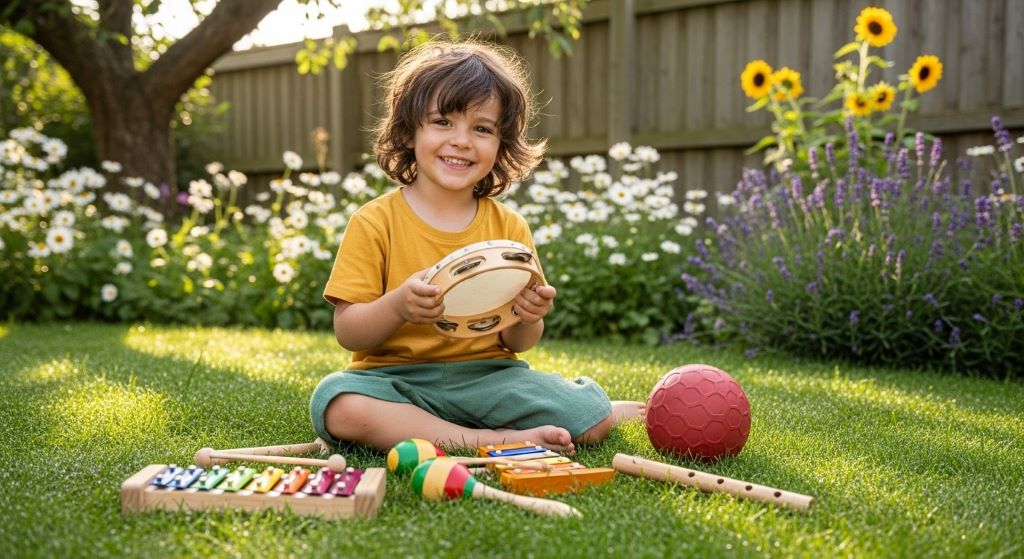
Musical instruments made from wood expose children to rhythm, melody, and creative expression. Simple options like recorders, ukuleles, or percussion instruments are accessible to beginners while teaching valuable skills.
Science kits focused on nature, astronomy, or simple chemistry use minimal packaging and emphasize reusable components. These encourage curiosity about the natural world and scientific thinking.
Board games and puzzles bring families together while developing strategy, cooperation, and problem-solving abilities. Choose options made from recycled cardboard and paper rather than plastic components.
Building sets that teach engineering concepts come in sustainable materials. Wooden marble runs, gear sets, and simple machines demonstrate physics principles through play.
Globes, maps, and atlases printed on quality paper inspire geographic curiosity. These reference materials remain useful throughout childhood as understanding deepens.
Making Your Own Gifts
Handmade presents carry special meaning while allowing complete control over materials used. Even simple crafts become treasured items when made with love and intention.
Knit or crochet soft toys, blankets, or clothing using organic yarn. These cozy items provide comfort while showcasing your effort and care. Include care instructions so items last for years.
Sew dolls, stuffed animals, or dress-up clothes from organic fabrics and recycled materials. Personalize items with the child’s favorite colors or characters. These unique creations become beloved companions.
Build wooden toys like cars, blocks, or puzzles if you have woodworking skills. Sand pieces smooth and finish with natural oils or beeswax rather than synthetic varnishes.
Create art supplies like homemade playdough, finger paints from natural ingredients, or sidewalk chalk. Package them in reusable containers with recipes so families can make more together.
Bake treats and package them in cloth bags or jars the family can reuse. Include the recipe so the child can help make them again, creating an experience beyond the initial gift.
Thoughtful Presentation Without Excess Packaging
How you wrap and present gifts matters almost as much as the items themselves. Traditional wrapping paper often contains plastic coatings that prevent recycling. Additionally, most wrapping gets used once then discarded.
Fabric wrapping using the Japanese furoshiki technique creates beautiful presentations using reusable cloth. The wrapping itself becomes part of the gift. Scarves, tea towels, or fabric scraps all work perfectly.
Brown kraft paper decorated with stamps, drawings, or natural elements looks charming and recycles easily. Let children help decorate for an extra personal touch.
Reusable gift bags made from cloth eliminate waste entirely. Recipients return bags for future use, creating a sustainable cycle. Make or buy several in different sizes for various occasions.
Newspaper, especially comics sections, makes quirky wrapping that’s completely recyclable. This free option adds nostalgic charm while reducing waste.
Skip ribbon and bows made from plastic. Instead, use natural twine, fabric scraps, or dried flowers for decoration. These biodegradable options look beautiful without environmental guilt.
Teaching Children About Sustainable Choices
Involving children in sustainable gift-giving teaches valuable lessons about consumption and environmental responsibility. These early lessons shape lifelong attitudes and behaviors.
Explain your choices when giving eco-friendly presents. Share why you selected specific items and how they help protect the planet. Keep explanations age-appropriate and positive rather than preachy.
Encourage children to think critically about what they truly want versus what advertising tells them they need. Discuss quality over quantity and choosing items that will last.
Include children in making gifts for others. This hands-on experience teaches that value comes from thought and effort, not just money spent.
Visit sustainable shops or craft fairs together. Let children see alternatives to typical chain stores and meet makers who craft items by hand.
Create family traditions around experiences rather than material gifts. These memories become more meaningful than possessions while modeling sustainable values.
Conclusion
Choosing green gifts for children without relying on plastic-free toys doesn’t mean sacrificing fun or quality. Natural materials, experiences, handmade items, and thoughtful secondhand finds all create joy while protecting the environment children will inherit.
The shift toward sustainable gift-giving requires some adjustment in thinking. However, once you discover the abundance of beautiful, meaningful alternatives available, the choice becomes easier. Children appreciate presents chosen with care, regardless of whether they came from big-box stores.
Remember that perfection isn’t the goal. Every sustainable choice makes a difference, even if you can’t eliminate all plastic immediately. Small steps add up to significant impact when many people participate.
By selecting environmentally conscious presents, you’re giving children more than just items to enjoy. You’re investing in their future by protecting the planet they’ll grow up on. You’re teaching them that their choices matter and that living sustainably can be joyful rather than restrictive.
The next time you need a gift for a child in your life, consider the options beyond plastic. You’ll discover that the most meaningful presents often come without environmental costs attached.
Frequently Asked Questions
Are eco-friendly gifts more expensive than regular toys?
Not necessarily. While some handmade or specialty items cost more upfront, many sustainable options are quite affordable. Secondhand items, homemade gifts, and experience-based presents often cost less than new plastic toys. Additionally, quality sustainable items typically last much longer, making them more economical over time. Books from libraries, nature exploration supplies, and outdoor play equipment provide excellent value.
Where can I find sustainable toys locally?
Start with independent toy stores that often carry wooden and natural fiber items. Farmers markets and craft fairs feature local artisans making handmade goods. Consignment shops and thrift stores offer secondhand options. Libraries sometimes host toy swaps or offer borrowing programs. Online searches for “sustainable toy stores near me” or “eco-friendly children’s shops” can reveal local options you didn’t know existed.
Will children actually enjoy gifts without plastic and batteries?
Absolutely. Children are remarkably adaptable and often prefer simple, open-ended items that encourage imagination over electronic toys with limited functions. Classic wooden blocks, art supplies, books, and outdoor equipment provide endless entertainment. Research shows that children play longer and more creatively with simple toys compared to complex electronic versions. The key is choosing age-appropriate items that match the child’s interests.
How do I convince family members to choose sustainable gifts?
Start conversations early and frame requests positively. Create a wish list featuring specific sustainable items you’d like the child to receive. Explain your reasons without being judgmental about past gifts. Share articles or information about benefits of natural toys. Suggest experience gifts as alternatives. Some families establish “four gift rules” limiting quantity, making each present more meaningful. Remember that change takes time, and even small shifts make a difference.
What should I do with plastic toys we already own?
Keep using items in good condition rather than discarding them prematurely, as manufacturing new replacements wastes resources. When children outgrow toys, donate them to schools, daycares, or families who can use them. Organize toy swaps with friends to refresh selections without buying new. Recycle broken items properly by checking local recycling programs for specialty plastics. Save some pieces for craft projects. Moving forward, simply avoid adding more plastic to your collection.
Related Topics:
Sensory-Friendly Gifts for Autism: Thoughtful Picks That Truly Make a Difference
How Much Should You Spend on a Kid’s Birthday Gift?