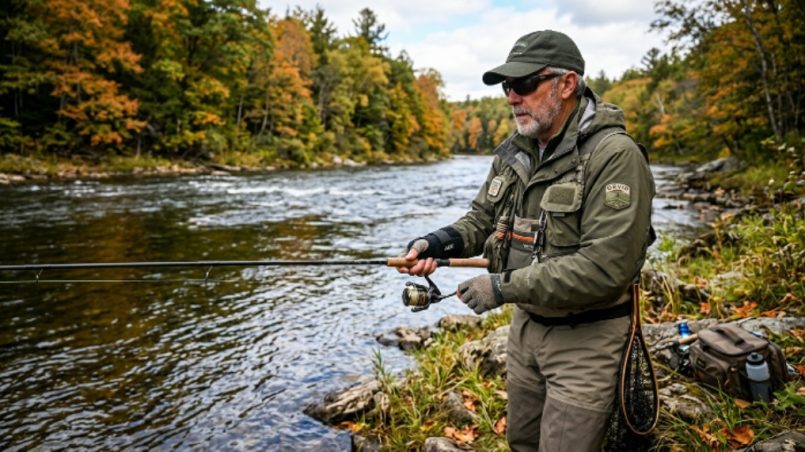
Fishing is one of the most relaxing hobbies in the world. However, it is also one of the most physically repetitive. Every cast, every reel, and every hook set puts stress on your wrist. Over time, that stress adds up. Tendonitis can creep in quietly, turning a peaceful day on the water into a painful experience. The right wrist brace can change everything. This guide helps you choose the best one for your needs.
Understanding Why Anglers Are Vulnerable to Wrist Pain
Most people do not think of fishing as a physically demanding activity. In reality, the wrist motion involved in casting and retrieving is highly repetitive. Doing it for hours at a time, session after session, places enormous strain on the tendons in your wrist and forearm.
Tendonitis is the inflammation of a tendon, usually caused by overuse. For anglers, the tendons most commonly affected run along the back of the wrist and into the thumb. The pain often starts as a mild ache after a long fishing trip. Without treatment, it can become a constant problem that affects your daily life.
Additionally, cold weather tightens the tendons and reduces blood flow to the hands. Fishing in early spring or late autumn makes the wrist even more susceptible to injury. Understanding this vulnerability is the first step toward protecting yourself.
What Tendonitis Feels Like for Fishermen
Recognizing tendonitis early makes treatment much easier. The symptoms are often subtle at first. Here is what to watch for:
- A dull ache along the top or side of the wrist after fishing
- Stiffness in the morning that eases as the day goes on
- Tenderness when pressing on the wrist or forearm
- Weakness when gripping a rod or turning a reel handle
- A slight swelling or warmth around the wrist joint
These symptoms overlap with other conditions, such as carpal tunnel fishing injuries, which affect the nerves rather than the tendons. However, tendonitis pain is usually felt on the outer wrist, while carpal tunnel discomfort tends to cause tingling and numbness in the fingers. Knowing the difference helps you choose the right type of support.
How a Wrist Brace Helps Tendonitis
A wrist brace does two important things. First, it limits the range of motion in the wrist. This reduces the stress placed on inflamed tendons during movement. Second, it provides gentle compression, which helps reduce swelling and improve circulation in the affected area.
For anglers, a brace allows you to keep fishing while your wrist heals. It is not a cure, but it is a powerful management tool. Think of it the way a runner uses a knee brace — it does not fix the underlying issue instantly, but it protects the joint and reduces pain so you can stay active.
Therefore, choosing the right brace is not a decision to rush. The wrong style or fit can do more harm than good by restricting the wrong movements or failing to support the right ones.
Types of Wrist Braces to Consider
Not all wrist braces are designed the same way. Each type serves a different purpose, and understanding them will help you make a smarter choice.
Rigid Splint Braces
These braces contain a metal or plastic splint that holds the wrist in a neutral position. They offer the most support and are ideal for moderate to severe tendonitis. However, they limit flexibility significantly, which can make casting difficult. Many anglers wear these at night or during rest periods to let the wrist recover.
Compression Sleeves
Compression sleeves are lightweight, stretchable bands that wrap around the wrist. They apply consistent pressure without restricting movement much. These are a popular choice for mild tendonitis because they can be worn comfortably while actively fishing. They also work well as part of a broader approach using wrist therapy tools alongside stretching and ice treatment.
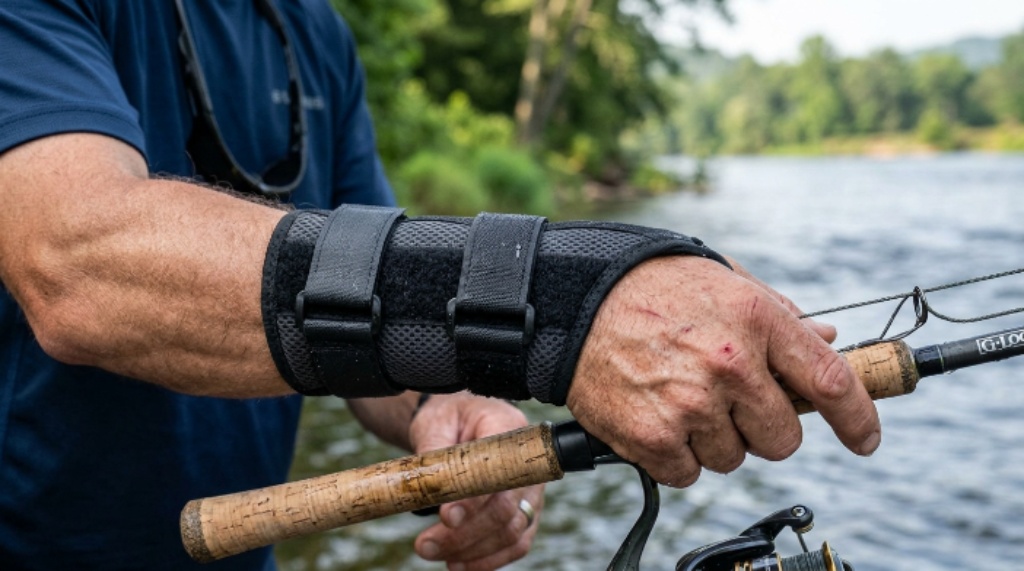
Adjustable Strap Braces
These sit between rigid splints and compression sleeves in terms of support. They feature adjustable straps that let you control the level of compression and stability. For anglers, this flexibility is very useful. You can loosen the brace slightly while casting and tighten it during rest. This adaptability makes them one of the most popular choices among fishing enthusiasts.
Thumb Spica Braces
If your tendonitis affects the base of the thumb — a condition common among fly fishers — a thumb spica brace may be the right choice. This style extends support up the thumb as well as the wrist, stabilizing the tendons that run through that area.
Key Features to Look for in an Angler’s Wrist Brace
When shopping for a wrist brace, keep these features in mind to ensure it performs well on the water.
Waterproof or Water-Resistant Materials
Fishing means your brace will get wet. Look for materials like neoprene or moisture-wicking fabrics that handle water well. Avoid braces made entirely of foam padding or cotton, as these absorb water and become heavy and uncomfortable quickly.
Breathability
A brace that traps heat and sweat will irritate your skin during long days outdoors. Mesh panels and perforated materials allow air to circulate, keeping your wrist comfortable even in warm weather.
Non-Slip Grip
Some braces slide down the wrist during active movement. Look for silicone grip strips on the inner lining. These keep the brace in position whether you are casting into the wind or fighting a strong fish.
Fit and Sizing
A brace that is too tight will cut off circulation. One that is too loose provides no real support. Always measure your wrist circumference before purchasing and compare it to the manufacturer’s sizing chart. Most quality braces come in multiple sizes.
Ease of Use with One Hand
This point matters more than most people realize. When you are out on a boat or standing in a stream, you often need to adjust your brace with one hand. Velcro straps are far more practical than laces or complicated buckle systems in these conditions.
Managing Repetitive Strain Injury Beyond the Brace
A wrist brace is one part of a larger recovery plan. Repetitive strain injury responds well to a combination of approaches. Here are the most effective steps to pair with your brace:
- Stretch your wrist and forearm before and after every fishing session
- Apply ice for fifteen minutes after fishing to reduce inflammation
- Take regular breaks during long sessions to rest the wrist
- Strengthen the forearm muscles through simple resistance band exercises
- Consider anti-inflammatory medication if your doctor recommends it
Additionally, pay attention to your technique. Many anglers develop wrist problems because of poor casting form. A small adjustment — like using your whole arm rather than snapping the wrist — can dramatically reduce strain over time. A fishing instructor or physical therapist can help you identify and correct these habits.
When to See a Doctor
Most mild cases of tendonitis improve with rest, compression, and time. However, some situations call for professional medical advice. See a doctor if:
- The pain does not improve after two to three weeks of using a brace
- You notice significant swelling or bruising
- You lose grip strength rapidly
- The pain wakes you up at night
A doctor may recommend physical therapy, corticosteroid injections, or in rare cases, a surgical consultation. Early intervention always leads to better outcomes, so do not delay.
Conclusion
Wrist tendonitis does not have to end your time on the water. With the right wrist brace and a sensible recovery plan, most anglers can continue to fish while managing their symptoms effectively. The key is choosing a brace that suits your specific type of tendonitis, fits well, and holds up to the demands of fishing in all conditions.
Start by identifying whether your pain is related to tendonitis, a carpal tunnel fishing issue, or another condition entirely. Then match the brace type to your needs — whether that means a rigid splint for rest days or an adjustable strap brace for active sessions. Combine your brace with good technique, regular stretching, and smart use of wrist therapy tools to support your recovery. Finally, do not ignore persistent pain. Seeking professional guidance early keeps a manageable problem from becoming a long-term setback.
Protect your wrists. The fish will still be there when you heal.
Frequently Asked Questions
- Can I wear a wrist brace while casting and reeling? Yes. Compression sleeves and adjustable strap braces are designed for active wear. They provide support without completely blocking movement. Rigid splint braces are better suited for rest and recovery rather than active fishing.
- How long should I wear a wrist brace each day? For mild tendonitis, wearing a brace during activity and for a few hours afterward is usually sufficient. For more severe cases, your doctor may recommend wearing a splint brace overnight as well. Avoid wearing any brace continuously for more than ten to twelve hours at a stretch unless directed by a medical professional.
- Is tendonitis the same as carpal tunnel syndrome? No. Tendonitis involves inflammation of the tendons, while carpal tunnel syndrome involves compression of the median nerve inside the wrist. Both conditions cause wrist pain, but they require slightly different types of support. A doctor can confirm which condition you have.
- How do I clean a wrist brace used in fishing? Most fabric braces can be hand-washed with mild soap and cold water. Rinse thoroughly and allow them to air dry completely before wearing again. Avoid putting them in a dryer, as heat can damage the elastic and structural components. Check the manufacturer’s instructions for specific guidance.
- At what point should I stop fishing to rest my wrist? If the pain is sharp, constant, or worsening during a session, stop immediately. A dull ache after fishing is manageable with rest and a brace. However, fishing through sharp pain risks turning a mild injury into a serious one. Listen to your body and take rest days seriously.
Related Topics:
Best Paracord Rope for Emergency Preparedness: TECEUM 5/32 Review
How to Prevent Fogging in Fishing Sunglasses During Humid Days