Picture this: you’re hosting a weekend gathering, the sun is setting, and you’re ready to serve up the perfect margarita. But as you stand in the liquor store aisle, surrounded by dozens of tequila bottles with unfamiliar names and varying price points, you realize you have no idea which one will create that restaurant-quality margarita you’re dreaming of. The truth is, the tequila you choose can make or break your cocktail experience, transforming a simple drink into an unforgettable moment.
Selecting the right tequila for margaritas isn’t just about grabbing the cheapest bottle or the most expensive one on the shelf. It’s about understanding how different types of tequila interact with lime juice, triple sec, and other margarita ingredients to create balanced, flavorful cocktails that your guests will remember long after the party ends.
Understanding Tequila Types: The Foundation of Great Margaritas
Before diving into specific recommendations, understanding the different categories of tequila is essential for making informed decisions. Tequila production follows strict regulations, and each type offers distinct characteristics that affect your margarita’s final taste profile.
Blanco (Silver) Tequila represents the purest expression of agave flavor. Bottled immediately after distillation or aged for less than two months, blanco tequila delivers crisp, clean agave notes with bright citrus undertones. This clarity makes it the most popular choice for margaritas, as it doesn’t compete with the lime juice and allows the cocktail’s fresh, vibrant character to shine through.
Reposado Tequila undergoes aging in oak barrels for two months to one year, developing subtle vanilla and caramel notes while maintaining agave character. These additional flavors can add complexity to margaritas, particularly when you want a more sophisticated cocktail with deeper flavor layers. However, the oak influence should complement, not overpower, the drink’s citrus elements.
Añejo Tequila, aged for one to three years, develops rich amber colors and complex flavors including chocolate, coffee, and dried fruit notes. While premium añejo tequilas are typically reserved for sipping neat, some bartenders incorporate them into elevated margarita variations for special occasions.
Top Tequila Recommendations for Exceptional Margaritas
Espolòn Blanco consistently ranks among bartenders’ favorite mixing tequilas due to its exceptional quality-to-price ratio. Made from 100% blue Weber agave, Espolòn delivers robust agave flavor with subtle pepper notes that complement lime juice beautifully. The brand’s commitment to traditional production methods results in a clean, mixable spirit that performs excellently in both classic and flavored margarita variations.
Olmeca Altos Plata emerges from the highlands of Jalisco, where the high altitude creates agave with concentrated sugars and complex flavors. This tequila offers bright, herbaceous notes with hints of black pepper and citrus zest. The highland terroir contributes to its smooth finish, making it ideal for margaritas where you want the tequila character to be prominent without being harsh.
Herradura Silver represents premium tequila craftsmanship with its 45-day fermentation process and traditional tahona wheel crushing. The result is a remarkably smooth blanco with sweet agave flavors, subtle spice, and a clean finish that elevates any margarita recipe. While positioned in the premium category, its superior mixability justifies the investment for serious margarita enthusiasts.
Casa Noble Blanco combines organic agave with traditional production methods to create an exceptionally pure tequila. The triple-distillation process removes harsh elements while preserving essential agave character, resulting in a spirit that mixes beautifully with fresh lime juice and creates margaritas with remarkable clarity and balance.
Cimarron Blanco offers outstanding value for volume margarita making without compromising quality. Produced in small batches using traditional methods, Cimarron delivers authentic agave flavor with citrus and pepper notes at a price point that makes it practical for large gatherings and regular home cocktail making.
The Science Behind Tequila and Margarita Chemistry
Understanding how tequila interacts with other margarita ingredients helps explain why certain bottles perform better in cocktails. The acidity in fresh lime juice requires a tequila with enough character to maintain its presence while complementing the citrus rather than fighting it. Blanco tequilas excel in this role because their clean agave flavors naturally harmonize with lime’s brightness.
The sweetener component, whether it’s triple sec, Cointreau, or agave syrup, must balance the tequila’s natural agave sweetness without creating cloying results. Premium tequilas with well-developed agave character require less additional sweetening, allowing for more balanced cocktails with cleaner finishes.
Salt, either on the rim or incorporated into the drink, enhances the tequila’s natural flavors while suppressing any harsh alcohol notes. This interaction works best with tequilas that have clean, pronounced agave character rather than overly complex aged expressions.
Margarita Mixing Techniques for Optimal Results
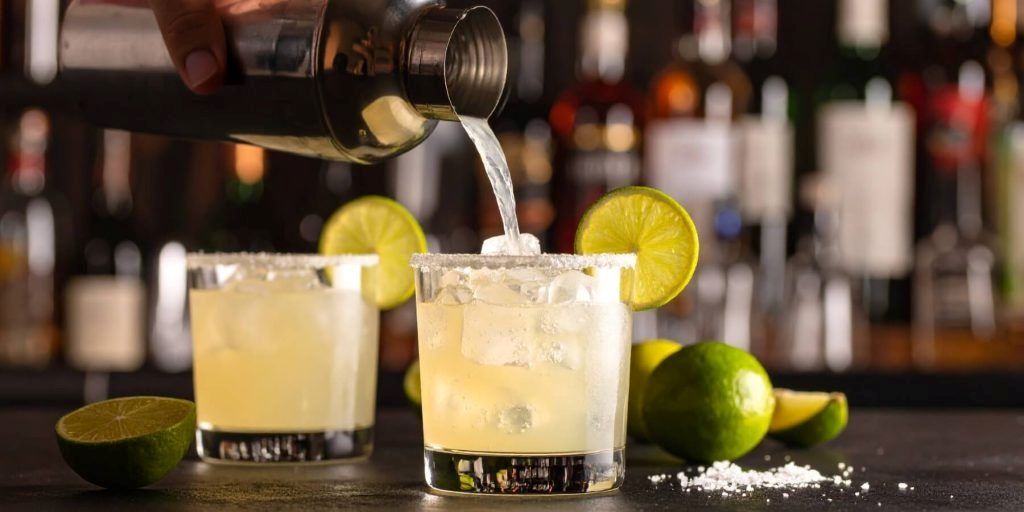
The preparation method significantly impacts how your chosen tequila performs in the final cocktail. Shaking margaritas with ice not only chills the drink but also provides proper dilution that softens the tequila’s alcohol heat while maintaining flavor intensity. The vigorous shaking action also creates the light foam that characterizes well-made margaritas.
Fresh lime juice is non-negotiable for premium margaritas. Bottled lime juice contains preservatives and lacks the bright acidity that makes tequila flavors pop. The ratio of tequila to lime juice typically runs 2:1, but adjusting this proportion based on your tequila’s character allows for customization.
Temperature control affects flavor perception significantly. Properly chilled margaritas allow the tequila’s nuances to shine while preventing alcohol burn from overwhelming the palate. Using frozen glasses enhances this effect, keeping drinks at optimal temperature throughout consumption.
Budget-Friendly Options That Don’t Compromise Quality
Quality margaritas don’t require expensive tequila investments. Several affordable options deliver excellent results when mixed properly with fresh ingredients. Lunazul Blanco offers clean agave character at an attractive price point, making it perfect for large batch margaritas or regular home cocktail making.
El Jimador Blanco provides consistent quality and authentic agave flavor that performs well in both classic and fruit-flavored margarita variations. The brand’s widespread availability makes it a reliable choice for home bartenders who want predictable results.
Milagro Silver combines traditional production methods with modern quality control, resulting in a smooth, mixable tequila that works excellently in margaritas. The brand’s commitment to using only estate-grown agave ensures consistent flavor profiles across batches.
Elevating Your Margarita Game with Premium Selections
For special occasions or when you want to impress discerning guests, investing in premium tequila can transform ordinary margaritas into memorable experiences. Fortaleza Blanco, made using traditional tahona wheel crushing and copper pot distillation, offers exceptional complexity and smoothness that creates extraordinary cocktails.
Siete Leguas Blanco represents artisanal tequila making at its finest, with hand-harvested agave and traditional production methods creating a spirit with remarkable depth and character. While more expensive than mixing tequilas, the investment pays off in cocktail quality and drinking experience.
Don Fulano Blanco combines highland agave with lowland production expertise, resulting in a tequila with both power and elegance. The complex flavor profile includes citrus, herbs, and subtle spice that creates multi-dimensional margaritas perfect for sophisticated palates.
Storage and Serving Tips for Optimal Margarita Experience
Proper tequila storage maintains quality and ensures consistent margarita results. Keep bottles in cool, dark places away from temperature fluctuations and direct sunlight. Unlike wine, tequila doesn’t improve with age once bottled, but proper storage prevents flavor degradation.
Glassware choice affects the drinking experience significantly. Traditional margarita glasses showcase the drink’s appearance and allow aromatics to concentrate, while rocks glasses work better for margaritas served over ice. Chilling glasses beforehand enhances the overall experience by maintaining optimal serving temperature.
Seasonal Margarita Variations and Tequila Pairings
Different seasons call for varying margarita styles, and your tequila choice should adapt accordingly. Summer margaritas benefit from bright, clean blanco tequilas that complement fresh fruit additions and maintain refreshing character. Winter variations might incorporate reposado tequilas whose subtle oak notes pair well with warming spices and richer flavor profiles.
Fruit-forward margaritas require tequilas with enough character to maintain presence alongside bold flavors like mango, strawberry, or jalapeño. Blancos with pronounced agave character work best, as they provide the necessary backbone without competing with added ingredients.
Conclusion: Your Next Step to Margarita Mastery
Choosing the best tequila for margaritas ultimately depends on your personal preferences, budget, and occasion. Start with a quality blanco tequila like Espolòn or Olmeca Altos to understand how pure agave flavors interact with lime juice and sweeteners. As your palate develops, experiment with premium options to discover your preferred flavor profiles.
Related Topics: