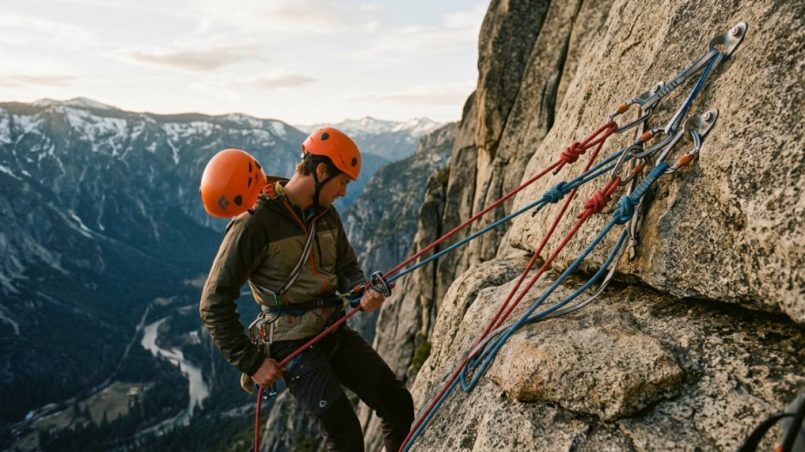
Imagine you’re halfway down a 150-foot cliff. The sun is warm, the view is stunning, and your adrenaline is pumping. Suddenly, you feel a strange vibration in your hands. You look down and see a frayed section of rope sliding through your device. Your stomach drops. This nightmare scenario is the reality of using subpar gear. The truth is, the market is flooded with inexpensive ropes that promise safety but deliver disaster. If you want to avoid cheap rappelling rope failures, you need to understand exactly what makes a rope fail, how to spot dangerous bargains, and where to find gear that balances cost with genuine performance. This guide will give you the knowledge to walk away from a bad deal and stay alive on the wall.
What Actually Causes a Cheap Rappelling Rope to Fail?
A cheap rappelling rope fails because it lacks the structural integrity to handle real-world forces. These ropes are often made from low-grade nylon, inconsistent weaving, or materials that degrade rapidly under friction and UV exposure. The failure is rarely sudden; it is a slow, invisible decay that gives way at the worst possible moment.
Poor Core Construction and Sheath Slippage
In a quality dynamic rope, the core bears the load, and the sheath protects the core. In cheap ropes, the sheath is often glued or loosely woven. This causes sheath slippage, where the outer layer slides off the core, leaving you holding a tube of fabric while the core snaps. Always check the sheath percentage (a minimum of 35% is standard for rappelling).
Low Abrasion Resistance from Inferior Materials
Cheap ropes use polypropylene or recycled nylon to cut costs. These materials have a melting point far lower than virgin nylon or polyester. When you rappel, friction generates heat. A low-quality sheath can literally melt or fuse, creating flat spots that weaken the rope by over 50%. For rappelling, you need a rope with a high number of UIAA fall rating and a tough sheath.
Inconsistent Diameter and Static Elongation
Budget manufacturers often lack quality control. You might buy a 10mm rope that actually measures 9.2mm in some sections. This inconsistency causes erratic speed control and uneven wear. Additionally, cheap “static” ropes sold for rappelling may have zero give, which transmits shock loads directly to your anchor, potentially causing system failure.
How Can You Identify a Dangerous Bargain Rappelling Rope?
You can identify a dangerous bargain rappelling rope by looking at three specific red flags: the price-to-weight ratio, the certification labels, and the manufacturer’s transparency. If a deal looks too good to be true, the rope is likely missing critical safety features.
Check for Missing UIAA or CE Certification
Every rope used for vertical life safety must have a UIAA 101 or CE EN 892 certification. This is not optional. If the product page or packaging does not explicitly state this certification, consider it a climbing rope for toys, not for humans. Bargain ropes often skip this testing to save money.
Examine the Stitching and End Treatment
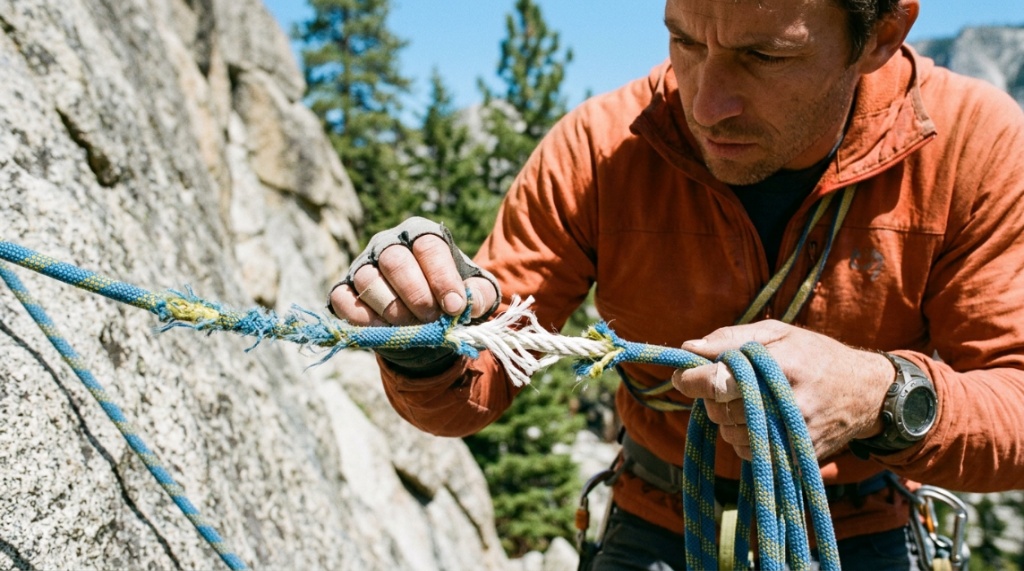
High-quality ropes have burnt or whipped ends to prevent unraveling. Cheap ropes often have raw cuts or loose stitching. Run your finger along the end of the rope. If it frays easily, the entire rope will degrade quickly. Also, look for an identification tag sewn into the middle of the rope. Reputable brands mark their ropes for traceability.
Watch Out for “Tactical” or “Multi-Purpose” Marketing
Be wary of ropes marketed as “tactical,” “survival,” or “multi-purpose.” These terms often disguise a general-purpose utility rope that is not designed for the dynamic loading of rappelling. A real rappelling rope is designed for one primary job: arresting a fall and controlling descent. Stick to brands that specialize in climbing and canyoneering.
Why Is Static Rope Riskier Than Dynamic Rope for Rappelling?
Static rope is riskier because it does not stretch. While static ropes are excellent for hauling gear or ascending, they transmit the entire force of a fall or a sudden jerk directly to your body and your anchor system. For rappelling, this lack of elasticity can cause anchor failure or severe injury.
Understanding the Difference in Impact Force
Dynamic ropes are designed to stretch, absorbing the energy of a fall. The impact force rating (measured in kN) tells you how much force is transferred. A low-impact force (around 8-9 kN) is ideal. Static ropes have an impact force near 20 kN, which is dangerous for human use. Always check the static elongation percentage; anything under 5% is too stiff for rappelling.
When Static Rope Is Acceptable (and When It Isn’t)
Static rope is acceptable for fixed lines, via ferrata, or industrial rope access where there is no chance of a fall. It is not acceptable for free hanging rappels or top-roping. If you plan to rappel on a single strand, use a dynamic rope. If you must use a static rope, ensure it is specifically rated for EN 1891 Type A, which has a minimum core percentage and is tested for low-stretch performance.
Which Key Specifications Should You Check Before Buying?
Before buying a rappelling rope, you must check the diameter, the weight per meter, the sheath slippage, and the number of falls it has survived. These four numbers tell you everything about the rope’s real-world performance and longevity.
Diameter and Weight: The Trade-Off
- 9.4mm – 9.8mm: Lightweight and good for long alpine approaches, but wears faster.
- 10.0mm – 10.5mm: The standard for durability. Heavier but lasts much longer.
- 11.0mm: Bulky and heavy, often used for top-roping or heavy wear environments.
A good rule of thumb is that a 10.2mm rope offers the best balance of handling and durability for general rappelling.
Sheath Slippage and UIAA Fall Rating
| Specification | Good Range | Danger Zone |
|---|---|---|
| Sheath Slippage | 0 mm (90% of the time) | > 10 mm |
| UIAA Falls | 5+ falls | < 3 falls |
| Static Elongation | 6% – 9% | < 3% or > 12% |
Can You Repair a Fraying Rappelling Rope Safely?
No, you cannot safely repair a fraying rappelling rope. Once the core is exposed or the sheath has slipped more than a few millimeters, the rope is structurally compromised. Cutting off the damaged section is the only option, but only if the rope is long enough to remain safe. Never attempt to glue, tape, or stitch a damaged rope.
The Dangers of DIY Repairs
Many people try to use heat shrink tubing or duct tape to cover frayed sections. This is extremely dangerous. The tape hides the damage but does not restore tensile strength. The rope will fail under load at the hidden weak point. A proper rope repair requires a factory sewn end, which is expensive and rarely worth it for a budget rope.
When to Retire a Rope Immediately
- If you see any white core fibers (this is a death sentence for the rope).
- If the rope feels mushy or flat in any spot.
- If you have taken a hard fall (factor 1 or greater).
- If the rope has been exposed to strong chemicals (battery acid, fuel).
How Much Should You Spend on a Safe Rope?
You should expect to spend between $120 and $250 for a safe, 60-meter rappelling rope. Prices below $80 for a full-length rope should raise immediate suspicion. Safety is not an area where extreme budget shopping pays off.
Breaking Down the Cost vs. Value
- Under $80: Likely a non-certified rope, poor materials, high risk of avoid cheap rappelling rope failures.
- $80 – $120: Entry-level certified ropes (usually 9.8mm, lower durability).
- $120 – $180: Mid-range workhorses (10.2mm, 5+ falls, good sheath).
- $180+: Premium ropes (dry-treated, low impact force, lighter).
Investing in the mid-range category saves you money over time because the rope lasts longer and requires less frequent replacement.
What Are the Best Storage Practices for Longevity?
The best storage practices for rope longevity involve keeping it dry, cool, and away from UV light. Never store a rope wet, as moisture accelerates mildew and weakens the nylon fibers. Use a dedicated rope bag to protect it from dirt and sunlight.
The Rule of Three for Rope Care
- Dry it properly: Hang the rope loosely in a cool, shaded area with airflow. Never use a dryer or direct sunlight.
- Keep it clean: Wash the rope in cold water with a mild rope-specific soap (like Nikwax). Dirt acts as sandpaper on the sheath.
- Rotate the ends: Flip the rope every few uses to distribute wear evenly. This doubles the lifespan of the rope.
Which Rappelling Devices Work Best with Budget Ropes?
Budget ropes often have a stiff handling feel and a slick finish. Therefore, you should use a device with aggressive cam action or a tubular device with high friction. The Petzl Grigri or Black Diamond ATC Guide work well, but you may need to test the braking action before a big descent.
How Stiffness Affects Device Performance
Cheaper ropes are often stiffer because they use less refined fibers. A stiff rope can be difficult to feed through a belay device, causing a phenomenon called “rope lock.” Always test your new rope with your device at ground level before trusting it on a rappel. If the rope feels like a stick, it may not feed smoothly.
Avoiding Heat Build-Up with High Friction
Budget ropes with poor sheaths generate more heat. When rappelling fast, this heat can melt the sheath. Use a fireman’s belay or rappel slowly (under 3 meters per second) to avoid weakening the rope. If you smell hot plastic, stop immediately.
How Often Should You Replace a Rappelling Rope?
You should replace a rappelling rope based on usage frequency, not just calendar time. A rope used every weekend for a season (6 months) should be retired. A rope used rarely (4-5 times a year) can last 2-3 years, but inspect it before every use.
The Frequency of Use Rule
- Weekly use: Replace every 6–12 months.
- Monthly use: Replace every 18–24 months.
- Occasional use (4-6 times a year): Replace every 3 years.
These are general guidelines. If you ever fall onto the rope, replace it immediately, regardless of its age.
Is It Safe to Buy a Used Rappelling Rope Online?
No, it is never safe to buy a used rappelling rope online. You cannot verify its history. The seller may have taken a fall on it, stored it wet, or exposed it to chemicals. The small money saved is not worth the risk of a catastrophic failure. Always buy new from an authorized dealer.
The Hidden Damage of a Used Rope
A used rope may look perfect on the outside but have internal core damage from a fall. The core can be crushed or frayed without any visible sheath damage. This is called a “core shot” and is invisible to the naked eye. Only a drop test can reveal it, which you cannot perform on a used rope, Using Exercise Ropes for Outdoor Bootcamp Style Workouts naturally into .
Where to Buy Safely
Stick to reputable climbing shops or direct manufacturers. Look for brands like Mammut, Petzl, Beal, and Edelrid. These companies have rigorous testing standards. If you are on a tight budget, look for last season’s models or factory seconds, but only from a trusted source.
Frequently Asked Questions
What is the difference between a dynamic and static rope for rappelling?
A dynamic rope stretches, absorbing shock loads during a fall. A static rope has very little stretch. For rappelling, a dynamic rope is safer because it reduces stress on the anchor and the human body. Static ropes are best for hauling or fixed lines.
Can I use a rope that is only 30 meters long for rappelling?
Yes, but only for short routes. You need a rope that is at least double the length of the rappel plus some margin for the anchor. A 30-meter rope is safe for rappels of 10-12 meters. For most outdoor climbs, a 60-meter rope is the standard.
How do I know if my rope has gotten too hot from friction?
If you smell a burnt plastic or chemical odor, the rope has overheated. Also, check for glazing, which is a shiny, smooth, hardened section of the sheath. A glazed rope has reduced friction and may slip through your device. Retire it immediately.
Is a thicker rope always safer for rappelling?
Not necessarily. A thicker rope (11mm) is more durable and easier to handle with gloves, but it requires a larger device and is heavier. A 10mm rope is a good balance of safety and weight. The safety depends more on the quality of the core and sheath than the diameter alone.
Can I wash my rappelling rope in a washing machine?
Yes, but with extreme caution. Use a front-loading machine (no agitator), cold water, and a mild rope soap. Do not use bleach or fabric softener. Never use a top-loading machine with a center post, as it can kink and damage the rope. Hang to dry away from direct sunlight.
How do I properly inspect a rope for internal damage?
You cannot visually inspect internal damage. The best method is the “bend test.” Bend the rope into a tight U-shape. If the rope feels flat, mushy, or has a distinct ridge, the core may be damaged. A healthy rope feels round and firm. For absolute certainty, use a rope tester.
What should I do if my rope gets wet?
If your rope gets wet, do not put it away wet. Coil it loosely and dry it in a well-ventilated, shaded area. A wet rope can lose up to 30% of its strength and is more susceptible to abrasion. Never use a wet rope on a frozen anchor, as the water can freeze and damage the fibers.
Conclusion
Mastering vertical safety comes down to one simple principle: respect the rope. You now know exactly what causes cheap rappelling rope failures—poor materials, missing certifications, improper storage, and hidden damage. You have a checklist to follow: check the UIAA rating, examine the sheath, avoid static ropes for pure rappelling, and never buy used gear online. The money you save on a bargain rope is nothing compared to the cost of a hospital visit or worse. Your life is literally hanging on this decision. Make the investment in a certified, high-quality rope from a trusted retailer. Your adventure is only as good as the gear that supports you. Stay safe, climb hard, and choose wisely.