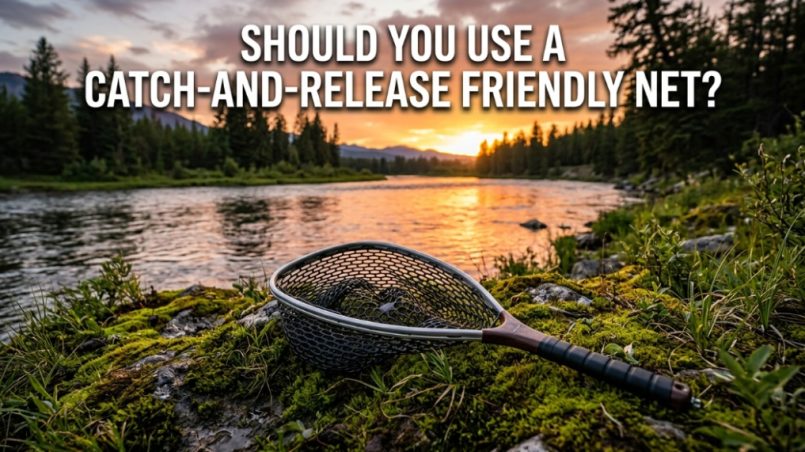
The best kayak landing net is compact, lightweight, easy to handle with one hand, and safe for both fish and anglers. A good compact fishing net improves landing success, prevents lost fish beside the kayak, and reduces injury risk when handling hooks in tight spaces.
Why Is Choosing the Right Kayak Landing Net So Important?
A properly designed kayak landing net helps anglers land fish safely without losing balance or damaging gear. In a small kayak, oversized or poorly designed nets become difficult to manage and can even create safety hazards.
Many anglers focus heavily on rods, reels, and fish finders but overlook the landing net. That mistake often shows up at the worst possible moment — when a strong fish makes one final run beside the kayak.
Unlike bass boats or larger fishing vessels, kayaks provide limited storage and limited movement. You are usually seated low to the water with one hand controlling the rod and the other trying to secure the fish. A bulky net can snag hooks, tangle with gear, or tip your balance.
Modern kayak anglers now prefer:
- Compact net frames
- Foldable fishing net designs
- Rubber-coated mesh
- Lightweight aluminum handles
- Floating net systems
According to kayak fishing surveys published by fishing communities and gear retailers, landing issues are one of the most common causes of lost fish in kayaks. Many experienced anglers now treat the net as essential safety equipment rather than an optional accessory.
What Makes a Good Kayak Landing Net?
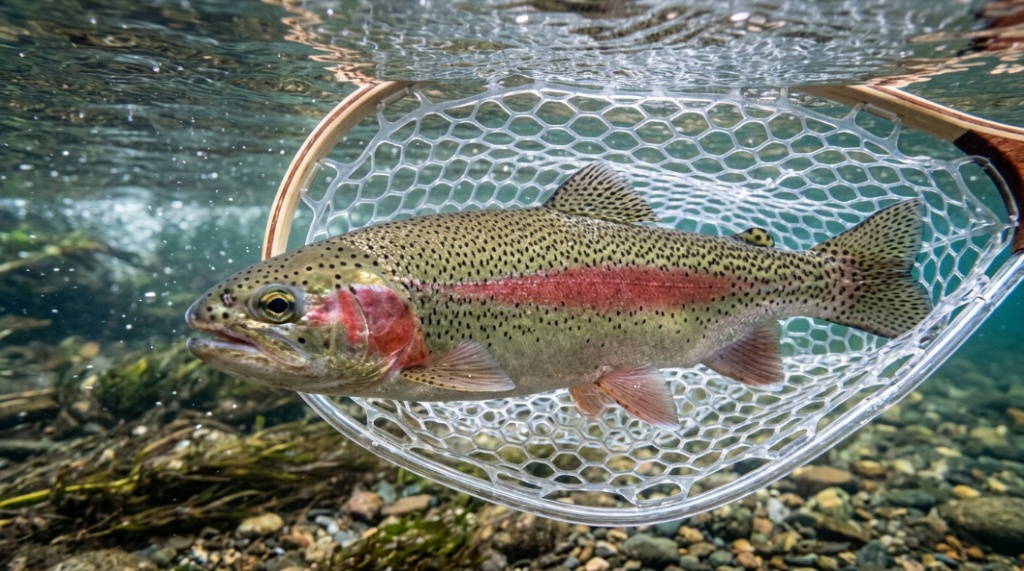
A good kayak landing net should be lightweight, compact, fish-friendly, and easy to operate with one hand. It also needs enough reach and hoop size to handle your target species without becoming difficult to store.
The best kayak nets balance four key things:
- Portability
- Reach
- Fish safety
- Ease of use
Why Does Net Size Matter for Kayak Fishing?
The right net size helps you land fish efficiently without overcrowding your kayak. Oversized nets are difficult to maneuver in tight seating positions.
For most freshwater kayak anglers targeting bass, trout, walleye, or redfish, a hoop size between 16 and 22 inches works well. Larger species may require deeper bags or wider frames.
| Fishing Type | Recommended Hoop Size | Ideal Handle Length |
|---|---|---|
| Bass Fishing | 16–20 inches | 12–24 inches |
| Trout Fishing | 14–18 inches | 10–20 inches |
| Inshore Saltwater | 18–24 inches | 20–36 inches |
| Pike or Musky | 24+ inches | 24–40 inches |
Should You Choose Rubber Mesh or Nylon Mesh?
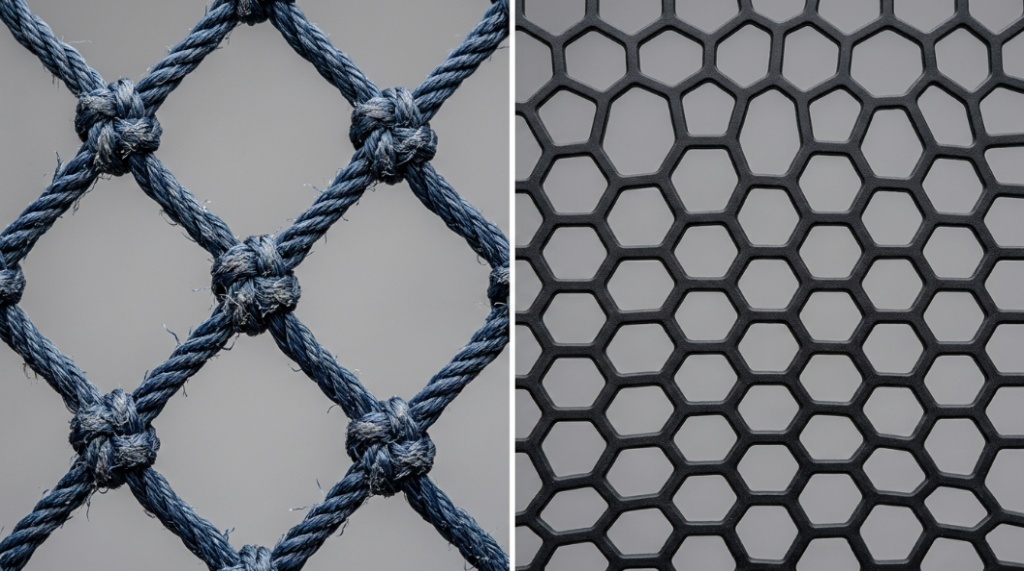
Rubber-coated mesh is usually the better choice for kayak fishing because it protects fish slime coating, reduces hook tangles, and lasts longer in wet environments.
Nylon mesh is lighter and cheaper, but it tangles treble hooks easily. This becomes frustrating when fishing crankbaits, jerkbaits, or topwater lures.
Rubber nets also improve catch-and-release survival rates. Fishery studies have shown that knotless rubber mesh reduces fin damage and scale loss compared to traditional nylon materials.
Why Is a Foldable Fishing Net Better for Kayaks?
A foldable fishing net saves space and improves safety by keeping your kayak deck uncluttered. It also makes transport and storage much easier.
Space management matters in kayak fishing. Rod holders, tackle boxes, fish finders, and paddle storage already compete for room. A large fixed net often becomes an obstacle.
A high-quality foldable fishing net can:
- Collapse for easy storage
- Fit behind the kayak seat
- Reduce snagging risks
- Improve paddling movement
- Make transportation easier
Many modern folding systems use push-button locking hinges or telescopic handles. These allow anglers to deploy the net quickly during the fight.
Do Folding Nets Sacrifice Strength?
Good folding nets remain durable if they use reinforced aluminum or carbon fiber frames. Cheap plastic hinges, however, can fail under pressure.
When evaluating a foldable net, check:
- Hinge material quality
- Locking mechanism strength
- Frame rigidity
- Weight rating
- Corrosion resistance
Saltwater anglers should prioritize marine-grade aluminum or corrosion-resistant coatings.
How Long Should a Kayak Fishing Net Handle Be?
The ideal kayak fishing net handle length is usually short to medium because kayaks position anglers close to the water. Long handles often become awkward and harder to control.
Most kayak anglers prefer:
- 12–20 inches for freshwater
- 20–36 inches for saltwater or larger fish
- Telescopic handles for versatility
A shorter handle improves one-handed operation. Since kayak anglers sit low to the waterline, extreme reach is rarely necessary.
When Should You Use a Telescopic Handle?
Telescopic handles work well for anglers targeting different species or fishing multiple environments. They offer flexibility without permanently increasing storage size.
For example:
- Collapsed mode for bass fishing
- Extended mode for redfish or pike
- Compact storage during paddling
The downside is that low-quality telescopic locks may loosen over time. Always test extension locks before purchasing.
What Features Should You Look for in a Compact Fishing Net?
The best compact fishing net combines portability, fish safety, and fast deployment. Lightweight construction and efficient storage matter more in kayaks than in larger boats.
Key features include:
- Foldable frame
- Rubber-coated mesh
- Floating capability
- Corrosion-resistant materials
- Non-slip grip
- Lanyard attachment points
- Quick-lock mechanisms
Why Are Floating Nets Popular Among Kayak Anglers?
Floating nets prevent accidental loss if dropped overboard. This is especially useful in moving water or offshore environments.
Dropping gear happens frequently during kayak fishing. A floating net gives you time to recover expensive equipment before it sinks.
Many premium nets now include:
- EVA foam edging
- Buoyant handles
- Bright visibility colors
These features improve recovery during low-light conditions or rough water.
What Is the Best Net Shape for Kayak Fishing?
Teardrop and oval-shaped nets are usually best for kayak fishing because they balance fish control with compact storage.
Different shapes affect maneuverability:
| Net Shape | Advantages | Best For |
|---|---|---|
| Teardrop | Compact and maneuverable | Bass and trout |
| Oval | Balanced reach and control | General kayak fishing |
| Round | Easy fish scooping | Panfish |
| Rectangular | Maximum fish space | Large species |
Most kayak anglers choose teardrop or oval nets because they are easier to swing beside the kayak without snagging rods or electronics.
How Do You Match a Kayak Landing Net to Your Target Species?
Your target fish species should determine the size, depth, and strength of your kayak landing net.
Small trout require different net designs than large catfish or saltwater species.
What Net Works Best for Bass Fishing?
Bass anglers usually benefit from medium-sized rubber nets with short handles and foldable frames.
Important features include:
- Rubber mesh for treble hooks
- Compact hoop design
- One-handed usability
- Lightweight construction
What Net Works Best for Saltwater Kayak Fishing?
Saltwater kayak fishing requires corrosion-resistant materials and deeper net bags for stronger fish.
Recommended features include:
- Marine-grade aluminum
- Deep rubber net bags
- Floating handle systems
- Larger hoop openings
Species like snook, redfish, striped bass, and tarpon often require additional reach and stronger frame construction.
How Can the Wrong Net Make Kayak Fishing Dangerous?
The wrong net can create balance issues, hook accidents, and deck clutter that increase injury risk on the water.
Kayak fishing already involves limited stability compared to traditional boats. Large nets increase movement and make emergency reactions slower.
Common problems include:
- Hooks snagging clothing
- Nets tangling with rods
- Difficulty paddling
- Fish thrashing beside the kayak
- Leaning too far during landing
Compact, controlled landing systems reduce these risks significantly.
Why Does One-Handed Operation Matter?
One-handed operation allows anglers to maintain rod control while securing the fish safely. This becomes critical during aggressive runs near the kayak.
A lightweight compact fishing net improves reaction speed and reduces awkward body positioning.
Should You Use a Catch-and-Release Friendly Net?
Catch-and-release friendly nets improve fish survival rates by reducing stress, scale damage, and slime coat removal.
Conservation has become increasingly important in modern fishing communities. Many fisheries now encourage fish-safe landing practices.
Fish-friendly nets typically include:
- Knotless rubber mesh
- Soft basket designs
- Deep support bags
- Smooth coated frames
Scientific fisheries research consistently shows that minimizing handling time improves post-release survival.
Why Do Treble Hooks Tangle Less in Rubber Nets?
Rubber-coated mesh reduces hook penetration and makes lure removal much faster.
This matters when fishing:
- Crankbaits
- Topwater lures
- Jerkbaits
- Spinnerbaits
Less tangling means faster releases and fewer damaged lures.
What Mistakes Should You Avoid When Buying a Foldable Fishing Net?
The biggest mistakes are choosing nets that are too large, poorly built, or made with cheap mesh materials.
Common buying mistakes include:
- Buying oversized boat nets
- Ignoring storage dimensions
- Choosing weak plastic hinges
- Selecting nylon mesh with treble hooks
- Ignoring corrosion resistance
- Buying overly heavy nets
Why Do Cheap Nets Fail Quickly?
Low-quality nets often use weak locking systems, poor stitching, and thin aluminum tubing that bends under pressure.
Saltwater exposure accelerates failure even faster. Investing in quality construction usually saves money long term.
How Should You Store a Kayak Landing Net?
A kayak landing net should stay secured but quickly accessible during the fight. Proper storage improves safety and reduces deck clutter.
Popular storage methods include:
- Behind-seat holders
- Bungee deck systems
- Magnetic release clips
- Side-mounted gear tracks
- Lanyard tether systems
Many kayak anglers use retractable tethers to prevent accidental loss while maintaining quick deployment.
Should You Use a Net Leash?
Yes. A leash or tether prevents losing the net during rough water, strong fish runs, or accidental drops.
Floating nets help, but tether systems add extra security.
Conclusion: How Do You Choose the Best Kayak Landing Net?
The best kayak landing net is the one that fits your fishing style, target species, and kayak setup without creating unnecessary bulk or safety issues.
For most anglers, the ideal choice is a lightweight compact fishing net with:
- Rubber-coated mesh
- Foldable frame
- Short or telescopic handle
- Corrosion-resistant construction
- Fish-friendly design
A quality foldable fishing net improves landing success, protects fish, reduces hook tangles, and keeps your kayak organized. It is one of the most overlooked upgrades in kayak fishing.
If you regularly lose fish beside the kayak or struggle with awkward landings, upgrading your kayak landing net can make an immediate difference. Choose a model designed specifically for kayak use, not a downsized boat net.
The right net helps you fish safer, land more fish, and enjoy a more efficient day on the water.
FAQ: Kayak Landing Net Questions
What size kayak landing net is best?
A medium-sized net with a 16–22 inch hoop is ideal for most kayak anglers because it balances fish control and easy storage.
Are rubber fishing nets better for kayaks?
Yes. Rubber nets reduce hook tangles, protect fish slime coating, and improve catch-and-release survival compared to nylon mesh.
Why do kayak anglers prefer foldable fishing nets?
Foldable fishing nets save space, reduce clutter, and improve portability in small kayak setups.
Can a fishing net float if dropped?
Some kayak fishing nets include floating foam or buoyant handles that help keep the net on the water surface for recovery.
What handle length is best for kayak fishing?
Short to medium handles between 12 and 24 inches work best because kayak anglers sit close to the water.
Do I need a fish-friendly net for catch and release?
Yes. Fish-friendly rubber nets reduce scale loss, stress, and fin damage during handling and release.
What is the biggest mistake when buying a kayak net?
The biggest mistake is choosing a net that is too large for the kayak, making storage and fish handling difficult.
📌 Related Reads
Discover: How to Choose Saltwater Fishing Lure Kits for Coastal Fishing
Explore: How to Stay Cool: Best Fishing Hats for Summer Anglers in 2026