Hey there, fellow adventurer! So, you’ve got yourself a lineman’s rope, and you’re ready to explore new heights and conquer the world, or at least your local utility pole. Well, you’ve come to the right place because I’m here to guide you through the ropes, pun intended.
In this comprehensive guide, we’re going to dive deep into the world of lineman’s ropes. We’ll explore what they are, the different types available, and most importantly, how to use them safely and effectively. So, grab your rope, put on your safety gear, and let’s get started on this high-flying adventure!
Understanding Lineman’s Ropes
Before we jump into the nitty-gritty of using a lineman’s rope, let’s take a moment to understand what it is and why it’s such an essential tool for professionals in the electrical utility and tree care industries. Explore how to use a rope clamp.
What is a Lineman’s Rope?
A lineman’s rope, also known as a utility rope or climbing rope, is a specialized rope designed for professionals who need to work at heights, such as linemen, arborists, and tower climbers. These ropes are built to withstand the rigorous demands of these professions and ensure the safety of those who use them.
Why Are Lineman’s Ropes Important?
Imagine being a lineman tasked with repairing power lines high above the ground, or an arborist trimming branches at dizzying heights. These professionals rely on lineman’s ropes not just for their own safety but also to efficiently perform their job tasks. Lineman’s ropes are essential for:
- Safety: The primary purpose of a lineman’s rope is to keep the user safe while working at heights. These ropes are designed to provide reliable support and prevent falls.
- Accessibility: Lineman’s ropes allow professionals to access difficult-to-reach areas, such as the tops of utility poles or the crowns of tall trees, with ease.
- Stability: These ropes offer stability and balance, enabling workers to perform tasks with precision and control.
Now that we’ve established the importance of lineman’s ropes, let’s move on to the fun part – using them effectively and safely!
Choosing the Right Lineman’s Rope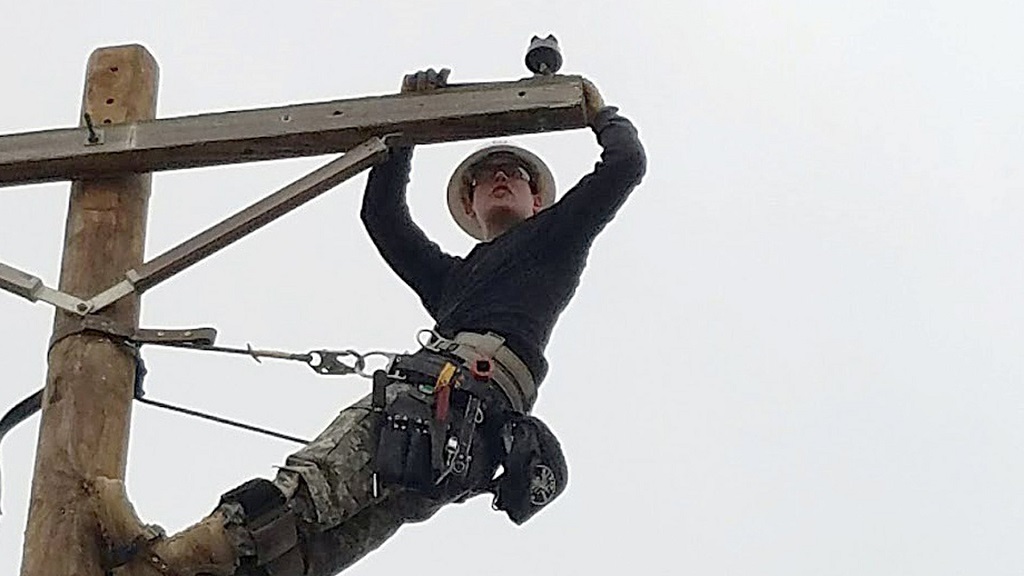
Before you can embark on your climbing adventure, you need to choose the right lineman’s rope for your specific needs. There are various types of ropes available, each designed for different purposes. Here’s a quick rundown:
1. Double Braided Polyester Ropes:
These ropes are the workhorses of the lineman world. They are strong, durable, and have excellent resistance to UV rays and abrasion. Double braided polyester ropes are ideal for various applications, from climbing utility poles to rigging heavy loads. Discover What to look for in a solar panel provider.
Kernmantle ropes consist of a core (kern) protected by a woven outer sheath (mantle). They are known for their strength, flexibility, and low stretch properties. Arborists often prefer kernmantle ropes for tree climbing because they provide a smooth and controlled ascent.
3. Static Ropes:
Static ropes are designed with minimal stretch, making them suitable for work positioning and rappelling. They are commonly used in rescue operations and situations where precise control is essential.
4. Dynamic Ropes:
Dynamic ropes, on the other hand, are designed to stretch and absorb shock loads. These ropes are primarily used in climbing and mountaineering to protect against falls.
5. Accessory Cord:
Accessory cords are smaller-diameter ropes often used for creating friction hitches, prusik loops, and other specialized knots and attachments. They are versatile and can be handy for various climbing techniques.
Now that you have an idea of the different types of lineman’s ropes available, it’s time to choose the one that suits your specific needs. Consider factors like the type of work you’ll be doing, the environment you’ll be working in, and your personal preferences.
Gear Up for Safety
Safety should always be your top priority when working with lineman’s ropes. Before you start climbing, make sure you have the right safety gear and equipment. Here’s a checklist to ensure you’re well-prepared:
- Helmet: Protect your head from potential falling debris or accidents. A helmet with a chin strap is ideal to keep it securely in place.
- Harness: A climbing harness is essential for distributing your weight and ensuring you’re securely attached to the rope.
- Gloves: Choose gloves with good grip and protection against abrasions. They’ll help you maintain control and prevent rope burns.
- Carabiners: These are the connectors that attach your harness to the rope or other equipment. Make sure they are sturdy and rated for climbing.
- Ascenders and Descenders: These devices allow you to move up (ascend) and down (descend) the rope safely and with control.
- Safety Lanyard: A safety lanyard provides an additional point of attachment to the rope, enhancing your stability and security.
- Climbing Boots: Sturdy, non-slip boots are essential for maintaining balance and preventing foot injuries.
- First Aid Kit: Accidents can happen. Having a basic first aid kit on hand can be a lifesaver in emergencies.
Once you’ve gathered your gear, it’s time to get acquainted with your lineman’s rope and start your climbing adventure.
Knots and Hitches: Tying the Right Ones
Knowing how to tie the right knots and hitches is crucial for your safety and efficiency when using a lineman’s rope. Think of knots as your trusty sidekicks, helping you secure yourself and your equipment. Here are a few essential knots and hitches you should master:
- Figure Eight Knot:
The figure eight knot is your go-to knot for creating a secure loop at the end of the rope, which you can use to attach to your harness or other gear.
- Bowline Knot:
The bowline knot forms a non-slipping loop that’s perfect for creating a secure attachment point. It’s often used for tying into your harness.
- Prusik Knot:
The prusik knot is a friction hitch that allows you to ascend or descend the rope with ease. It’s a must-know knot for climbers.
- Clove Hitch:
The clove hitch is useful for attaching yourself to a vertical rope, such as when climbing a utility pole. It’s adjustable and easy to untie after loading.
- Double Fisherman’s Knot:
This knot is excellent for joining two ropes securely. It’s commonly used in rigging and rescue operations.
- Barrel Knot (Overhand Knot):
The barrel knot, also known as the overhand knot, is a simple knot used to prevent the rope from slipping through an anchor point.
Remember, practice makes perfect when it comes to knots and hitches. Spend some time mastering these essential knots until you can tie them confidently and without hesitation.
Climbing Techniques: Going Up and Coming Down
Now that you’ve got your gear and knots down pat, let’s delve into the actual climbing techniques. Climbing a lineman’s rope requires a combination of strength, skill, and finesse. Here’s how to ascend and descend like a pro:
Ascending the Rope:
- Attach your harness: Make sure your harness is securely fastened and properly adjusted to distribute your weight evenly.
- Attach your ascenders: Ascenders are mechanical devices that grip the rope as you climb. Attach them to the rope, ensuring they are correctly oriented.
- Prusik backup: For added safety, attach a prusik knot to the rope above your ascenders. This knot acts as a backup in case your ascenders fail.
- Stand up and push down: To ascend, stand up while keeping your weight on the ascenders. Push down with your feet and release the grip with your hands, then slide the ascenders up the rope. Alternate this motion to climb higher.
Descending the Rope:
- Attach your descenders: Descenders, also known as belay devices, control your descent. Attach them to your harness and the rope, ensuring they are correctly oriented.
- Control the descent: To descend, release the grip with your hands and gently apply pressure to the descender. This will allow you to control your speed and stop when needed.
- Keep both hands on the rope: Always keep both hands on the rope when descending, and maintain a firm grip. This ensures you have control in case of unexpected changes.
- Prusik backup: As with ascending, consider using a prusik knot as a backup while descending. It provides an additional safety measure.
Climbing a lineman’s rope requires practice and patience. Start with shorter climbs and gradually work your way up to more challenging heights as you gain confidence and experience.
Safety Tips for Lineman’s Rope Climbing
Safety should always be your top priority when working with a lineman’s rope. Here are some crucial safety tips to keep in mind:
- Inspect Your Gear: Before every climb, thoroughly inspect your gear for any signs of wear, damage, or defects. If you find any issues, replace the equipment immediately.
- Stay Hydrated and Rested: Climbing can be physically demanding. Stay hydrated and well-rested to maintain your strength and focus while on the rope.
- Communicate: If you’re working as part of a team, communicate clearly and consistently. Ensure everyone knows their roles and responsibilities.
- Check Weather Conditions: Be aware of weather conditions that could affect your climb. Rain, lightning, or strong winds can make climbing dangerous. Always prioritize safety over deadlines.
- Never Climb Alone: Climbing alone is risky. Always have a partner or someone on the ground who can assist in case of an emergency.
- Plan Your Ascent and Descent: Before you start climbing, plan your route and descent strategy. Identify anchor points and potential obstacles.
- Know Your Limits: Don’t push yourself beyond your skill level. If you’re unsure about a climb, seek guidance from experienced climbers or trainers.
- Emergency Preparedness: Carry a communication device, such as a two-way radio or cell phone, in case you need to call for help. Also, have a basic first aid kit on hand.
Remember, safety is a shared responsibility, both for yourself and those around you. By following these safety tips, you can minimize the risks associated with lineman’s rope climbing and ensure a safe and successful climb.
Maintenance and Care of Lineman’s Ropes
Your lineman’s rope is your lifeline, quite literally. To ensure it continues to serve you well, proper maintenance and care are essential. Here’s how to keep your rope in top-notch condition:
- Regular Inspection: Before each use, inspect your rope for any signs of wear, fraying, or damage. Look for cuts, abrasions, or soft spots. If you find any issues, retire the rope immediately.
- Cleaning: Depending on the type of rope and the conditions you work in, it may need periodic cleaning. Use mild soap and water to clean dirt, grime, and contaminants. Rinse thoroughly and allow it to dry naturally.
- Storage: Store your rope in a cool, dry place away from direct sunlight and moisture. Avoid coiling it tightly, as this can lead to kinks and damage. Consider using a rope bag for added protection.
- Avoid Chemicals: Keep your rope away from chemicals, solvents, and oils, as these can weaken the fibers and compromise safety.
- Retire Old Ropes: Lineman’s ropes have a lifespan. As they age, their strength and integrity can diminish. Always follow the manufacturer’s recommendations for retirement, and replace old ropes as needed.
Proper care and maintenance not only extend the life of your lineman’s rope but also ensure your safety during climbs. Remember, your rope is only as strong as its weakest point, so don’t take any chances.
Wrapping Up
Congratulations! You’ve now learned the ropes (pun intended) of using a lineman’s rope. From choosing the right rope to mastering essential knots and climbing techniques, you’re well on your way to becoming a skilled and safe lineman or arborist.
Just remember, safety should always be your top priority. Regularly inspect your gear, follow proper procedures, and never take unnecessary risks. With practice, experience, and a commitment to safety, you’ll be climbing to new heights with confidence and expertise.
FAQs
Q1: Can I use any rope for lineman work?
No, you should never use just any rope for lineman work. Lineman’s ropes are specifically designed and tested to meet the safety and performance standards required for working at heights. Using an unsuitable rope can jeopardize your safety.
Q2: How often should I replace my lineman’s rope?
The frequency of rope replacement depends on several factors, including the type of rope, frequency of use, and environmental conditions. It’s essential to follow the manufacturer’s recommendations for retirement and conduct regular inspections to identify signs of wear or damage.
Q3: Is tree climbing with a lineman’s rope the same as utility pole climbing?
While the basic principles of climbing remain similar, there are differences in techniques and equipment when climbing trees versus utility poles. Arborists often use specialized ropes and techniques for tree climbing, while linemen use equipment tailored to utility poles and towers.
Q4: Can I use lineman’s ropes for rock climbing or mountaineering?
Lineman’s ropes are not suitable for rock climbing or mountaineering. These activities require ropes with specific characteristics, such as dynamic stretch, that lineman’s ropes do not possess. Always use the right rope for the intended activity.
Q5: Are there any certification or training requirements for using lineman’s ropes?
Yes, many industries require certification or training for workers who use lineman’s ropes. Training programs teach safety protocols, proper techniques, and equipment usage. It’s crucial to undergo the necessary training and certification to ensure your competence and safety.