
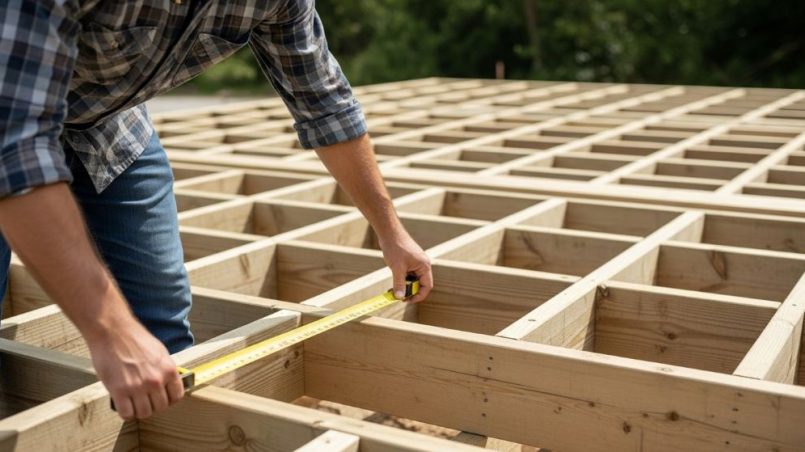
Selecting the right tape measure might seem straightforward, but this decision can significantly impact your productivity on large outdoor projects. Whether you’re a professional contractor, landscaper, or DIY enthusiast tackling ambitious home improvements, understanding tape measure specifications will save you time and frustration. This guide explores the critical factors that determine which length works best for your outdoor work.
Why Tape Measure Length Matters for Outdoor Work
Outdoor projects present unique challenges compared to indoor tasks. You’re often measuring longer distances across yards, building exteriors, or construction sites. The right tape measure eliminates the need for multiple measurements or awkward repositioning. Moreover, outdoor conditions like wind and uneven terrain require tools that perform reliably under challenging circumstances.
Consider a typical deck installation. You’ll measure perimeter dimensions, diagonal measurements for square checking, and individual board placements. A tape that’s too short forces you to mark and remeasure repeatedly. Conversely, an excessively long tape becomes cumbersome for smaller precision work. Finding the sweet spot ensures efficiency throughout your project.
Understanding Tape Measure Specifications
Modern tape measures feature various specifications beyond simple length. Understanding these characteristics helps you make an informed choice for outdoor applications.
The blade width affects durability and rigidity. Wider blades resist kinking and extend farther without support. Most professional-grade tapes use blades between three-quarters and one inch wide. This width provides excellent performance for outdoor use without adding excessive weight.
Blade coating protects against the elements. Outdoor work exposes your tape to moisture, dirt, and temperature fluctuations. Quality tapes feature protective coatings that resist corrosion and maintain readability over time. Some manufacturers offer specialized coatings that reduce glare in bright sunlight.
Hook design impacts accuracy and versatility. The metal hook at the tape’s end should move slightly to accommodate inside and outside measurements. For outdoor work, look for reinforced hooks that withstand snagging on rough materials like concrete blocks or lumber.
The 25 ft vs 30 ft Tape Decision
Choosing between these two popular lengths represents a common dilemma for outdoor workers. Each option offers distinct advantages depending on your typical project scope.
A 25-foot tape provides excellent portability and ease of use. It fits comfortably in most tool belts and pockets without creating bulk. For residential projects like fence installations, garden bed layouts, or small deck constructions, this length handles most measurements efficiently. The compact size also means less weight to carry throughout your workday.
However, a 30-foot tape extends your reach for larger projects. Commercial work, extensive landscaping, or building construction often requires measuring distances that exceed 25 feet. Having that extra length eliminates the frustration of coming up just short on critical measurements. Additionally, the longer tape reduces the number of times you need to move your starting point when working across large areas.
Weight and bulk increase with a 30-foot tape, but modern designs minimize this difference. Advanced materials and engineering mean the gap in portability has narrowed considerably. Many professionals find the slight increase in size worthwhile for the added versatility.
Standout Length Considerations
The standout length determines how far your tape extends without bending or breaking. This specification proves particularly valuable for outdoor work where you often measure alone without assistance.
A tape with superior standout length allows single-person operation over greater distances. Instead of anchoring the hook and walking to read the measurement, you can extend the tape while holding the case. This capability saves time and reduces the need for a second person on many tasks.
Different manufacturers achieve varying standout lengths through blade geometry and materials. Premium tapes typically extend seven to thirteen feet without support. This range works well for most outdoor applications, from measuring wall heights to checking spacing between posts.
Testing standout length before purchase ensures the tape meets your needs. Extend the tape horizontally and note where it begins to droop significantly. This practical test reveals real-world performance better than manufacturer specifications alone. Remember that standout performance degrades over time as the blade experiences wear, so starting with a quality tool pays dividends.
Matching Tape Length to Common Outdoor Projects
Different outdoor jobs have different measurement requirements. Understanding these patterns helps you select the optimal tape length.
For landscaping projects, a 25-foot tape handles most residential yards comfortably. Garden bed layouts, tree spacing, and pathway measurements typically fall within this range. However, larger properties or commercial landscaping benefits from a 30-foot option. The extra length proves invaluable when plotting irrigation lines or measuring property boundaries.
Deck and patio construction often involves measurements that push the limits of a 25-foot tape. Diagonal measurements on larger decks easily exceed 25 feet. Therefore, many deck builders prefer 30-foot tapes as their primary tool. The ability to check squareness with a single measurement improves accuracy and workflow.
Fence installation presents similar considerations. Measuring between post locations, checking heights, and verifying overall run length all become easier with adequate tape length. A 30-foot tape allows you to measure most residential fence sections in one go. This efficiency becomes especially apparent when working on longer runs where precision matters.
Siding and exterior work frequently requires vertical measurements that benefit from extended reach. Measuring gable heights or checking story heights becomes simpler with a longer tape. Additionally, the enhanced standout length of many 30-foot models allows you to take these vertical measurements solo.
Durability Features for Outdoor Use
Outdoor environments demand robust construction that withstands harsh conditions. Several features indicate a tape’s readiness for challenging outdoor work.
Case construction affects longevity and protection. Look for rubberized or reinforced cases that absorb impacts from drops. Outdoor work sites are rarely gentle on tools, and your tape will inevitably hit the ground repeatedly. A protective case prevents internal damage and maintains smooth operation.
Blade material determines resistance to environmental factors. Nylon-coated blades repel moisture better than uncoated steel. This coating prevents rust in humid conditions or when working in damp weather. Some manufacturers offer blade materials specifically engineered for extreme temperature resistance.
The locking mechanism must function reliably despite dust and debris. Outdoor work exposes your tape to dirt that can compromise internal mechanisms. Quality locking systems use sealed designs that maintain crisp engagement even after extensive use in dusty conditions.
Belt clip strength matters more than you might expect. A failed belt clip means your tape ends up on the ground or lost on the job site. Heavy-duty clips with multiple attachment points provide security without interfering with tape operation.

Ergonomics and Comfort for Extended Use
Outdoor projects often involve hours of continuous measurement. Ergonomic design reduces fatigue and improves accuracy throughout long workdays.
Case size and shape affect grip comfort. Larger cases provide more surface area for your hand, reducing pressure points during extended use. However, they also add bulk that may prove cumbersome in tight spaces. Finding the right balance depends on your hand size and typical working conditions.
Finger brake placement influences ease of operation. The brake should fall naturally under your thumb or finger without requiring awkward hand positions. This seemingly minor detail becomes significant after hundreds of measurements in a single day.
Weight distribution within the case affects how the tape feels during use. Well-designed tapes balance the internal components so the tool sits naturally in your hand. Poor weight distribution causes strain as you unconsciously adjust your grip to compensate.
Budget Considerations and Value
Price ranges for tape measures vary dramatically, from a few dollars to over fifty dollars for premium models. Understanding what justifies higher prices helps you invest wisely.
Entry-level tapes suffice for occasional use or light-duty applications. If you tackle outdoor projects infrequently, a budget option provides adequate performance without significant investment. However, expect shorter lifespan and less refined features compared to professional-grade tools.
Mid-range tapes offer the best value for regular users. These tools incorporate quality materials and construction without premium pricing. For homeowners who handle several outdoor projects annually, this category provides reliable performance and reasonable longevity.
Professional-grade tapes justify their cost through superior durability and performance. If you use your tape daily or work in demanding conditions, investing in a top-tier tool pays off through extended service life and enhanced productivity. Features like advanced standout length and superior blade coatings make noticeable differences in real-world use.
Making Your Final Selection
Armed with knowledge about tape measure features and requirements, you can confidently choose the right tool for your outdoor work.
Start by honestly assessing your typical project scope. If most measurements fall under 20 feet, a 25-foot tape provides excellent service with minimal bulk. However, if you frequently work on larger projects or want a single tape for all outdoor tasks, the 30-foot option offers greater versatility.
Consider the 25 ft vs 30 ft tape question in light of your working style. Solo workers benefit more from extended standout length found in quality 30-foot models. If you typically work with helpers who can hold the tape end, this factor becomes less critical.
Test the tape’s physical characteristics before buying when possible. Hold different models to assess comfort and weight. Extend and retract the blade several times to evaluate smoothness and lock function. These hands-on tests reveal qualities that specifications cannot capture.
Read reviews from users working in similar applications. Their experiences highlight real-world performance and durability that manufacturer descriptions might not address. Pay particular attention to comments about longevity and performance in outdoor conditions.
Maintenance Tips for Longevity
Proper care extends your tape measure’s service life and maintains accuracy throughout years of outdoor use.
Clean your tape regularly to remove debris and moisture. A simple wipe-down after dusty or muddy work prevents buildup that can damage internal mechanisms. Pay special attention to the blade entry point where dirt accumulates most readily.
Store your tape in a dry location between uses. Even weather-resistant tapes perform better when not constantly exposed to moisture. A toolbox or covered storage area protects your investment from unnecessary environmental exposure.
Inspect the hook periodically for damage or excessive wear. The hook endures significant stress during outdoor work, and damage here compromises measurement accuracy. Replace worn tapes before accuracy suffers enough to affect your project outcomes.
Lubricate the blade occasionally with appropriate products. Light oil or specialized tape measure lubricant keeps the blade retracting smoothly. Avoid heavy lubricants that attract dirt and debris.
Conclusion
Selecting the right tape measure length for large outdoor jobs requires balancing multiple factors. Your typical project scope, working conditions, and personal preferences all influence the ideal choice. Understanding specifications like standout length and comparing the 25 ft vs 30 ft tape options helps you make an informed decision.
A 25-foot tape offers portability and convenience for most residential outdoor projects. Meanwhile, a 30-foot model provides extended reach valuable for larger undertakings and commercial work. Quality construction, ergonomic design, and proper maintenance ensure your chosen tape serves reliably for years.
Ultimately, investing in the right tape measure improves efficiency and accuracy on every outdoor project. Take time to evaluate your needs, test available options, and select a tool that matches your working style. This thoughtful approach ensures your tape measure becomes a trusted companion for countless outdoor jobs ahead.
Frequently Asked Questions
What is the most common tape measure length for outdoor work?
The 25-foot tape measure represents the most popular choice for general outdoor work. It provides sufficient length for most residential projects while remaining compact and easy to carry. However, professionals working on larger commercial projects often prefer 30-foot models for extended reach.
How does standout length affect productivity on outdoor jobs?
Superior standout length allows you to take measurements alone without the tape bending or collapsing. This feature eliminates the need for a second person on many tasks, significantly improving efficiency. For overhead or long-distance measurements, good standout performance proves invaluable.
Can I use the same tape measure for indoor and outdoor projects?
Absolutely. A quality tape measure works well in both environments. However, outdoor use demands more durable construction and weather-resistant features. If you primarily work outdoors, prioritize these characteristics even though they add minimal benefit for indoor tasks.
How often should I replace my outdoor tape measure?
Replace your tape when you notice decreased accuracy, damaged hooks, or persistent blade problems. Professional contractors using their tapes daily might replace them annually. Homeowners tackling occasional projects may get five to ten years from a quality tape with proper care.
Does blade width matter for outdoor measurements?
Yes, blade width significantly impacts performance. Wider blades provide better standout length and resist damage from rough materials common in outdoor work. Most professional outdoor tapes feature three-quarter to one-inch wide blades for optimal durability and extension capability.
Related Topics:
Smart Skateboard Storage Ideas Using YYST W-Style Wall Hangers
Best Paracord Rope for Emergency Preparedness: TECEUM 5/32 Review


