Picture this. Your newborn cries endlessly after every feed, leaving you exhausted and worried. Colic strikes many families, but simple tools can bring relief. Anti-colic bottles help by cutting down air swallowed during meals. This reduces gas, spit-up, and discomfort. According to a study from the Journal of Pediatrics, colic affects 17% to 25% of infants in their first six weeks. Another report from the National Institutes of Health notes prevalence rates between 5% and 19%. Parents often seek solutions early. If you’re looking for the best anti-colic bottle for newborns, Philips Avent stands out with innovative designs. This review dives deep into its features and benefits. You’ll gain practical tips to ease your baby’s tummy troubles.
What is Colic in Newborns?
Colic puzzles many new parents. It shows up as excessive crying in healthy babies. Typically, it starts around two weeks old and peaks at six weeks. Then, it often fades by three to four months. Experts define colic using the “rule of threes.” Babies cry more than three hours a day, over three days a week, for at least three weeks. However, not all cases fit neatly. Some infants fuss due to gas or reflux instead.
Researchers link colic to digestive issues. Air bubbles in the stomach cause pain. Swallowing air during feeds worsens this. Studies show immature gut systems struggle with milk flow. For instance, a 2021 study in Pediatrics highlighted how air ingestion leads to bloating. Parents notice symptoms like clenched fists and arched backs. Fortunately, tools like vented bottles address these root causes. Understanding colic empowers you to act quickly. You spot patterns in your baby’s behavior. Next, consult a pediatrician to rule out other concerns.
Colic impacts the whole family. Sleepless nights strain relationships. Moms and dads feel helpless. Yet, simple changes make a difference. Feeding positions matter. Burping techniques help too. Anti-colic designs go further by preventing air buildup from the start. Recent data from 2024 in Maternal and Child Nutrition reveals many bottles claim anti-colic benefits. But only proven ones deliver. This knowledge guides your choices.

Why Anti-Colic Bottles Matter for Newborns
Newborns have tiny tummies. They fill up fast during feeds. Regular bottles let air mix with milk. Babies swallow this air, leading to discomfort. Anti-colic versions use vents to separate air from liquid. This keeps feeds smooth and calm. As a result, your little one experiences less gas.
Benefits extend beyond reduced crying. Better digestion means more restful sleep. Parents report fewer spit-ups. A 2025 review in The Bump tested bottles and found vented ones cut colic symptoms effectively. Additionally, these bottles support breastfeeding transitions. They mimic natural flow, easing nipple confusion.
Health experts back this approach. The American Academy of Pediatrics stresses minimizing air intake. Studies from 2023 in Nutrients link colic to gut immaturity. Anti-colic features help babies build tolerance. For example, less air means fewer painful burps. Over time, this fosters healthy eating habits.
Consider the long-term effects. Colic can stress parents, raising anxiety levels. Tools that work build confidence. A 2024 study in Sleep Medicine noted colicky babies often face sleep issues later. However, early interventions like specialized bottles prevent escalation. You create a positive feeding routine from day one.
Introducing Philips Avent Anti-Colic Bottles
Philips Avent leads in baby care innovation. Their anti-colic line targets common feeding woes. Designed for newborns, these bottles feature simple yet effective parts. You assemble them easily for quick use. Thousands of parents praise their reliability in reviews from 2025.
The brand focuses on comfort. Soft nipples feel natural against tiny mouths. Vents direct air away from milk. This setup mimics breastfeeding closely. Consequently, babies latch better and feed longer without fuss.
History adds credibility. Philips Avent has refined designs over years. Recent updates in 2025 emphasize safety and ease. Materials resist breakage and stay clear. You see milk levels at a glance. Plus, compatibility with other Avent products streamlines your setup.
Key Features of Philips Avent Anti-Colic Bottles
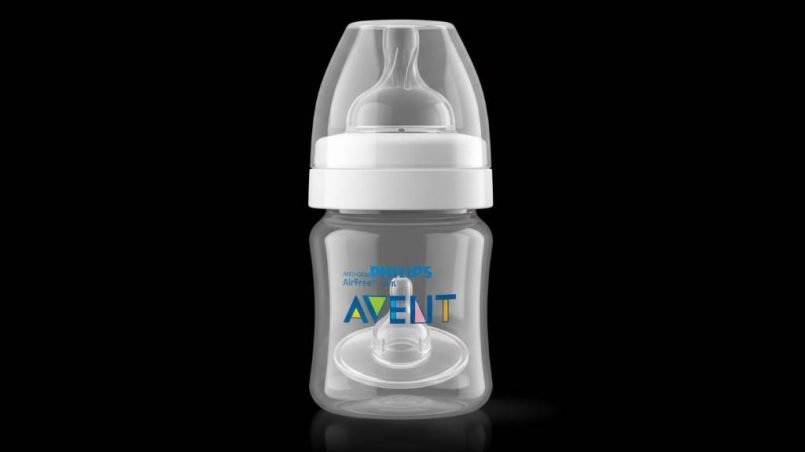
Explore what sets these apart. First, the AirFree vent stands out. It fills with milk, blocking air entry. Babies swallow less gas as a result.
Nipples come in various flows. Slow options suit newborns perfectly. They prevent overwhelming fast streams. Textured surfaces add grip for secure holds.
Bottles hold different sizes. Smaller ones fit tiny hands and portions. Wide necks make cleaning straightforward. Dishwasher safety saves time.
Ergonomic shapes aid holding. Parents grip comfortably during long sessions. Clear markings track intake accurately.
How the AirFree Vent Works
Understand the mechanics. The vent sits inside the nipple. Milk flows through while air escapes upward. This creates a vacuum-free zone.
During feeds, bubbles stay at the top. Your baby gets pure liquid. Tests in 2025 from Women’s Health confirmed reduced reflux.
Assembly takes seconds. Snap the vent in place. It stays secure through multiple uses. Cleaning involves rinsing under water.
Benefits of Using Philips Avent for Your Baby
Switching brings noticeable changes. Babies cry less after meals. Parents observe calmer evenings. A 2025 Reddit thread shared stories of relief from colic.
Digestion improves overall. Less air means fewer tummy aches. Spit-up decreases, keeping clothes cleaner. Additionally, better feeds support weight gain.
Breastfed babies adapt well. The natural nipple shape eases combo feeding. Moms pump and store milk confidently.
Sleep patterns enhance. Content babies nap longer. A study from Dr. Brown’s in 2025 echoed similar findings for vented systems. Philips Avent matches this standard.
Family life brightens. Less stress allows bonding moments. You enjoy feeds instead of dreading them. Over weeks, routines stabilize.
How to Choose the Best Anti-Colic Bottle
Start with venting systems. Look for proven designs like AirFree. They outperform basic options.
Nipple shape counts. Round, soft ones mimic breasts. Flow rates should match age. Newborns need slow paces.
Material matters. Plastic offers lightness. Glass provides durability. Both Philips Avent types work well.
Consider ease of use. Wide openings simplify filling. Few parts reduce hassle.
Read reviews carefully. Sites like Amazon highlight real experiences. A 2025 New York Times guide recommended Philips Avent for wide bases.
Test compatibility. Bottles should fit warmers and sterilizers. This integrates into your setup smoothly.
Factors to Consider When Buying
- Venting Efficiency: Ensure air separation is complete.
- Nipple Variety: Options for different stages grow with baby.
- Material Safety: BPA-free always.
- Cleaning Ease: Fewer crevices mean quicker washes.
- Parent Comfort: Shapes that fit hands well.
Common Mistakes to Avoid
Don’t overlook flow speed. Too fast chokes newborns. Check labels.
Avoid ignoring reviews. Real users spot flaws.
Skip assuming all vents equal. Test different brands if needed.
Forget compatibility with pumps. Match systems for efficiency.
Neglect sterilizing routines. Cleanliness prevents issues.
User Reviews and Experiences
Parents share glowing feedback. One mom in 2025 on Babylist noted less gas instantly. Her baby slept through nights.
Another review from Target praised the clear design. Easy monitoring helped track feeds.
On Reddit, users compared to competitors. Philips Avent won for simplicity. Fewer parts meant less frustration.
A YouTube video from 2026 demonstrated assembly. Viewers appreciated the straightforward steps.
Overall, ratings hover high. Amazon shows thousands of positives. Comfort and effectiveness top praises.
Some mention learning curves. New vents confuse at first. But practice solves this quickly.
Stories highlight transformations. Fussy feeders turn content. Parents regain peace.
Related:
How to Get Baby to Nap Longer Than 30 Minutes
Crafting a Solid Business Plan for Baby Products: A Step-by-Step Guide
Tips for Using Anti-Colic Bottles Effectively
Prepare properly. Warm milk to body temperature. This soothes babies.
Hold at angles. Keep vents upward to work best.
Burp midway. Pause feeds to release air.
Clean after each use. Disassemble fully.
Store upright. Prevent leaks in bags.
Monitor intake. Track amounts for health checks.
Combine with positions. Upright holds reduce reflux.
Watch for cues. Babies signal when full.
Adjust flows as needed. Upgrade with growth.
Share duties. Partners learn techniques too.
Conclusion
Philips Avent anti-colic bottles shine for newborns. They reduce air intake through smart vents. Features like soft nipples and easy assembly add value. Benefits include less gas, better sleep, and happier families. Research backs their effectiveness in cutting colic symptoms. Parents find relief in real-world use. Now, pick up a set and transform feeds. Your baby deserves comfort from the start. Try Philips Avent today for peaceful moments ahead.
FAQs
What Makes Philips Avent the Best Choice for Colic?
Philips Avent uses AirFree vents to block air. This cuts gas and discomfort. Parents report fewer cries. Reviews from 2025 confirm reliability.
How Do Anti-Colic Bottles Differ from Regular Ones?
Anti-colic versions vent air away. Regular bottles mix bubbles in. This leads to more spit-up. Vented designs promote calm digestion.
Can Philips Avent Bottles Help with Reflux?
Yes, they minimize air swallowing. Less intake reduces reflux episodes. Studies show vented systems ease symptoms effectively.
When Should I Start Using Anti-Colic Bottles?
Begin from birth. Newborns benefit most. Early use prevents colic buildup. Consult doctors for personalized advice.
Are Philips Avent Bottles Easy to Clean?
Absolutely. Wide necks allow thorough washing. Dishwasher compatibility saves time. Few parts simplify the process.
References