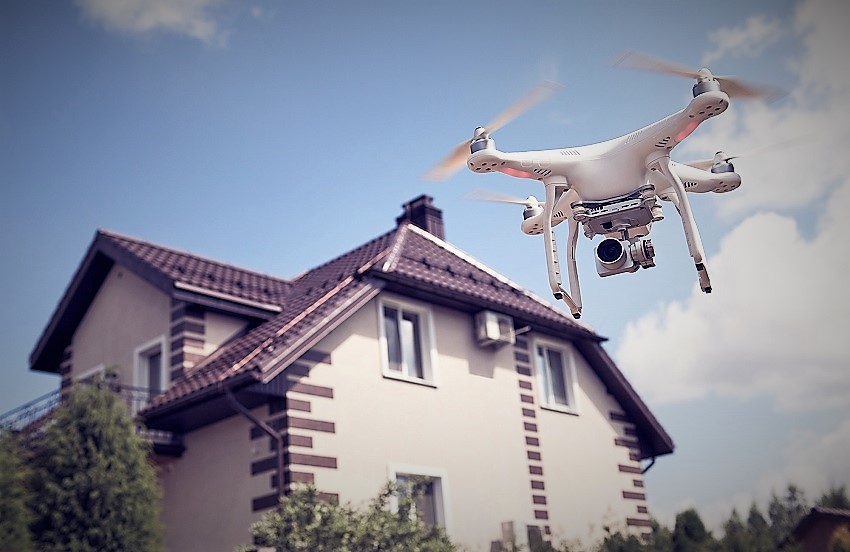
Drones have revolutionized various industries, and one area where they have made a significant impact is real estate photography. Using drones, real estate professionals can capture stunning aerial photographs and videos that give potential buyers a unique perspective of a property. In this article, we will explore the benefits of using drones for real estate photography, discuss how to use the right drone for real estate jobs, highlight best practices, and discuss legal considerations. So, if you’re a real estate agent or an aspiring drone photographer looking to enhance your property listings, keep reading!
Benefits of Using Drones for Real Estate Photography
Aerial Perspective
One of the most significant advantages of using drones for real estate photography is the ability to capture captivating aerial shots. Drones with high-quality cameras can showcase properties from unique angles, giving potential buyers a bird’s-eye view of the surroundings. This perspective helps them better understand the property’s location, nearby amenities, and overall appeal.
High-Quality Visuals
Drones equipped with advanced camera technology can capture high-resolution images and videos. The quality of these visuals is often far superior to what traditional ground-based photography can achieve. Crisp and detailed images help highlight the property’s features, making it more enticing to potential buyers.
Enhanced Property Showcase
With drone photography, real estate professionals can create visually stunning property showcases. Drones can present a comprehensive view of the entire property by capturing sweeping shots of the exterior, gardens, pools, and surrounding landscapes. This immersive experience allows potential buyers to visualize themselves living in the space.
Cost-Effective Solution
Using drones for real estate photography can be a cost-effective alternative to traditional methods. In the past, hiring helicopters or planes for aerial photography was a costly endeavor. Drones provide an affordable solution that still delivers exceptional results. Investing in a quality drone can significantly reduce photography expenses in the long run.
Time-Saving Efficiency
Drone photography allows real estate agents to capture images and videos of a property quickly. A drone can cover a large area in a relatively short time, saving valuable hours compared to traditional ground-based photography. This time-saving efficiency is particularly beneficial when capturing images of expansive properties or showcasing multiple properties daily. Real estate agents can maximize their productivity and allocate their time more effectively.
Choosing the Right Drone for Real Estate Photography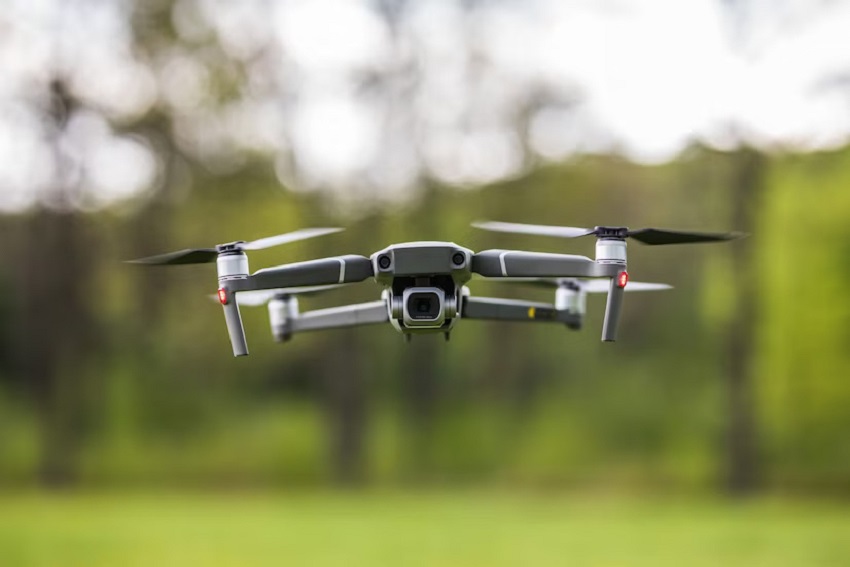
When choosing a drone for real estate photography, several factors must be considered. Selecting the right drone ensures you capture high-quality visuals and have a seamless experience during your photography sessions. Here are some key considerations:
Camera Specifications
The camera is a crucial component of a drone for real estate photography. Look for a drone with a high-resolution camera that can capture photos and videos. Features like adjustable aperture, image stabilization, and a wide-angle lens can further enhance the quality of your shots.
Flight Time and Range
Consider the drone’s flight time and range to ensure that you have sufficient battery life and coverage for your photography needs. Longer flight times allow you to capture more images without frequent interruptions, while a good range lets you explore different perspectives and angles.
Stability and Maneuverability
Stability is vital for capturing clear and steady images. Look for a drone with advanced stabilization features, such as gimbal stabilization or obstacle avoidance technology, to ensure smooth footage even in windy conditions. Additionally, a drone with precise maneuverability will enable you to position the camera precisely for the desired shots.
Portability and Ease of Use
Opt for a portable drone that is easy to transport, as you may need to carry it to different locations for photography sessions. A compact and lightweight drone will be more convenient to handle. Moreover, choose a user-friendly drone with intuitive controls and automated flight modes to simplify the photography process.
Safety Features
Safety should always be a priority when operating a drone. Look for features like return-to-home function, GPS tracking, and obstacle detection to minimize the risk of accidents or losing the drone. Additionally, familiarize yourself with the local regulations regarding drone usage to ensure compliance and safe operations.
Best Practices for Drone Photography in Real Estate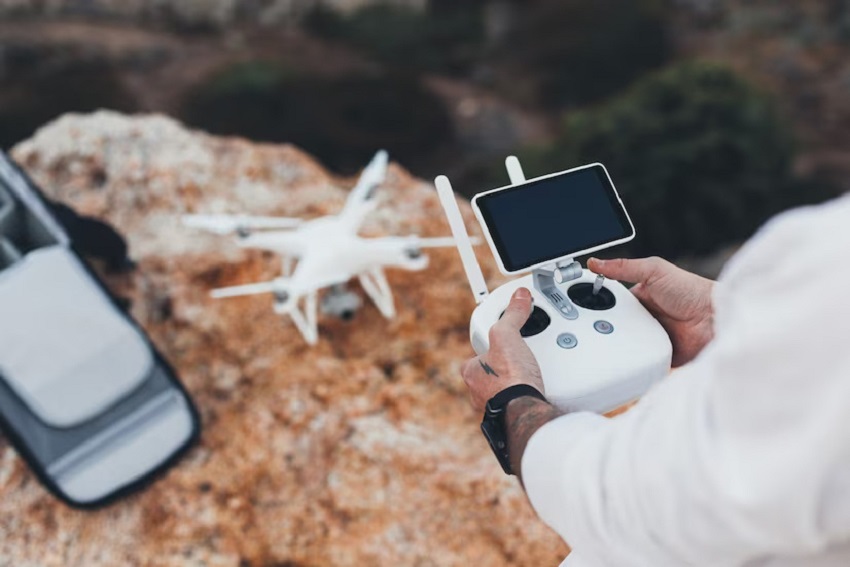
Now that you have a drone and understand the essential considerations let’s delve into some best practices for capturing captivating real estate photographs:
Planning the Shoot
Before heading out to photograph a property, plan your shoot. Familiarize yourself with the property’s layout and features, identify key areas to highlight, and determine the best angles for capturing shots. Consider the time of day for optimal lighting conditions.
Understanding the Property’s Features
To showcase a property effectively, it’s crucial to understand its unique features. Take the time to explore the property and identify its selling points. This knowledge will help you compose shots highlighting the property’s best aspects, such as beautiful gardens, architectural details, or stunning views.
Composing Engaging Shots
Composition plays a vital role in creating visually appealing real estate photographs. Use the rule of thirds to frame your shots, balance the elements within the frame, and create a sense of depth. Experiment with different angles, heights, and perspectives to add variety to your portfolio.
Lighting Considerations
Lighting is key in photography, and drone photography is no exception. Choose the right time of day when the lighting is soft and flattering, typically during the golden hour (early morning or late afternoon). Avoid shooting in harsh midday sunlight, as it can create strong shadows and wash out colors.
Editing and Post-Processing
After capturing your aerial shots, take the time to edit and post-process your images. Use editing software to enhance colors, adjust exposure, and sharpen details. Be careful not to overdo the editing, as you want your photographs to appear realistic and natural.
Legal and Regulatory Considerations for Drone Photography
While drone photography offers tremendous opportunities, it’s crucial to be aware of the legal and regulatory considerations surrounding drone usage in real estate photography. Here are some important points to keep in mind:
FAA Regulations (United States)
In the United States, the Federal Aviation Administration (FAA) regulates the use of drones for commercial purposes, including real estate photography. It is essential to familiarize yourself with the FAA regulations, such as obtaining a Part 107 Remote Pilot Certificate and adhering to specific flight restrictions and altitude limits.
Drone Registration and Licensing
In many countries, including the United States, drones above a certain weight threshold must be registered with the appropriate authorities. Ensure that your drone is registered and you possess the necessary licenses or certifications required by your local aviation authority.
Permission and Privacy Concerns
Before conducting drone photography, always seek permission from property owners or relevant authorities if required. Respect people’s privacy and ensure you are not infringing on their rights. Be mindful of capturing images of neighboring properties or individuals without their consent.
Real Estate Agents and Drone Photography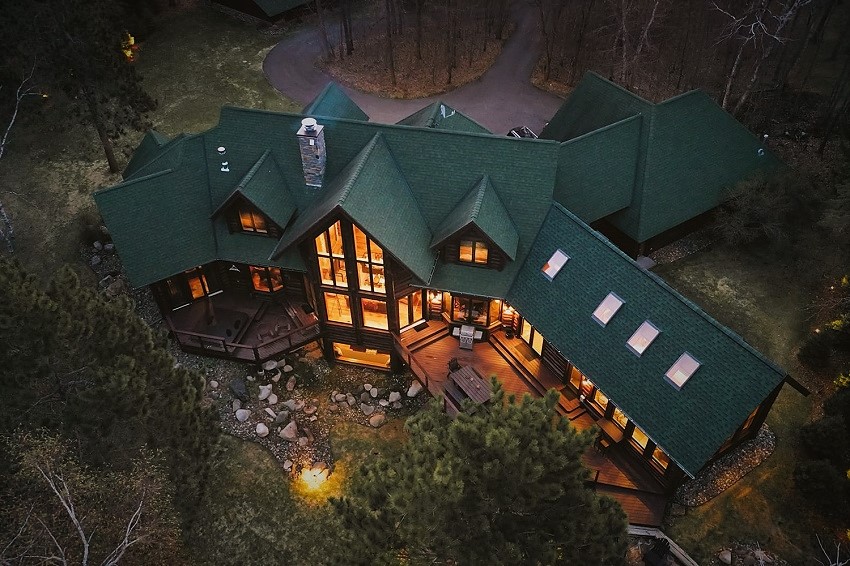
Drone photography can greatly benefit real estate agents in various ways. Here are some advantages that real estate agents can gain by incorporating drone photography into their marketing strategies:
Increasing Property Listings
Using drones for real estate photography helps agents showcase properties visually captivatingly and comprehensively. High-quality aerial shots attract potential buyers and generate more interest in the listings. As a result, real estate agents can increase the number of property listings and improve their chances of making successful sales.
Attracting Potential Buyers
Aerial photographs and videos captured by drones provide potential buyers a unique and immersive viewing experience. By presenting properties from different angles and highlighting their surroundings, agents can capture the attention and imagination of potential buyers, increasing the likelihood of inquiries and property showings.
Marketing and Branding
Incorporating drone photography into marketing materials, such as websites, social media, and brochures, can significantly enhance a real estate agent’s branding and marketing efforts. It conveys a sense of professionalism, innovation, and attention to detail, positioning the agent as a leader in the industry.
Real Estate Photography Trends and Future Outlook
Real estate photography continues to evolve, with new trends and technologies shaping the industry. Here are some emerging trends that are likely to impact real estate photography in the future:
Virtual Tours and 360-Degree Photography
Virtual tours and 360-degree photography provide potential buyers with an immersive experience, allowing them to explore properties from the comfort of their homes virtually. This technology is becoming increasingly popular, offering a convenient and interactive way to view properties.
Augmented Reality Integration
Augmented reality (AR) is transforming the way properties are showcased. Using AR technology, potential buyers can visualize how furniture and decor would look in a space, providing a better understanding of the property’s potential and helping them make informed decisions.
AI and Automation in Editing
Artificial intelligence (AI) advancements are revolutionizing the editing process for real estate photographs. AI-powered software can automatically enhance images, remove objects or imperfections, and generate realistic virtual staging. This streamlines the editing workflow, saving time and improving efficiency.
Enhanced Data Analysis
As technology advances, data analysis plays a more significant role in real estate photography. Analyzing data from aerial imagery can provide valuable insights into property trends, market demand, and buyer preferences. This information can help real estate agents make informed decisions and tailor their marketing strategies.
Conclusion
Drone photography has become an invaluable tool for real estate professionals, providing a unique and engaging way to showcase properties. By capturing aerial perspectives, high-quality visuals, and immersive experiences, drones elevate real estate photography to new heights.