Modern vehicles rely heavily on sensors to function properly. These small but critical components monitor everything from engine performance to tire pressure. When sensors malfunction, your vehicle’s performance can suffer significantly. Understanding how to identify these issues early can save you time, money, and potential safety hazards.
Understanding Vehicle Sensors and Their Importance
Today’s cars contain dozens of sensors working together to keep your vehicle running smoothly. These sensors communicate with your car’s computer system to regulate fuel consumption, monitor emissions, and ensure safety features work correctly. Additionally, they help optimize performance and alert you to potential problems before they become serious.
The average modern vehicle contains between 60 and 100 sensors. Each sensor has a specific job, from monitoring oxygen levels in the exhaust to detecting obstacles around your vehicle. Therefore, when even one sensor fails, it can affect multiple systems in your car.
Common Warning Signs of Sensor Problems
Recognizing sensor malfunctions early is crucial for maintaining your vehicle’s health. However, the symptoms can sometimes be subtle or easily confused with other issues.
Check Engine Light Illumination
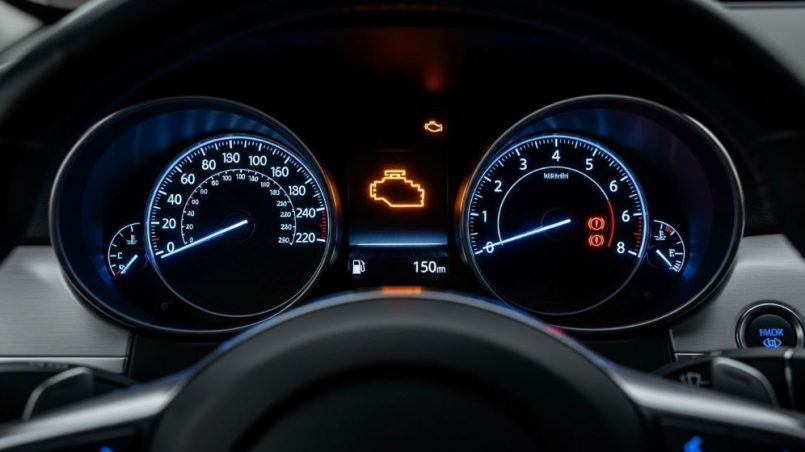
The most obvious sign of a sensor problem is your check engine light. This dashboard warning can indicate various issues, but sensor malfunctions are among the most common causes. Moreover, ignoring this light can lead to more serious problems down the road.
When the check engine light appears, your vehicle’s onboard diagnostic system has detected an abnormality. Subsequently, you should have the error codes read by a professional or use an OBD-II scanner to identify the specific issue.
Decreased Fuel Efficiency
A sudden drop in fuel economy often points to sensor problems. The oxygen sensor, in particular, plays a vital role in regulating fuel consumption. When it malfunctions, your engine may burn more fuel than necessary.
If you notice you are filling up more frequently than usual, a faulty sensor could be the culprit. Furthermore, this issue typically worsens over time if left unaddressed.
Rough Idling or Stalling
Sensors help maintain smooth engine operation at all speeds. When they fail, you might experience rough idling, unexpected stalling, or difficulty starting your vehicle. These symptoms often indicate problems with the mass airflow sensor or throttle position sensor.
Additionally, you may notice your engine hesitating during acceleration. This jerky performance suggests the engine is not receiving accurate data about air intake or throttle position.
Unusual Exhaust Emissions
Black smoke or strong odors from your exhaust can signal sensor malfunctions. A failing oxygen sensor or air-fuel ratio sensor may cause your engine to run too rich or too lean. Consequently, this creates excessive emissions and can damage your catalytic converter.
According to the Environmental Protection Agency, proper sensor function is essential for meeting emission standards and protecting the environment.
Specific Sensor Malfunctions to Watch For
Different sensors produce distinct symptoms when they fail. Understanding these patterns helps you identify problems more quickly.
Oxygen Sensor Failures
Oxygen sensors measure the amount of unburned oxygen in your exhaust. They typically last between 60,000 and 90,000 miles. When they fail, you will likely notice poor fuel economy, rough engine performance, and increased emissions.
Moreover, a bad oxygen sensor can trigger the check engine light while making your car run poorly. This sensor is critical for maintaining the proper air-fuel mixture in your engine.
Mass Airflow Sensor Issues
The mass airflow sensor measures how much air enters your engine. When it malfunctions, your vehicle may experience difficulty starting, poor acceleration, or rough idling. Furthermore, you might notice black exhaust smoke or a decrease in power.
This sensor often becomes contaminated with dirt and oil over time. Therefore, regular air filter changes can help extend its lifespan.
Throttle Position Sensor Problems
Your throttle position sensor tells the engine control unit how far you have pressed the accelerator. Symptoms of failure include sudden idling surges, difficulty changing gears, or the car not accelerating smoothly.
Additionally, you may experience unexpected drops in speed or a complete lack of power. These issues can be dangerous, especially when merging onto highways or passing other vehicles.

Tire Pressure Monitoring Sensor Alerts
Modern vehicles include tire pressure monitoring systems that use sensors in each wheel. When these sensors malfunction, you will see a warning light on your dashboard. However, the actual tire pressure might be fine.
These sensors use batteries that typically last five to ten years. Consequently, older vehicles may need sensor replacements even if the tires are properly maintained.
Diagnostic Steps for Sensor Problems
When you suspect a sensor malfunction, taking the right diagnostic steps is essential. However, some checks you can perform yourself while others require professional equipment.
Using an OBD-II Scanner
An OBD-II scanner connects to your vehicle’s diagnostic port and reads error codes. These codes help pinpoint which sensor is malfunctioning. Many auto parts stores offer free code reading services, making this an accessible first step.
Nevertheless, error codes provide starting points rather than definitive answers. Further investigation is often necessary to confirm the diagnosis.
Visual Inspections
Sometimes sensor problems result from damaged wiring or loose connections. Therefore, a visual inspection can reveal obvious issues like frayed wires, corroded connectors, or physical damage to sensors.
Check for oil leaks, debris buildup, or other environmental factors that might affect sensor performance. Additionally, ensure all electrical connections are secure and free from corrosion.
Professional Diagnostics
Complex sensor issues require professional diagnostics. Mechanics have specialized equipment to test sensor output and verify proper operation. Furthermore, they can identify problems that might not trigger error codes.
Professional diagnostics become particularly important when multiple sensors show problems or when basic troubleshooting does not resolve the issue.
Preventing Sensor Malfunctions
While sensors eventually wear out, proper maintenance can extend their lifespan significantly. However, prevention requires consistent attention to your vehicle’s needs.
Regular Maintenance Schedule
Following your manufacturer’s recommended maintenance schedule helps prevent sensor problems. Regular oil changes, air filter replacements, and tune-ups keep sensors working in optimal conditions. Moreover, these services allow mechanics to spot potential issues early.
According to Consumer Reports, proper maintenance is the single most important factor in vehicle longevity and reliability.
Quality Parts and Fluids
Using quality replacement parts and fluids protects your sensors. Cheap oil or incorrect fluids can contaminate sensors or cause premature failure. Therefore, invest in products that meet your vehicle manufacturer’s specifications.
Additionally, quality parts often come with better warranties, providing peace of mind and financial protection.
Addressing Issues Promptly
When warning lights appear or performance changes occur, address them quickly. Delaying repairs can cause minor sensor issues to escalate into major problems. Furthermore, driving with faulty sensors can damage other components like catalytic converters or engines.
Early intervention typically costs less and prevents more extensive damage to your vehicle.
Conclusion
Recognizing sensor malfunction issues in modern vehicles requires attention to warning signs like check engine lights, decreased fuel efficiency, rough idling, and unusual emissions. Different sensors produce distinct symptoms when they fail, from oxygen sensor problems causing poor fuel economy to throttle position sensor issues creating acceleration difficulties. Using diagnostic tools like OBD-II scanners, performing visual inspections, and seeking professional help when needed ensures proper identification of sensor problems. Moreover, following regular maintenance schedules, using quality parts, and addressing issues promptly helps prevent sensor malfunctions and extends your vehicle’s lifespan. By staying vigilant and proactive, you can maintain your vehicle’s performance, safety, and reliability for years to come.
Frequently Asked Questions
How much does it cost to replace a faulty sensor?
Sensor replacement costs vary widely depending on the type of sensor and your vehicle. Basic sensors like oxygen sensors typically cost between 200 and 400 dollars including labor. However, more complex sensors like mass airflow sensors can cost 300 to 500 dollars. Luxury vehicles often have higher repair costs due to specialized parts and labor requirements.
Can I drive with a faulty sensor?
While you can often drive with a malfunctioning sensor, it is not recommended. Faulty sensors can decrease fuel efficiency, increase emissions, and potentially cause damage to other components. Additionally, some sensor failures can affect safety features or cause performance issues that make driving dangerous. Therefore, have sensor problems diagnosed and repaired as soon as possible.
How long do vehicle sensors typically last?
Sensor lifespan varies by type and driving conditions. Oxygen sensors generally last 60,000 to 90,000 miles. Mass airflow sensors can last 100,000 miles or more with proper maintenance. Tire pressure monitoring sensors typically last five to ten years. However, harsh driving conditions, poor maintenance, or contamination can shorten these lifespans significantly.
Will a sensor problem cause my car to fail emissions testing?
Yes, sensor malfunctions frequently cause emissions test failures. Oxygen sensors, air-fuel ratio sensors, and catalytic converter monitors directly affect emissions. Moreover, even if your actual emissions are acceptable, a check engine light caused by sensor issues will result in automatic test failure in most jurisdictions. Therefore, repair sensor problems before scheduling emissions testing.
Can I clean sensors instead of replacing them?
Some sensors can be cleaned successfully, particularly mass airflow sensors. Specialized cleaning sprays can remove dirt and oil buildup, restoring proper function. However, many sensors cannot be effectively cleaned and require replacement. Oxygen sensors, for example, rarely benefit from cleaning attempts. Consult a professional to determine whether cleaning or replacement is the appropriate solution for your specific sensor issue.
Related Topics:
ESSENTIAL CHECKS BEFORE A LONG VAN JOURNEY