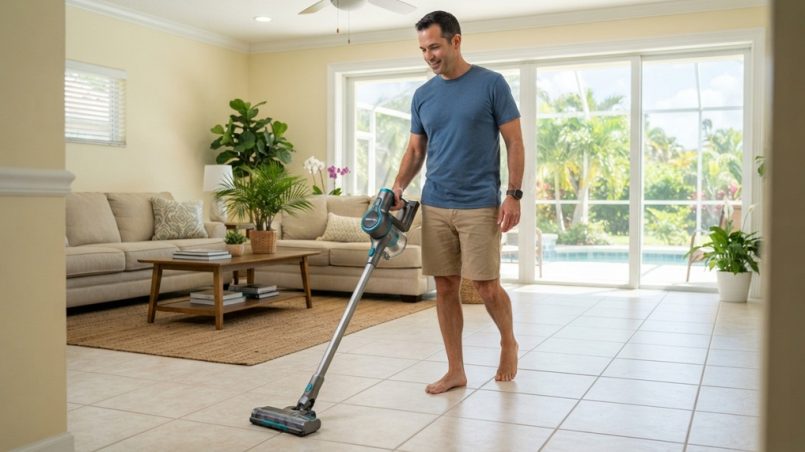
Living in Florida comes with its own set of cleaning challenges. Between the fine sugar sand that sneaks in from the beach, the pollen that coats everything in spring, and the humidity that seems to make every speck of dust cling to the floor, a reliable vacuum isn’t optional it’s essential. But if you’re shopping on a budget, you might feel stuck between paying premium prices for a big-name cordless model or settling for a cheap stick vac that dies after ten minutes. The good news is that you don’t have to make that trade-off. This guide will walk you through exactly what to look for, what to avoid, and how to choose the best budget cordless vacuums for Florida homes without wasting your money on a model that can’t handle the unique demands of the Sunshine State.
Why Florida Homes Need a Specific Type of Cordless Vacuum
Before you start comparing prices, it helps to understand why your location matters. A cordless vacuum that works perfectly in a dry, low-humidity state like Arizona might struggle in Florida. The primary culprit is moisture. High humidity can affect battery performance and cause fine particles like sand to clump inside the dustbin. Additionally, Florida homes often feature tile, luxury vinyl plank (LVP), and travertine flooring rather than wall-to-wall carpet. This means you need a vacuum with strong suction on hard floors but also the ability to handle area rugs and transition strips without bogging down.
The Sand and Dust Factor
Florida sand is notoriously fine and heavy. It doesn’t just sit on the surface; it settles deep into carpet fibers and grinds into tile grout. A budget vacuum with a weak brush roll will simply push the sand around. Look for models with a direct-drive brush roll or a hard floor setting that increases suction power at the nozzle. Also, consider the dustbin capacity. Because sand is dense, it fills up a small dustbin quickly. A 0.5-liter bin might require emptying three times during a single cleaning session in a two-bedroom condo.
Battery Life in Humid Climates
Heat and humidity degrade lithium-ion batteries faster than dry climates. While you can’t change the chemistry, you can choose a vacuum with a removable battery. This allows you to purchase a second battery later without replacing the entire unit. For a budget model, a runtime of 20–30 minutes in standard mode is acceptable, but you should avoid models that only offer a “max” power mode with no standard setting, as these often die in under 10 minutes.
Choosing a Budget Cordless Vacuum for Florida Homes
Navigating the unique cleaning challenges of a sunlit coastal environment—from tracked-in beach sand to persistent pet hair—requires prioritizing performance features that balance affordability with everyday efficiency. When evaluating budget-friendly models, focus heavily on battery runtime, suction retention, and specialized filtration systems designed to capture fine dust without clogging. Blending seamlessly into your daily household maintenance, a lightweight, battery-powered stick vacuum lets you sweep seamlessly from room to room without wrestling with tangled cords, much like how Chicago residents optimize outdated home layouts to manage weak indoor signals and improve overall functionality. Ultimately, selecting the right machine protects your floors from abrasive grit while keeping your living spaces effortlessly pristine on any budget.
Suction Power and Air Watts
Don’t get distracted by the motor’s RPM or the voltage of the battery. The real measure of cleaning ability is air watts (AW) or suction pressure (Pa). For budget models, look for at least 15–20 AW or 10,000–15,000 Pa of suction. This is sufficient for hard floors and low-pile rugs. If a product listing doesn’t mention air watts, it’s often a sign that the suction is weak. Be wary of vacuums that only advertise “high-powered suction” without providing a measurable number.
Weight and Balance
In a two-story Florida home with stairs, weight matters. A budget vacuum that weighs over 7 pounds will feel heavy by the time you reach the top landing. However, lighter isn’t always better. A vacuum that is too light often lacks the motor power to clean effectively. Look for a weight between 5.5 and 7 pounds. Also, pay attention to the handle design. A vacuum with the battery at the bottom and the motor at the top will feel top-heavy and awkward to maneuver under furniture.
Filtration System
Florida homes often deal with allergens like pollen and mold spores due to the humidity. A budget vacuum with a basic foam filter will release these particles back into the air. Look for a model with a HEPA filter or at least a washable cyclonic filter. While true HEPA filtration is rare at the lowest price points, a sealed system with a washable filter is a good compromise. Remember that you will need to clean these filters monthly to maintain suction.
Comparing Cordless vs. Corded for Budget Shoppers
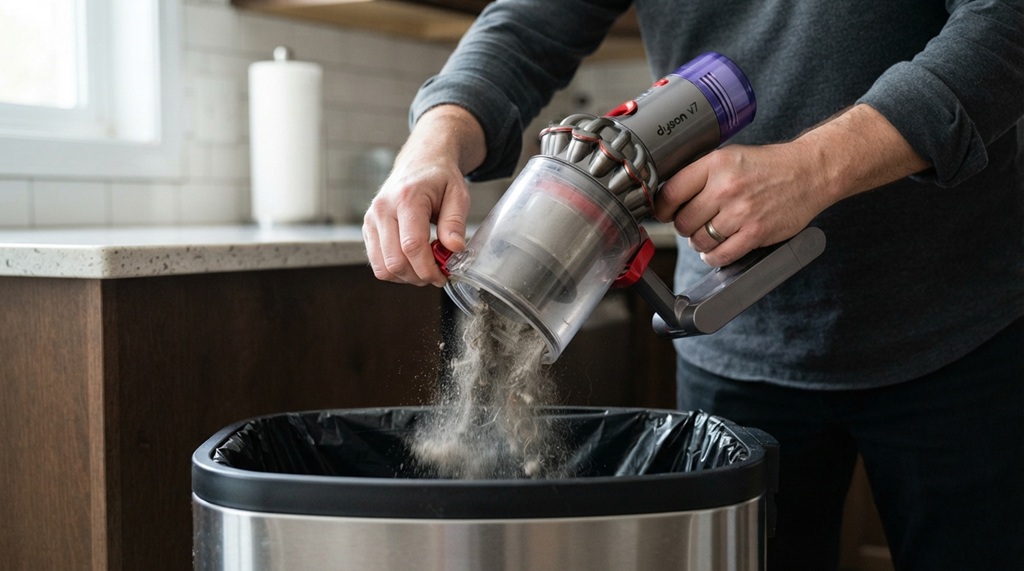
It’s easy to assume that cordless is always better, but for a tight budget, you should consider the trade-offs. A corded vacuum will always provide more suction power for the same price. A $100 corded vacuum will outperform a $100 cordless vacuum in terms of raw cleaning ability. However, cordless vacuums offer convenience and are safer to use on stairs. If you have a small apartment with mostly hard floors, a budget cordless model is a great choice. If you have a large home with lots of carpet, you might need to stretch your budget or consider a hybrid approach using a corded vacuum for deep cleans and a cordless stick for quick daily pickups.
Runtime vs. Charging Time
One of the most overlooked specifications is charging time. Some budget vacuums take 4–5 hours to charge but only run for 15 minutes. This is a terrible ratio. Look for a vacuum that charges in 3 hours or less for a 25-minute runtime. If you see a model that charges for 6 hours, you will likely get frustrated and stop using it. Also, check if the vacuum has a “fast charge” feature that gives you 5 minutes of power after a 15-minute charge this is useful for quick touch-ups.
Common Mistakes to Avoid When Buying on a Budget
Many shoppers end up disappointed because they fall for marketing gimmicks or ignore practical limitations. Here are the most common mistakes to avoid.
Ignoring the Accessories Included
A budget vacuum that comes with a crevice tool and a dusting brush is more valuable than one that only has a floor head. In Florida, you will need a crevice tool to clean the tracks of sliding glass doors where sand accumulates. Check the included accessories before you buy. If the vacuum doesn’t include a crevice tool, you’ll have to spend extra money to buy one separately, which defeats the purpose of a budget purchase.
Forgetting About Warranty and Support
Budget vacuums often have shorter warranties, but you should still expect at least a one-year warranty on the motor and battery. Avoid brands that offer only a 90-day warranty. Also, check if the brand has a US-based customer service line. If you have to ship the vacuum to a foreign warehouse for repairs, it’s not worth the hassle. A good budget vacuum is one that you can easily replace parts for, like filters and batteries.
Choosing a “Pet” Model When You Don’t Have Pets
Pet-specific models often come with a premium price tag due to specialized brush rolls that resist tangling. If you don’t have pets, you don’t need this feature. Save your money and buy a standard model. Conversely, if you do have pets, don’t skip the tangle-free brush roll. Florida’s humidity can make pet hair clump and wrap around a standard brush roll, causing the vacuum to stop working mid-clean.
Practical Tips for Getting the Most Out of Your Budget Vacuum
Once you’ve chosen a budget cordless vacuum, you need to maintain it properly to ensure it lasts. Here are some practical steps to keep your vacuum performing well.
Clean the Filter Regularly
In Florida’s humid climate, filters can develop mold or mildew if left wet. After washing the filter, let it dry completely for at least 24 hours before putting it back in the vacuum. If you vacuum up wet debris, clean the filter immediately. A clogged filter reduces suction by up to 50%, making your budget vacuum perform like a toy.
Store the Battery Properly
Don’t leave your cordless vacuum on the charger all the time. This degrades the battery. Instead, charge it fully, use it until it’s depleted, and then charge it again. If you live in a garage or a hot storage area, bring the vacuum inside. Extreme heat can permanently damage the battery cells. A cool, dry closet is the best storage spot.
Use the Right Setting for the Floor
If your budget vacuum has a brush roll shut-off function, use it. Running the brush roll on hard floors at high speed can scatter sand and dust. It also drains the battery faster. Turn off the brush roll for tile and wood floors, and only engage it for rugs and carpets. This simple habit can extend your runtime by 30%.
Frequently Asked Questions
Can a budget cordless vacuum handle area rugs?
Yes, but only low-pile and medium-pile rugs. Budget cordless vacuums generally lack the suction power to deep-clean high-pile shag carpets. If you have thick rugs, look for a model with a motorized brush roll and at least 15 AW of suction. For high-pile rugs, you may need to use a corded vacuum for periodic deep cleaning.
How long should a budget cordless vacuum last?
With proper maintenance, a budget cordless vacuum should last 2–3 years. The battery is typically the first component to fail. If you choose a model with a removable battery, you can extend the life of the vacuum by replacing the battery rather than buying a new unit. Filters and brush rolls should be replaced every 6–12 months depending on usage.
Is it worth buying a refurbished cordless vacuum?
Refurbished models can be a great way to save money, but only if they come with a warranty. Look for refurbished units sold directly by the manufacturer or a reputable retailer that offers a 90-day return policy. Avoid refurbished vacuums that don’t include a new battery, as the battery is often the reason the unit was returned in the first place.
What is the ideal dustbin capacity for a Florida home?
For a small apartment, 0.3–0.5 liters is sufficient. For a house with multiple rooms, look for a dustbin of 0.6 liters or more. Remember that sand and dirt are dense, so they fill the bin faster than pet hair. If you find yourself emptying the bin constantly, you may need to look for a model with a larger capacity, even if it costs slightly more.
Can I use a cordless vacuum to clean my car?
Yes, and this is one of the best uses for a budget cordless vacuum. The portability makes it easy to vacuum the interior of your car, especially the sand that accumulates on floor mats. Just ensure the vacuum has a crevice tool and a brush attachment for the dashboard. Be aware that car interiors get hot in Florida, so don’t leave the vacuum in the car for extended periods.
Conclusion
Finding the right budget cordless vacuum for a Florida home is about matching the tool to your specific environment. You need a model with adequate suction for fine sand, a washable filter to handle humidity-related allergens, and a battery that can last long enough to clean your living space in one session. Avoid getting distracted by flashy features you don’t need, and focus on the fundamentals: air watts, battery runtime, weight, and included accessories. By setting realistic expectations and maintaining your vacuum properly, you can keep your floors clean without overspending. Take your time, compare a few models side-by-side, and prioritize the features that address the unique challenges of your home.