Coastal fishing is one of the most rewarding outdoor activities you can enjoy. The sound of waves, the smell of salt air, and the thrill of a strike make every trip memorable. However, choosing the right lure kit can feel overwhelming, especially with so many options available. This guide breaks everything down in plain language so you can make a smart, confident choice before your next trip to the shore.
Why the Right Lure Kit Makes a Difference
Not all lures work in all conditions. Saltwater environments are harsh, unpredictable, and full of variables. The type of fish you are targeting, the water depth, the current, and the time of day all influence what will work best. Therefore, buying a well-matched lure kit is not just convenient — it is essential.
A good kit gives you variety without the guesswork. Instead of buying individual lures one at a time, a kit bundles together complementary styles and sizes. This means you are ready for changing conditions without having to make another trip to the tackle shop.
Understanding the Coastal Environment
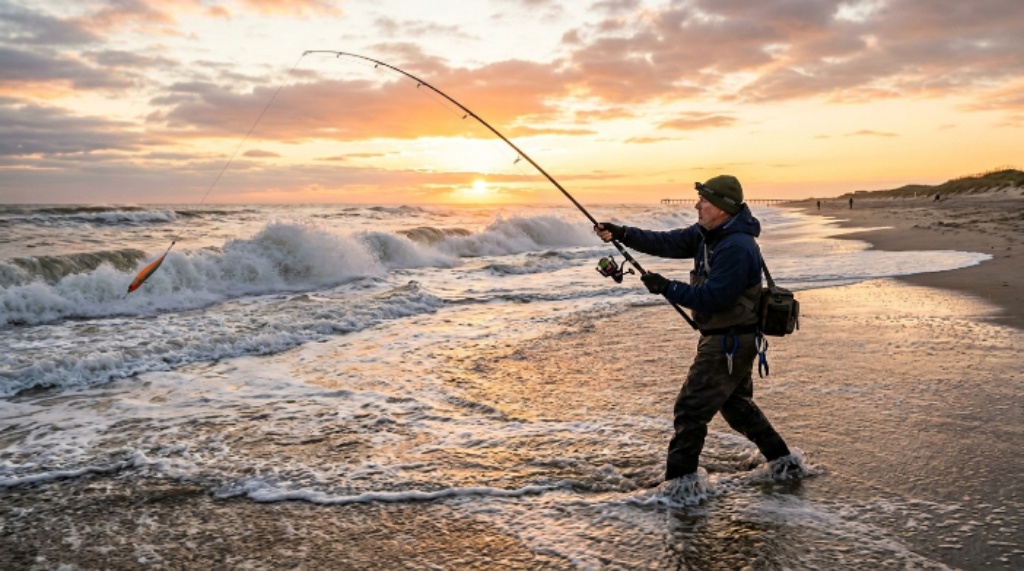
Before choosing a kit, it helps to understand where you will be fishing. Coastal fishing covers a wide range of environments. Calm bays, rocky jetties, sandy beaches, and open surf all call for different approaches.
In shallow, calm water, lighter lures work best. They sink slowly and mimic the natural movement of small baitfish or shrimp. In contrast, deeper water or strong surf conditions require heavier lures that can cut through the current and reach the strike zone. Knowing your environment narrows your choices significantly and helps you pick a kit that fits your specific needs.
Key Types of Lures Found in Saltwater Kits
Most quality saltwater lure kits include a mix of lure styles. Each type serves a different purpose. Here is what you are likely to find and when to use each one.
Soft Plastic Lures
Soft plastics are among the most versatile lures available. They come in shrimp, crab, and baitfish shapes. These lures move naturally in the water, which makes them highly effective. Additionally, they work well across a wide range of species, from redfish and flounder to striped bass and snook. Soft plastics are a must-have in any coastal kit.
Spoons
Spoons are simple, curved metal lures that flash and wobble as they move through the water. They are excellent for targeting fast-moving predators like bluefish, Spanish mackerel, and jack crevalle. Their reflective surface mimics an injured baitfish, which triggers aggressive strikes. Therefore, a kit with a few spoon sizes gives you a reliable go-to option in most coastal situations.
Topwater Plugs
Topwater plugs create surface commotion and are incredibly exciting to fish. When a large redfish or snook explodes on a surface lure, it is a moment you will not forget. These lures work best during low-light conditions — early morning, late evening, or overcast days. Many surf fishing lures fall into this category, and no coastal kit is complete without at least one or two topwater options.
Jigs
Jigs are weighted lures with a hook and a soft or feathered body. They are among the most adaptable pieces of ocean fishing gear you can carry. You can bounce them along the bottom, swim them at mid-depth, or let them drift in the current. Jigs work for a huge variety of species and are especially effective when fish are holding close to the bottom.
Crankbaits and Swimmers
Crankbaits have a lip that causes them to dive and wiggle as you retrieve them. Swimmers move with a side-to-side action that closely imitates a swimming baitfish. Both styles are effective when fish are actively feeding in the mid-water column. Many saltwater bait kits include at least one or two of these for added versatility.
What to Look for When Buying a Saltwater Lure Kit
Shopping for lure kits is easier when you know what features matter most. Keep these factors in mind as you browse your options.
Corrosion-Resistant Hardware
Saltwater is extremely corrosive. Hooks, split rings, and swivels made from standard steel will rust quickly. Look for kits that use stainless steel or tin-coated hooks. High-quality hardware lasts longer and performs better, which saves you money in the long run.
Lure Weight Range
A good kit should cover a range of weights. Lighter lures, around a quarter to half an ounce, work well in calm, shallow conditions. Heavier lures, from one to three ounces, are needed for deeper water or heavy surf. Having both in your kit means you are prepared for almost any situation.
Species Versatility
Some kits are built for specific targets, like redfish or striped bass. Others are designed to work across a broad range of coastal species. If you fish different locations or target multiple species throughout the season, a versatile multi-species kit offers better value. However, if you always fish the same area for the same species, a targeted kit may serve you better.
Kit Size and Storage
Consider how many lures you actually need. A beginner kit with 20 to 30 lures is usually plenty to start. More experienced anglers might prefer a larger assortment of 50 or more pieces. Additionally, look at how the kit is packaged. A sturdy tackle box or organized tray makes it easy to find the right lure quickly without digging through a tangled mess.
Matching Lures to Common Coastal Target Species
Understanding which lures work for specific fish helps you use your kit more effectively.
- Redfish respond well to weedless soft plastics and gold spoons in shallow grass flats.
- Striped bass hit topwater plugs, large swimbaits, and bucktail jigs along rocky coastlines and in surf zones.
- Flounder prefer slow-moving soft plastics or jigs bounced along sandy or muddy bottoms.
- Bluefish and Spanish mackerel are aggressive surface feeders that strike shiny spoons and fast-moving topwater lures.
- Snook love soft plastic shrimp imitations and shallow-diving plugs near structure like docks, bridges, and mangroves.
This kind of species-specific knowledge helps you reach for the right lure quickly instead of cycling through your entire kit on every cast.
Tips for Getting the Most Out of Your Lure Kit
Owning a great kit is only half the battle. How you use it matters just as much.
- Change lures often if you are not getting bites. Fish can be selective, and a small change in size or color can make a big difference.
- Pay attention to water clarity. In clear water, use natural colors like white, silver, or chartreuse. In murky water, brighter colors like orange or red are more visible.
- Match the size of your lure to the local baitfish. If small finger mullet are in the area, use a smaller lure. If large menhaden are present, size up.
- Rinse your lures with fresh water after every trip. This removes salt and sand, which can dull hooks and damage lure finishes over time.
- Replace hooks when they show rust or dullness. Even the best lure will not perform well on a dull hook.
Budget Versus Quality: Finding the Right Balance
Lure kits range from budget-friendly starter sets to premium professional assortments. You do not need to spend a lot of money to catch fish. However, extremely cheap kits often use low-quality hooks and weak hardware that fail under pressure.
A mid-range kit priced between $25 and $60 typically offers a solid balance of quality and variety. These kits usually include corrosion-resistant hooks, a good mix of lure styles, and durable packaging. As your skills grow, you can upgrade individual lures and build a more specialized collection over time.
Conclusion
Choosing the right saltwater fishing lure kit does not have to be complicated. Start by understanding the environment where you plan to fish. Then look for a kit that offers a variety of lure styles, corrosion-resistant hardware, and a useful range of weights. Match your lures to your target species, take care of your gear after each trip, and stay flexible on the water.
Whether you are working the surf with surf fishing lures, drifting jigs in a calm bay, or casting spoons along a rocky jetty, the right kit puts you in the best position to succeed. Quality ocean fishing gear and well-chosen saltwater bait kits are investments that pay off every time you hear that reel sing.
Frequently Asked Questions
What is the best all-around lure for coastal saltwater fishing?
Soft plastic lures are arguably the most versatile option for coastal fishing. They work for a wide range of species, in various water depths, and in both calm and rough conditions. A few different sizes and colors cover most situations you are likely to encounter.
How many lures should a beginner kit include?
A starter kit with 20 to 30 lures is ideal for beginners. This gives you enough variety to experiment without becoming overwhelming. As you learn what works in your local waters, you can add more specialized options over time.
Are cheap saltwater lure kits worth buying?
Very inexpensive kits often use hooks and hardware that corrode quickly in saltwater. They may still catch fish, but they tend to fall apart faster. A mid-range kit offers much better durability and performance for only a modest increase in price.
How do I know what color lure to use?
Water clarity is the best guide. Use natural, subdued colors in clear water and brighter, more visible colors in murky or stained water. Additionally, matching the color of local baitfish is always a reliable starting point.
Can I use freshwater lures in saltwater?
Some freshwater lures can work in saltwater environments, but they are not built to handle the corrosive conditions. The hooks and hardware will rust quickly. It is always better to use lures specifically designed for saltwater use, as they are built with corrosion-resistant materials.
Related Topics:
How to Find the Best Budget Fishing Rod and Reel Combo for Beginners
How to Prevent Fogging in Fishing Sunglasses During Humid Days