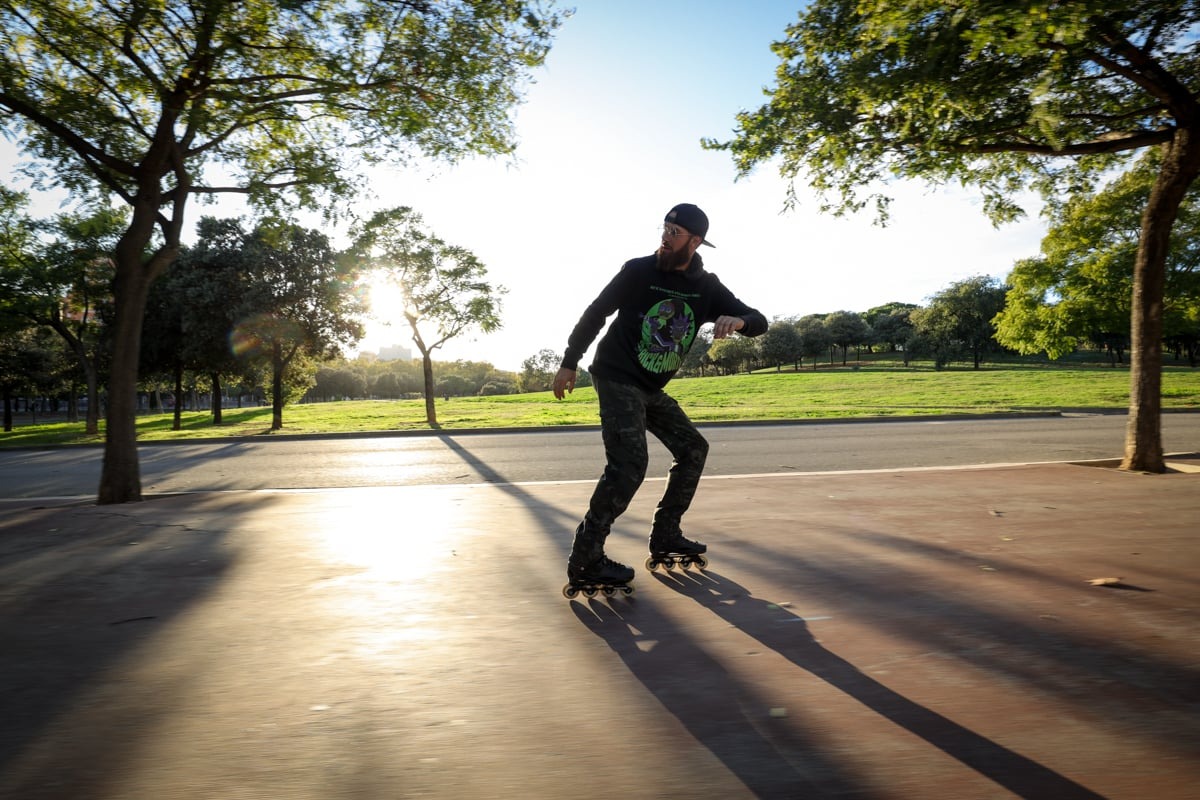
Mastering how to generate speed for advanced maneuvers is a game-changer in sports like surfing, skateboarding, snowboarding, and even racing. Whether you’re carving waves, landing complex aerials, or maneuvering tight corners, speed is the foundation of execution. Without it, even the best tricks fall flat.
In this guide, we’ll break down the mechanics behind generating speed, diving deep into physics, biomechanics, and real-world techniques used by elite athletes. By the end, you’ll have the insights and tools necessary to unlock your full potential.
And if you’re a surfer, having the right Cool Surfing Gear can make all the difference in maximizing speed and performance. Let’s dive in!
Understanding the Science Behind Speed
Speed doesn’t just happen. It’s the result of various forces working together—gravity, friction, momentum, and aerodynamics. Each of these factors plays a role in different sports.
- Momentum: The key to keeping speed through maneuvers. Momentum is mass in motion, and understanding how to carry it efficiently is crucial.
- Gravity: In sports like snowboarding and surfing, gravity helps generate speed by pulling you downhill or through waves.
- Friction & Resistance: Too much friction slows you down; reducing resistance optimizes speed. This is why waxed surfboards, aerodynamic cycling gear, and smooth bearings in skateboards matter.
- Body Mechanics: Athletes use body positioning, weight distribution, and explosive movements to maximize speed.
Understanding these principles allows you to manipulate them to your advantage.
Fundamental Techniques for Speed Generation
Body Positioning and Weight Shifts
A slight shift in weight can make the difference between a smooth, powerful ride and a sluggish performance.
- Leaning forward increases acceleration, while leaning back can act as a brake.
- Engaging your core provides better stability, allowing for controlled speed bursts.
- Bending your knees lowers your center of gravity, reducing drag and improving maneuverability.
Elite skateboarders, surfers, and snowboarders all master weight distribution to maximize speed in transitions and turns.
Pumping for Speed
Pumping is a universal technique across multiple sports.
- In surfing, pumping involves shifting weight between the front and back foot while engaging the rail to generate speed down the line.
- In skateboarding, pumping on transitions helps build momentum without pushing.
- In snowboarding, flexing and extending the knees while carving helps maintain speed in deep powder or halfpipes.
Proper pumping allows you to generate speed without external forces like paddling or pushing.
Maximizing Equipment Performance
The right gear can significantly impact your speed.
- Surfboards: A narrow, streamlined shape with sharp rails and minimal rocker cuts through water more efficiently.
- Skateboards: Harder wheels and precision bearings reduce friction and increase roll speed.
- Snowboards: A stiffer board with a well-waxed base reduces drag and enhances glide.
If you’re into water sports, knowing how to make a hooded towel poncho can keep you warm after an intense surf session, ensuring you maintain peak performance every time you hit the waves.
Sport-Specific Speed Techniques

Surfing: Generating Speed on a Wave
Speed is everything in surfing. Without it, you can’t perform advanced tricks like aerials, cutbacks, or barrels.
- Finding the power zone: The steepest part of the wave has the most energy. Staying here maximizes speed.
- Rail engagement: Carving with your rails instead of flat-riding maintains momentum.
- Timing turns: Executing maneuvers at the right moment prevents unnecessary speed loss.
Pro surfers like Gabriel Medina and Italo Ferreira master these techniques to dominate competitions.
Skateboarding: Speed Control in Bowls and Streets
Skaters use several methods to keep their momentum in check.
- Carving: Wide, controlled turns help maintain speed in pools and bowls.
- Push efficiency: Strong, deep pushes generate maximum speed with minimal effort.
- Tic-tacs and kick-turns: Small, controlled movements help increase momentum without pushing.
Skateboarding legend Tony Hawk emphasizes that mastering speed control is essential for executing complex tricks smoothly.
Snowboarding: Maintaining Speed in Carves and Jumps
Speed in snowboarding determines how well you clear jumps and navigate steep terrain.
- Edge control: Proper carving techniques help maintain speed on turns.
- Waxing: A well-waxed board glides faster, especially in slushy or sticky conditions.
- Aerial entry: Hitting jumps with speed ensures enough lift for tricks and smooth landings.
Shaun White’s Olympic performances showcase how speed plays a critical role in halfpipe and slopestyle events.
Cycling: Boosting Speed with Aerodynamics
In cycling, air resistance is the biggest enemy of speed.
- Tucking position: Reducing frontal surface area cuts down drag.
- Cadence optimization: Maintaining an efficient pedal stroke increases speed without extra effort.
- Bike setup: Lightweight frames and aerodynamic wheels enhance speed performance.
Professional cyclists like Tadej Pogačar fine-tune these elements to gain an edge in races.
Common Mistakes That Kill Speed
Even seasoned athletes make errors that slow them down.
- Poor body positioning: Standing too upright increases wind resistance.
- Overusing brakes: Dragging brakes unnecessarily kills momentum.
- Incorrect weight distribution: Shifting weight improperly can cause stalling instead of acceleration.
Avoiding these mistakes helps maintain a smooth, fast ride.
Pro Tips for Unlocking Maximum Speed
- Practice explosive starts: A powerful takeoff sets the tone for maintaining speed.
- Strengthen leg muscles: Stronger legs improve push-off power in all sports.
- Train with resistance: Weighted training can improve acceleration in real conditions.
Top athletes dedicate hours to refining these skills to maximize their speed potential.
FAQs
How does body positioning affect speed?
Proper body positioning reduces drag, optimizes momentum, and enhances maneuverability, leading to faster, smoother rides.
What is the best way to generate speed on a surfboard?
Staying in the power zone, engaging rails, and mastering pumping techniques help generate and maintain speed on a wave.
How can I improve my skateboarding speed?
Deep, efficient pushes, smooth carving, and correct weight distribution enhance speed on a skateboard.
Why do cyclists crouch while riding?
A tucked position minimizes air resistance, allowing cyclists to maintain higher speeds with less effort.
How often should I wax my snowboard for better speed?
Regular waxing (every 3-5 rides) ensures a smooth glide and prevents drag on the snow.
Does pumping work in all board sports?
Yes! Pumping is a universal technique in surfing, skateboarding, and snowboarding to generate momentum without external forces.
Final Thoughts
Speed is the foundation of advanced maneuvers across multiple sports. Whether you’re a surfer carving waves, a skater mastering transitions, or a snowboarder landing aerials, understanding how to generate speed for advanced maneuvers is essential.
By applying the techniques covered in this guide—body positioning, pumping, proper gear selection, and avoiding common mistakes—you’ll be able to unlock greater speed and control, taking your skills to the next level.
Ready to put these techniques to the test? Gear up with the best equipment, fine-tune your approach, and start pushing your limits today!
Read More:
Using Exercise Ropes for Outdoor Bootcamp Style Workouts