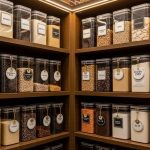
Living gluten-free doesn’t have to drain your bank account. Many people believe that avoiding gluten means spending twice as much on groceries. However, smart shopping strategies and careful planning can help you maintain a healthy diet without financial stress. The key lies in understanding which foods offer the best value while meeting your dietary needs.Building a well-stocked pantry forms the foundation of successful gluten-free living. When you have essential ingredients on hand, you can create delicious meals without constant trips to specialty stores. Additionally, buying staples in bulk and choosing versatile ingredients stretches your food budget significantly. This approach saves both time and money in the long run.
Understanding the True Cost of Gluten-Free Living
The gluten-free lifestyle gained popularity over the past decade for various health reasons. Some people have celiac disease requiring strict gluten avoidance. Others experience non-celiac gluten sensitivity causing uncomfortable symptoms. Meanwhile, many individuals simply feel better without gluten in their diets.
Specialty gluten-free products often carry premium price tags that shock new shoppers. A loaf of gluten-free bread can cost three times more than regular bread. Similarly, gluten-free pasta and baking mixes typically exceed conventional product prices. These high costs stem from specialized ingredients and smaller production runs.
However, naturally gluten-free whole foods cost the same as their gluten-containing counterparts. Rice, beans, potatoes, and fresh produce fit any budget regardless of dietary restrictions. Therefore, focusing on these natural options rather than processed alternatives saves substantial money. This strategy also tends to improve overall nutrition and health outcomes.
Many expensive gluten-free products simply replace wheat with alternative flours and starches. You can purchase these base ingredients separately for much less money. Furthermore, making your own mixes and baked goods costs a fraction of store-bought versions. Initial investment in basic ingredients pays off quickly through repeated use.
Understanding label reading helps you identify hidden gluten and avoid unnecessary purchases. Many products are naturally gluten-free but don’t advertise this fact prominently. Conversely, some items labeled gluten-free offer no real value over regular versions. Smart shopping means recognizing when premium pricing makes sense and when it doesn’t.
Essential Grains and Starches for Your Foundation
Stocking versatile grains and starches provides the base for countless meals. These ingredients store well and offer excellent value per serving. Additionally, they provide energy and nutrition essential for daily activities. Choose options that work across multiple recipes to maximize their utility.
Rice stands as the most economical gluten-free grain worldwide. Brown rice offers more nutrients and fiber than white rice. However, white rice digests more easily and costs less in most markets. Buying rice in large bags from international markets significantly reduces per-pound costs. Furthermore, rice serves as a base for both main dishes and side dishes.
Potatoes provide incredible value and versatility in any pantry. Regular white potatoes, sweet potatoes, and russet potatoes each bring unique flavors and textures. Moreover, potatoes store well in cool, dark places for weeks or months. You can bake, mash, roast, or fry them for endless meal possibilities.
Corn products including cornmeal, polenta, and grits cost very little per serving. These ingredients create satisfying breakfast porridges, side dishes, and baking components. Additionally, corn tortillas and taco shells offer inexpensive alternatives to wheat-based wraps. Look for these items in the international or Hispanic foods section for better prices.
Oats naturally lack gluten but often face cross-contamination during processing. Certified gluten-free oats cost slightly more than regular oats but remain affordable. They make excellent breakfast porridge, add texture to baked goods, and create nutritious granola. Furthermore, ground oats substitute for breadcrumbs in many recipes successfully.
Quinoa and other ancient grains provide complete proteins and varied nutrients. While pricier than rice, they offer excellent nutritional value per dollar spent. Buy these grains in bulk bins when possible to reduce packaging costs. Additionally, cooking them in batches and freezing portions saves time during busy weeks.
Protein Sources That Won’t Break Your Budget
Adequate protein intake matters for health regardless of dietary restrictions. Fortunately, many affordable protein sources contain no gluten naturally. Planning meals around economical proteins helps control overall food costs effectively.
Dried beans and lentils rank among the cheapest protein sources available anywhere. A pound of dried beans costs less than two dollars and yields multiple meals. Moreover, beans provide fiber, minerals, and complex carbohydrates alongside protein. Cooking large batches and freezing portions makes preparation convenient for budget gluten-free meals.
Eggs offer complete protein at remarkably low prices per serving. They work for breakfast, lunch, dinner, and baking needs equally well. Additionally, eggs store safely in refrigerators for several weeks after purchase. Buying larger quantities when on sale maximizes value without risking spoilage.
Canned tuna and salmon provide convenient protein options at reasonable prices. Look for sales and stock up when prices drop significantly. Furthermore, these shelf-stable proteins work in salads, casseroles, and pasta dishes. Check labels carefully as some canned fish products contain hidden gluten in seasonings.
Whole chickens cost less per pound than individual parts or boneless cuts. Roasting a whole chicken provides multiple meals plus bones for making nutritious stock. Therefore, learning basic chicken preparation skills saves money while improving cooking abilities. Leftover chicken works in sandwiches, salads, soups, and casseroles throughout the week.
Ground meat goes further when mixed with beans, rice, or vegetables. This stretching technique reduces meat costs while maintaining satisfying meals. Additionally, buying larger packages and dividing them into meal-sized portions saves money. Freeze portions immediately to preserve freshness and prevent waste.
Plant-based proteins like tofu and tempeh work well in many cuisines and preparations. Asian markets often sell these products for less than mainstream grocery stores. Furthermore, their neutral flavors absorb seasonings beautifully in various dishes. Incorporating meatless meals several times weekly significantly reduces grocery expenses.
Smart Shopping Strategies for Maximum Savings
Where and how you shop affects costs as much as what you purchase. Developing effective shopping habits maximizes your food budget without compromising quality or variety. Additionally, these strategies help you build your affordable gluten-free pantry efficiently over time.
Bulk buying reduces per-unit costs dramatically for shelf-stable items. Warehouse stores and co-ops offer excellent prices on rice, beans, nuts, and other staples. However, only buy quantities you’ll actually use before expiration dates. Splitting bulk purchases with friends makes this strategy accessible to everyone.
Store brands typically cost 20-40% less than name brands for identical products. Most stores offer gluten-free sections with house-brand alternatives to expensive specialty items. Moreover, basic ingredients like rice and beans perform identically regardless of branding. Save premium purchases for items where quality differences truly matter.
Seasonal shopping takes advantage of natural price fluctuations throughout the year. Fresh produce costs least when locally abundant and in peak season. Therefore, planning menus around seasonal ingredients reduces expenses substantially. Additionally, freezing or preserving seasonal abundance extends savings year-round.
Discount grocers and ethnic markets often price staple items well below mainstream supermarkets. Asian markets excel for rice, rice noodles, and various flours. Hispanic markets offer excellent deals on corn products, beans, and fresh produce. Exploring different stores helps you discover the best prices in your area.
Digital coupons and store apps provide significant savings with minimal effort. Many stores offer personalized deals based on your purchase history. Furthermore, stacking manufacturer coupons with store promotions maximizes discounts. Spending a few minutes planning around sales pays substantial dividends.
Buying imperfect produce reduces costs while preventing food waste. Many stores now offer “ugly” produce at discounted prices. These items taste identical to perfect specimens but may have cosmetic imperfections. Additionally, farmers markets often discount produce near closing time on market days.
Building Your Baking and Cooking Staples
Having basic baking ingredients enables home preparation of breads, muffins, and treats. Making these items yourself costs far less than buying pre-made gluten-free versions. Additionally, homemade products often taste better and contain fewer additives than commercial alternatives.
All-purpose gluten-free flour blends substitute directly for wheat flour in most recipes. You can purchase pre-made blends or create your own custom mixtures. Making your own blend from individual flours costs significantly less. Store-bought blends offer convenience while homemade versions provide customization and savings.
Individual alternative flours each bring unique properties to baking and cooking. Rice flour forms the base of many gluten-free flour blends due to its neutral flavor. Tapioca starch adds chewiness while potato starch provides structure. Furthermore, these individual ingredients cost less per pound than specialty blends.
Xanthan gum or guar gum helps bind gluten-free baked goods together. These ingredients seem expensive initially but last for months in typical home baking. A little goes a long way in recipes requiring their binding properties. Additionally, some recipes work well without gums when properly formulated.
Baking powder and baking soda remain essential leavening agents for gluten-free baking. These products cost the same regardless of dietary needs. However, verify that baking powder doesn’t contain wheat-based fillers. Most major brands are naturally gluten-free without special labeling.
Sugar, honey, maple syrup, and other sweeteners add no gluten naturally. Buy these items in larger containers to reduce per-use costs. Furthermore, less expensive options like white sugar work perfectly well in most applications. Save pricier sweeteners for recipes where their unique flavors truly shine.
Oils and fats including olive oil, coconut oil, and butter support both cooking and baking. Buying larger containers or sale items keeps these pantry staples affordable. Additionally, vegetable oil works well for most general cooking needs. Reserve expensive specialty oils for finishing dishes where you’ll taste them directly.
Herbs, Spices, and Flavor Builders
Proper seasoning transforms simple ingredients into delicious meals worth repeating. Building a spice collection gradually prevents overwhelming initial expenses. Moreover, dried herbs and spices last for months when stored properly in cool, dark places.
Essential spices including salt, black pepper, garlic powder, and onion powder form your flavor foundation. These basics enhance nearly every savory dish you’ll prepare. Buy larger containers of frequently used spices to reduce long-term costs. Additionally, check ethnic markets for significantly lower spice prices than mainstream supermarkets.
Cumin, chili powder, paprika, and oregano enable Mexican, Italian, and Mediterranean cuisines. These versatile spices work across numerous recipes and cultural traditions. Furthermore, they maintain potency for years when properly stored. Starting with small quantities lets you discover preferred flavors without waste.
Dried herbs like basil, thyme, and rosemary cost less than fresh while lasting much longer. They work beautifully in slow-cooked dishes, sauces, and marinades. However, some recipes truly benefit from fresh herbs’ bright flavors. Growing common herbs in pots provides fresh options at minimal ongoing cost.
Soy sauce, vinegar, and hot sauce add depth and complexity to simple ingredients. These condiments remain shelf-stable for extended periods after opening. Moreover, small amounts create big flavor impacts in marinades and dressings. Verify that soy sauce is labeled gluten-free as traditional versions contain wheat.
Bouillon cubes or stock concentrate creates flavorful cooking liquid inexpensively. These products cost far less than purchasing prepared broth or stock. Additionally, they store easily and never spoil when kept dry. However, check labels carefully as some brands include gluten-containing ingredients.

Snacks and Quick Meal Components
Having convenient options prevents expensive impulse purchases when hunger strikes. Stocking smart snack choices keeps you satisfied between meals affordably. Furthermore, quick-fix ingredients help you avoid ordering takeout during busy periods.
Popcorn kernels provide the cheapest snack option per serving available anywhere. Air-popped or stovetop popcorn costs pennies compared to pre-packaged snacks. Additionally, popcorn offers whole grain nutrition and satisfying crunch. Season it with various spices to create different flavor profiles.
Nuts and seeds deliver protein, healthy fats, and satisfying texture. Buying these items in bulk significantly reduces costs compared to small packages. Furthermore, roasting raw nuts yourself saves money while allowing custom seasoning. Store nuts in the freezer to maintain freshness and prevent rancidity.
Rice cakes and corn cakes offer neutral bases for various toppings. These items cost little and satisfy crunchy snack cravings effectively. Moreover, they store well without refrigeration for weeks. Top them with nut butter, cheese, or avocado for quick mini-meals.
Canned vegetables and fruits provide convenient side dishes and meal components. Stock varieties you actually enjoy eating to prevent waste. Additionally, canned tomatoes form the base of countless sauces and soups. Compare prices between canned, frozen, and fresh to find the best current values.
Frozen vegetables often cost less than fresh while maintaining excellent nutritional value. They eliminate prep work and reduce waste from spoilage. Furthermore, you can use exactly what you need without remainder deteriorating. Stock diverse vegetables for easy side dishes and stir-fry additions.
Meal Planning and Batch Cooking Techniques
Strategic meal planning prevents waste while maximizing ingredient usage. Planning helps you shop purposefully rather than wandering aisles buying randomly. Additionally, having a plan reduces decision fatigue during busy weeknights.
Theme nights simplify planning by creating predictable patterns each week. Designate specific days for beans, eggs, chicken, or meatless meals. This structure makes shopping lists easier to create and follow. Moreover, it ensures dietary variety without constant menu brainstorming.
Batch cooking leverages your time efficiently by preparing multiple meals simultaneously. Cook large pots of beans, rice, or soup when you have time available. Portion and freeze these staples for quick assembly later. Therefore, you create convenience foods cheaper than store-bought alternatives.
Ingredient overlap between recipes reduces total items needed and potential waste. Plan several meals using common ingredients in different preparations. For example, use chicken three ways throughout the week in varied cuisines. This approach keeps meals interesting while simplifying shopping.
Flexible recipes adapt to available ingredients rather than requiring specific items. Learning basic cooking techniques lets you substitute freely based on sales and preferences. Additionally, this flexibility reduces stress when desired ingredients aren’t available or affordable. Master a few adaptable formulas rather than collecting hundreds of rigid recipes.
Leftover transformation prevents boredom while eliminating waste effectively. Roasted vegetables become soup ingredients the next day. Yesterday’s rice turns into fried rice or casserole base. Furthermore, planned leftovers for lunch save money compared to eating out daily.
Conclusion
Creating a well-stocked gluten-free pantry on a budget is entirely achievable with smart strategies. Focus on naturally gluten-free whole foods like rice, beans, potatoes, and seasonal produce. These items cost the same as conventional options while providing excellent nutrition and versatility.
Shopping strategically through bulk buying, comparing stores, and utilizing sales significantly reduces expenses. Additionally, making your own baked goods and prepared foods costs far less than purchasing specialty products. Building your spice collection gradually and learning flexible cooking techniques maximizes ingredient value.
Meal planning and batch cooking prevent waste while creating convenient options for busy schedules. Moreover, these practices help you consistently prepare budget gluten-free meals without stress or financial strain. The initial investment in pantry staples pays dividends through months of economical cooking.
Remember that building your affordable gluten-free pantry happens gradually over time. Start with essential items and expand your collection as budget allows. Additionally, don’t feel pressured to purchase every specialty product marketed to gluten-free consumers. Many traditional pantry staples naturally fit your dietary needs perfectly.
The key to success lies in shifting focus from processed specialty products to whole food ingredients. This approach not only saves money but often improves overall diet quality. With thoughtful planning and smart shopping, you can maintain a healthy gluten-free lifestyle without financial hardship.
Frequently Asked Questions
Is eating gluten-free always more expensive than a regular diet?
Not necessarily. While specialty gluten-free products cost more than wheat-based equivalents, naturally gluten-free whole foods cost the same regardless of dietary needs. Building meals around rice, beans, potatoes, eggs, and seasonal produce keeps costs comparable to conventional diets. The expense increases mainly when relying heavily on packaged gluten-free breads, pastas, and convenience foods. Learning to cook from scratch using basic ingredients significantly reduces the cost difference.
Can I make my own gluten-free flour blend at home?
Yes, and doing so saves considerable money compared to buying pre-made blends. A basic blend combines rice flour, tapioca starch, and potato starch in specific ratios. You can customize blends for different baking needs and preferences. Store homemade blends in airtight containers in cool, dry places. Many online resources provide tested recipes for all-purpose gluten-free flour blends that work well in most applications.
Where should I shop for the best prices on gluten-free staples?
Warehouse stores, ethnic markets, and discount grocers often offer the lowest prices on naturally gluten-free basics. Asian markets excel for rice and rice products. Hispanic markets provide excellent deals on corn products and beans. Additionally, buying from bulk bins at co-ops or natural food stores reduces packaging costs. Compare prices across multiple stores in your area to identify the best values for items you purchase regularly.
How long do gluten-free pantry staples stay fresh?
Dried goods like rice, beans, and pasta last for years when stored properly in airtight containers. Gluten-free flours have shorter shelf lives than wheat flour, typically six months at room temperature or one year frozen. Nuts and seeds stay fresh longer when refrigerated or frozen. Spices maintain potency for one to three years depending on whether they’re whole or ground. Always check packaging dates and use proper storage to maximize freshness.
What are the most versatile ingredients for a budget gluten-free pantry?
Rice, beans, eggs, and potatoes top the list of versatile, affordable staples. These ingredients work across breakfast, lunch, and dinner in countless preparations. Additionally, onions, garlic, canned tomatoes, and basic spices enhance these staples in various cuisines. Frozen vegetables add nutrition and variety without premium prices. Focusing on these adaptable ingredients creates endless meal possibilities while controlling costs effectively.
Related Topics:
Four afternoon tea FAQs
Easy Vegan Recipes for Weight Loss: Delicious and Nutritious Meals