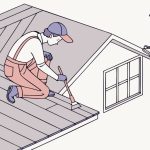
Builders and inspectors often describe spongy decking as a warning sign that deserves immediate attention, and homeowners usually recognize it the moment their roof no longer feels stable. A soft step on the roof surface tells a story about moisture, structure, and unseen damage beneath the shingles. Madison roof repair teams rely on clear indicators to understand what is happening below the top layer before recommending roof repair or roof replacement.
Reasons Why Decking Feels Spongy When Moisture Seeps Beneath Roof Layers
Moisture is the most common reason decking loses its solid feel. Once water slips beneath shingles, underlayment, or flashing, the wood underneath begins to weaken. Over time, trapped dampness softens the fibers, allowing the deck to bend under pressure. Roof repair professionals often find that a small leak left unaddressed can spread across a large section of decking.
The moisture source may not always be visible from outside. Tiny gaps, lifted shingles, and aging sealants can allow water to move laterally across the roof system. Homeowners searching for roofing near me or roof repair near me commonly discover that early moisture intrusion shows few symptoms until the decking already feels compromised.
What It Looks and Feels like When Decking Loses Firmness Under Foot
A spongy surface usually has a subtle bounce or dip when stepped on. Roof repair teams describe it as walking on a cushioned spot instead of a firm panel. The plywood or OSB softens as its structural bonds deteriorate, causing the decking to flex more than it should. In some cases, discoloration appears around weakened areas. Roof repair companies often look for darkened patches, swollen spots, or areas where the nails no longer hold tight to the framing below. These symptoms signal the need for immediate Madison roof repair before additional layers of damage form.
When Early Surface Sagging Hints at Deeper Structural Concerns
A slight sag along the surface can indicate more than cosmetic deformation. Decking may be losing its load-bearing strength, especially if moisture has been present for a long time. Roof repair crews pay close attention to subtle dips because they often mark the beginning stages of structural strain.
Sagging can also affect how water drains. Pooling water increases decay and may speed up the need for a full roof replacement. Roof repair near me searchers often become aware of sagging only after noticing uneven surfaces from the ground or seeing irregular shingle alignment.
How Soft Spots Reveal Trapped Water Inside Aging Roofing Systems
Soft areas tend to form where water accumulates and settles beneath the layers. Over the years, roofing systems age, and once-tight seals loosen. Trapped water spreads into the decking until the wood becomes compressible. Madison roof repair pros use this softness as a clue that water has been collecting for an extended period.
Soft spots may also show a different temperature during inspections. Thermal scans or simple hand checks sometimes reveal cooler zones where moisture lingers. Roof repair specialists use these signs to decide whether full deck replacement or targeted repair is the better option.
Signs That Hidden Rot Is Advancing Beyond the Top Shingle Layer
Rot typically begins inside the decking, not on the surface. By the time homeowners feel a sponge-like texture, rot may already be progressing deeper into the roof structure. Roof repair companies look for crumbling wood, dark streaks, and a musty odor coming from damaged sections. Beyond physical decay, rot weakens fasteners. Nails and screws loosen, causing shingles to lift and invite more water intrusion. Many owners looking up roof repair near me only learn about hidden rot after a detailed inspection confirms the wood no longer provides adequate support.
Clues Pointing to Ventilation Issues That Cause Lingering Dampness
Improper ventilation often creates the conditions that weaken decking. Warm interior air rises into the attic and becomes trapped, leaving moisture to condense on the underside of the roof deck. This continuous cycle slowly softens wood from below even if shingles remain intact.
Ventilation problems may also show up through rusting nails, damp insulation, or persistent attic humidity. Roof repair experts watch for these indicators because resolving the ventilation issue is essential before replacing damaged decking; otherwise, the cycle repeats and shortens the roof’s lifespan.
Indicators That Previous Repairs Failed to Address Underlying Decay
A roof with a history of patchwork repairs may hide lingering issues beneath the surface. Quick fixes that only address the top layer rarely solve moisture retention or weakened decking. Roof repair professionals often see mismatched shingles, inconsistent nail patterns, or uneven patches as signs that earlier work covered decay instead of resolving it.
Homeowners sometimes assume past repairs fully corrected the problem, yet spongy decking reveals the opposite. Addressing deeper damage is necessary to prevent repeated leaks and premature roof replacement. Fleming Roofing provides insight and repair services that ensure underlying issues are corrected rather than covered.