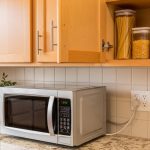
Setting up your kitchen efficiently requires thoughtful planning, especially when it comes to placing your microwave. This essential appliance gets used multiple times daily, yet many homeowners struggle to find the perfect spot for it. The right location balances convenience, safety, and aesthetics while keeping your kitchen functional.
A well-organized kitchen makes cooking easier and more enjoyable. When your microwave sits in the wrong spot, you’ll constantly work around it. You might find yourself reaching too far, blocking other appliances, or creating safety hazards. Therefore, understanding how to position your microwave correctly transforms your daily cooking routine.
This comprehensive guide will walk you through everything you need to know about placing your countertop microwave. You’ll learn about electrical requirements, storage considerations, and practical solutions that maximize your kitchen’s efficiency. By the end, you’ll have a clear plan for creating a functional and safe microwave station.
Understanding Your Microwave’s Electrical Requirements
Before choosing a location, you need to understand the power needs of your microwave. These appliances draw significant electricity, typically between 600 and 1200 watts. This high power consumption means you cannot simply plug them into any available outlet.
Most microwaves require a dedicated 120-volt outlet. Sharing an outlet with other high-wattage appliances can overload the circuit and trip breakers. Even worse, it creates potential fire hazards that put your home at risk.
Check your microwave’s wattage rating on the label or in the manual. This information determines what kind of electrical setup you need. Higher wattage models demand more robust electrical connections and may require professional assessment of your kitchen’s electrical capacity.
Additionally, the outlet should be a grounded three-prong type for safety. Modern building codes require Ground Fault Circuit Interrupter outlets in kitchens, which provide extra protection against electrical shocks. If your kitchen has older two-prong outlets, consider upgrading them before installing your microwave.
Planning Your Kitchen Countertop Setup
Creating an effective kitchen countertop setup starts with assessing your available space. Measure your countertop areas carefully before deciding where your microwave should go. You need to account for the microwave’s footprint plus the required clearance around it.
Most manufacturers recommend at least three inches of clearance on the sides and back of the microwave for proper ventilation. The top typically needs more space, often four to six inches, to prevent overheating. Without adequate ventilation, your microwave will work harder, consume more energy, and potentially fail prematurely.
Consider the workflow in your kitchen. Think about how you move between the refrigerator, stove, and sink. Your microwave should integrate naturally into this pattern rather than disrupting it. Placing it along your primary work path creates efficiency, while positioning it in an awkward spot forces unnecessary steps.
The height matters as much as the location. Your microwave should sit at a comfortable level where you can easily see inside and retrieve hot items safely. Counter height works well for most people, though you might prefer a slightly elevated position if you’re taller or have mobility concerns.
Think about what you’ll use the microwave for most often. If you primarily reheat beverages, a spot near your coffee maker makes sense. However, if you defrost meat frequently, positioning it closer to the refrigerator improves efficiency.
Evaluating Your Power Outlet Situation
Kitchen outlet planning determines where you can realistically place your microwave. Start by identifying all available outlets in your kitchen and noting which circuits they’re on. This information helps you avoid overloading any single circuit.
Measure the distance from potential microwave locations to nearby outlets. Most microwave cords are about three to four feet long. While extension cords might seem like an easy solution, they’re dangerous with high-wattage appliances and violate most electrical codes.
If your ideal microwave location lacks a nearby outlet, you have several options. The safest approach involves hiring a licensed electrician to install a new outlet. This investment ensures proper wiring and compliance with local electrical codes.
Consider the outlet’s position relative to the microwave. An outlet directly behind the appliance works well because the cord stays hidden. However, outlets to the side or slightly offset can also work if cabinet design allows cord management.
Check whether your existing outlets can handle the microwave’s power requirements. An electrician can test your circuits and determine if upgrades are necessary. Older homes particularly may need electrical panel upgrades to safely support modern kitchen appliances.
Maximizing Storage Around Your Microwave
Efficient storage near your microwave streamlines meal preparation. Keep items you use with the microwave within easy reach. This organization reduces unnecessary movement and makes cooking more efficient.
Upper cabinets above or beside the microwave are ideal for storing microwave-safe containers, covers, and dishes. This placement creates a dedicated zone where everything needed for microwave cooking stays together. You won’t waste time searching through multiple cabinets for the right container.
Lower cabinets or drawers beneath the microwave work well for larger items like mixing bowls, serving platters, and storage containers. These heavier items belong at lower heights anyway, making the space under your microwave doubly functional.
Consider installing pull-out shelves or organizers in cabinets adjacent to your microwave. These additions make accessing stored items easier and help you use the full depth of your cabinets. Deep cabinets often waste space because items in back become forgotten and inaccessible.
Open shelving near the microwave creates quick access to frequently used items. However, these shelves collect grease and dust more readily than closed cabinets. Reserve open storage for items you use daily and can easily wipe clean.
Creating Safe Clearance Zones
Safety requires maintaining proper clearance around your microwave. These spaces prevent overheating, reduce fire risk, and make the appliance easier to use. Never compromise on clearance requirements, even in tight kitchens.
The sides of your microwave need breathing room for air circulation. Most models have vents on one or both sides that expel hot air during operation. Blocking these vents causes the microwave to overheat, potentially damaging internal components or creating fire hazards.
Above the microwave, heat rises and needs somewhere to go. Cabinets directly overhead should have sufficient space, or you risk heat damage to cabinet contents. Some people place heat-sensitive items in these cabinets and later discover warped plastics or damaged packaging.
The front of the microwave needs clear access for opening the door fully. Measure the door’s swing radius and ensure no obstacles interfere. Additionally, you need space to comfortably stand in front of the microwave while retrieving hot items.
Below the microwave, ensure the surface can support the weight. Countertop microwaves can weigh 30 to 50 pounds when empty and more when in use. Weak or damaged countertops may sag over time, creating dangerous situations.
Keep combustible materials away from your microwave. Dish towels, paper products, and wooden utensils should not rest directly against the appliance. Heat from the vents can ignite these materials if they’re too close.
Optimizing Appliance Placement Tips
Strategic appliance placement creates a kitchen that works with you instead of against you. Your microwave should complement other appliances rather than compete for space or resources.
Avoid placing your microwave directly next to the refrigerator if possible. Refrigerators generate heat through their cooling process, and microwaves generate heat during use. When positioned side by side, each appliance works harder, consuming more energy and potentially shortening their lifespans.
Similarly, keep some distance between your microwave and the stove. Heat from cooking on the stovetop can affect the microwave’s performance and exterior finish. Moreover, tight spacing creates crowded workspaces where you might accidentally bump into the microwave while cooking.
The coffee maker and microwave often work well together. Many people use both appliances during morning routines, and grouping them creates an efficient breakfast station. Just ensure they’re not on the same circuit to prevent overload when used simultaneously.
Your dishwasher’s location also matters. If the dishwasher is near your microwave storage area, unloading becomes more efficient. Clean dishes go directly from dishwasher to the cabinets where you’ll use them next.
Think about vertical space utilization. If counter space is limited, consider a microwave shelf or cart that provides both a platform for the appliance and additional storage. These solutions work particularly well in small kitchens where every inch counts.

Dealing with Limited Counter Space
Small kitchens present unique challenges when organizing appliances. However, creative solutions exist that maintain functionality without sacrificing precious counter real estate.
Microwave carts offer mobility and additional storage. These wheeled units let you move the microwave when needed and roll it aside when you need more workspace. Many carts include shelves or drawers for storing microwave accessories and other kitchen items.
Corner spaces often go underutilized in kitchens. A corner shelf or small corner counter can accommodate a microwave while freeing up prime workspace along main countertop runs. This placement keeps the microwave accessible but out of the primary workflow.
Some people successfully use their microwave as part of a tiered storage system. A sturdy shelf unit can hold the microwave on one level with storage above and below. This vertical arrangement maximizes space efficiency in compact kitchens.
Folding or retractable shelves provide temporary microwave stations. When you need to use the microwave, pull out the shelf. When finished, fold it away to reclaim counter space. These solutions work well for people who use their microwave infrequently.
If renovation is possible, consider a built-in microwave shelf or niche. This permanent solution dedicates specific space to the microwave while maintaining a streamlined appearance. Built-in options often include integrated lighting and ventilation.
Managing Cords and Visual Clutter
Exposed cords create visual clutter and potential tripping hazards. Proper cord management makes your kitchen look cleaner and function more safely.
Route the cord along the back edge of the counter where it’s less visible. Many countertops have a small gap between the counter and the wall that can hide cords effectively. If your counter sits flush against the wall, consider installing cord management clips.
Cord shorteners or organizers bundle excess cord length neatly. These simple devices prevent dangling loops that look messy and could snag on items. They’re inexpensive and take seconds to install.
Some outlets include built-in cord management features. Pop-up outlets that retract into the counter when not in use create the cleanest look. While more expensive to install, they eliminate visible cords entirely.
Never staple or nail through microwave cords. This damages the insulation and creates serious electrical hazards. Similarly, avoid running cords under rugs, through walls, or behind permanent fixtures where they could overheat.
If the cord must cross an open area, use a cord cover designed for floor or wall mounting. These protective channels prevent tripping while keeping the cord organized and protected from damage.
Considering Future Flexibility
Your needs change over time, and your kitchen should adapt accordingly. When setting up your microwave station, think about future flexibility.
Avoid permanent installations unless absolutely necessary. Keeping your microwave on the counter or a movable cart allows for easy rearrangement if your needs change. You might want to remodel, accommodate new appliances, or simply try a different layout.
If installing new outlets, consider adding more than you currently need. Extra outlets provide flexibility for future appliances and prevent the need for additional electrical work later. This forward planning saves money and hassle.
Choose storage solutions that can be repurposed. Shelving units, drawer organizers, and cabinet systems that work for microwave storage today can serve other purposes tomorrow. Versatile storage adapts as your kitchen evolves.
Document your electrical setup. Take photos and keep records of which circuits power which outlets. This information becomes invaluable when making changes or troubleshooting problems. Future you will appreciate the organized records.
Maintaining Your Microwave Station
Once you’ve created the perfect microwave setup, proper maintenance keeps it functioning well. Regular care prevents problems and extends the life of both your appliance and surrounding storage.
Clean spills inside the microwave immediately. Food residue becomes harder to remove over time and can affect performance. A quick wipe after each use takes seconds but prevents stubborn buildup.
Wipe down the exterior regularly, including the area behind and beside the microwave. Grease and dust accumulate in these hidden spots, potentially affecting ventilation and cleanliness. Pull the microwave forward periodically for thorough cleaning.
Check the outlet and plug occasionally. Look for discoloration, loose connections, or burning smells. These signs indicate electrical problems that need professional attention. Never ignore electrical warning signs.
Organize your microwave storage areas periodically. Remove items you don’t use and reorganize remaining contents for better efficiency. This maintenance prevents clutter accumulation and keeps your system working smoothly.
Inspect the power cord for damage. Fraying, exposed wires, or damaged insulation require immediate attention. Replace damaged cords rather than attempting repairs, as electrical issues pose serious safety risks.
Addressing Common Setup Mistakes
Learning from common mistakes helps you avoid problems in your own kitchen. Many people make predictable errors when setting up their microwave stations.
Placing the microwave too high or too low creates ergonomic problems. You should comfortably reach inside without stretching or bending excessively. Repeatedly lifting hot items from awkward heights increases injury risk.
Ignoring ventilation requirements leads to overheating. Even if it means sacrificing a small amount of storage space, maintaining proper clearance protects your appliance investment. Overheated microwaves fail prematurely and can pose fire risks.
Using extension cords with microwaves violates safety codes for good reason. The high power draw can overheat extension cords, melting insulation and causing fires. Always plug directly into a proper outlet.
Blocking the microwave door’s swing path creates daily frustration. Ensure the door opens completely without hitting cabinets, other appliances, or walls. This seemingly obvious point gets overlooked surprisingly often during kitchen setup.
Neglecting to test the outlet before installation wastes time and effort. Verify the outlet works and provides adequate power before moving your microwave into position. This simple step prevents repositioning the appliance later.
Conclusion
Organizing your countertop microwave effectively requires balancing electrical requirements, storage needs, and workflow efficiency. Proper kitchen outlet planning ensures your microwave has safe, adequate power without overloading circuits. Thoughtful appliance placement tips help you create a functional layout that makes cooking easier and more enjoyable.
Start by understanding your microwave’s electrical needs and identifying suitable outlets. Create a kitchen countertop setup that provides proper clearance, convenient access, and integrated storage. Consider both your current needs and future flexibility when making decisions.
Safety should never be compromised for convenience. Maintain proper ventilation, use appropriate electrical connections, and keep combustible materials away from your microwave. These precautions protect your home and family while ensuring your appliance performs reliably.
With careful planning and attention to detail, your microwave station becomes a highly functional part of your kitchen. The time invested in proper setup pays dividends every day through improved efficiency, enhanced safety, and a more organized cooking environment.
Frequently Asked Questions
Can I plug my microwave into the same outlet as my refrigerator?
No, you should not plug your microwave and refrigerator into the same outlet. Both appliances draw significant power, and running them together can overload the circuit. Refrigerators typically need dedicated circuits, and microwaves should have their own outlet as well. Overloading can trip breakers, damage appliances, or create fire hazards. If you lack sufficient outlets, consult an electrician about adding properly rated circuits.
How much space should I leave around my countertop microwave?
Most manufacturers recommend at least three inches of clearance on the sides and back, with four to six inches above the microwave. These spaces allow proper ventilation and prevent overheating. Check your specific model’s manual for exact requirements, as they can vary. Never block ventilation openings, even if it means using more counter space. Proper clearance extends your microwave’s lifespan and ensures safe operation.
Is it safe to put things on top of my microwave?
Generally, no. The top of your microwave needs ventilation space, and placing items there blocks heat dissipation. Additionally, vibrations during operation can cause items to fall off. Some microwaves have heat-resistant tops designed to support light items, but check your manual first. If you must use the space, keep items lightweight, heat-resistant, and ensure ventilation openings remain clear.
What should I store in cabinets near my microwave?
Store items you frequently use with the microwave for maximum efficiency. This includes microwave-safe containers, covers, plates, and bowls. Keep pot holders or mitts nearby for safely removing hot items. Coffee mugs, tea supplies, and quick-meal ingredients work well in this area. Avoid storing items that can be damaged by heat in cabinets directly above the microwave, as heat rises during operation.
How do I know if my outlet can handle my microwave?
Check your microwave’s wattage rating and compare it to your outlet’s capacity. Most household outlets provide 15 or 20 amps at 120 volts. A 1000-watt microwave draws about 8 to 9 amps, well within standard outlet capacity. However, if other appliances share the circuit, you might overload it. An electrician can test your circuits and confirm they can safely handle your microwave. Never ignore tripped breakers or flickering lights, as these indicate electrical problems.
Related Topics:
Kitchen Sink Trends in 2025
Six ways to update kitchen cabinets