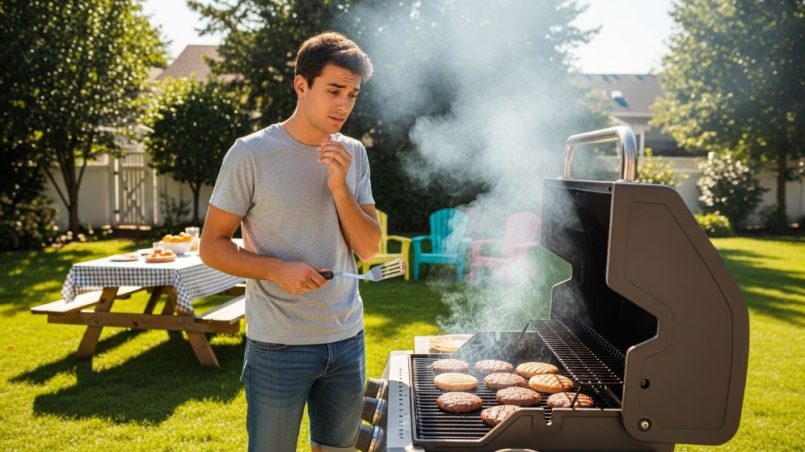
There is something special about cooking outdoors. The smell of food on a hot grill, the sound of sizzling meat, and the satisfaction of serving something you made from scratch — grilling brings all of that together. However, if you have never grilled before, the process can feel a little overwhelming at first.
The good news is that grilling is not as complicated as it looks. With a little preparation and the right mindset, anyone can master it. This guide covers everything you need to get started, from choosing your first grill to cooking your first meal confidently.
Why Grilling at Home Is Worth It
Grilling at home saves money. Restaurant barbecue and outdoor dining can add up quickly. Additionally, cooking at home gives you full control over ingredients, portion sizes, and flavors.
There is also a social side to grilling that is hard to match. It brings people together in a relaxed, casual way. Whether you are cooking for your family on a Tuesday evening or hosting friends on the weekend, a home grill turns any meal into an occasion.
Furthermore, grilling is one of the healthiest cooking methods. Fat drips away from the food as it cooks. You do not need much oil or butter. The result is a flavorful meal that is lighter than most pan-fried or deep-fried alternatives.
Choosing the Right Grill for Beginners
Before you can start cooking, you need to pick the right grill. This is one of the most important decisions you will make as a new griller.
Charcoal Grills
Charcoal grills are traditional and affordable. They produce a deep, smoky flavor that many people love. However, they require more time and effort. You have to light the coals, wait for them to heat up, and manage the temperature manually. For beginners willing to learn, charcoal grills offer a rewarding experience.
Gas Grills
Gas grills are easier to use. You simply turn a knob, press the igniter, and you have heat within minutes. Temperature control is straightforward. Therefore, gas grills are often the top choice for beginners who want consistent results without a steep learning curve.
Electric Grills
Electric grills are compact and perfect for small spaces like apartments or balconies. They are easy to clean and simple to operate. Additionally, they are a great option if open flames are not allowed where you live.
For most beginners, a gas grill or a basic charcoal grill is the ideal starting point. Start simple and build your skills from there.
Essential Tools Every Beginner Griller Needs
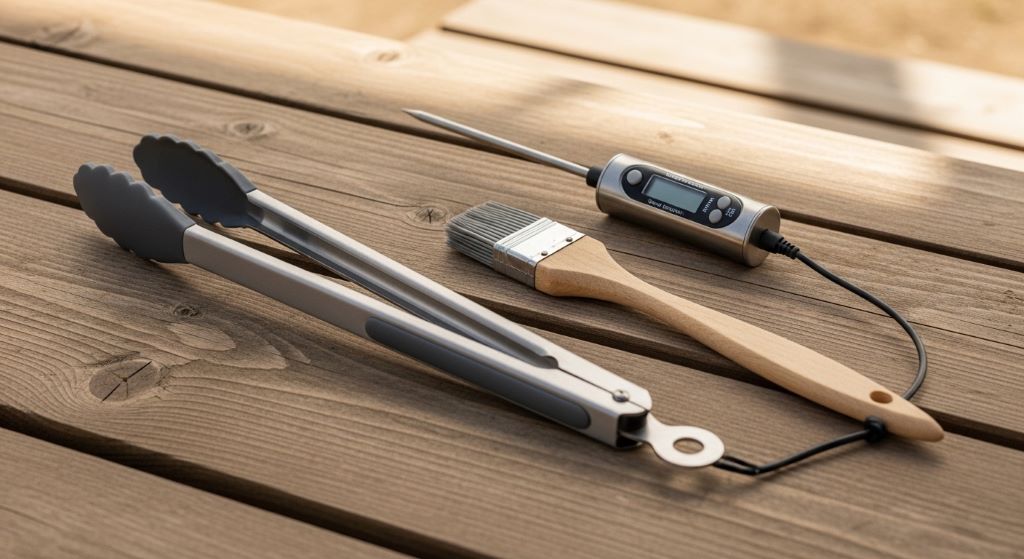
Having the right tools makes grilling much easier and safer. You do not need a full professional kit right away. However, a few key items will make a big difference.
- Long-handled tongs for turning food without burning your hands
- A stiff wire grill brush for cleaning the grates before and after cooking
- A reliable instant-read meat thermometer to check doneness
- A heat-resistant grill mitt to protect your hands
- A chimney starter if you are using a charcoal grill
These tools are affordable and widely available. Invest in decent quality from the start. Cheap tools tend to break quickly and can make the experience frustrating.
Understanding Grilling Basics Before You Cook
Learning a few grilling basics before your first session will save you a lot of trouble. The most important concept to understand is heat zones.
Direct vs. Indirect Heat
Direct heat means cooking food directly over the flame or coals. This method works well for thin cuts, burgers, sausages, and vegetables. The high heat sears the outside quickly and creates those satisfying grill marks.
Indirect heat means cooking food beside the heat source, not directly over it. Think of it like an outdoor oven. This method is ideal for thicker cuts of meat, whole chickens, or anything that needs more time to cook through without burning on the outside.
Many experienced grillers use both methods in the same cook. They sear over direct heat first, then move the food to indirect heat to finish cooking slowly.
Preheating the Grill
Always preheat your grill before placing any food on it. This step is critical and often skipped by beginners. A properly heated grill sears food cleanly, prevents sticking, and kills any bacteria left on the grates from previous use.
For gas grills, preheat on high for ten to fifteen minutes. For charcoal grills, let the coals burn until they are covered in white ash before you start cooking.
BBQ Tips for Beginners That Actually Make a Difference
Getting your first few cooks right builds confidence fast. Here are some practical BBQ tips for beginners that experienced grillers swear by.
Start with forgiving ingredients. Chicken thighs, burgers, and sausages are great for beginners. They are harder to overcook and still taste great even if something goes slightly wrong. Avoid delicate fish or thick steaks until you are more comfortable with heat management.
Do not press down on your food. It is tempting to press burgers or chicken with a spatula, but this squeezes out all the juices. Let the food cook undisturbed as much as possible.
Use a meat thermometer every time. Color alone does not tell you if food is safe to eat. A thermometer removes all the guesswork. Chicken should reach 165°F internally. Burgers are safe at 160°F. Steaks depend on your preference, but 145°F is the minimum safe temperature.
Keep the lid closed as much as possible. Every time you open the lid, heat escapes and the cooking time increases. Additionally, closing the lid creates an oven-like environment that helps food cook evenly.
Let your food rest after cooking. This step is often overlooked. Resting allows the juices inside the meat to redistribute. Even five minutes of resting time makes a noticeable difference in moisture and flavor.
Simple Marinades and Seasonings for Your First Grill
You do not need complex recipes to make great grilled food. Simple seasoning often works best. Salt, black pepper, garlic powder, and a little olive oil go a long way on almost any protein.
If you want to use a marinade, plan ahead. Most marinades need at least thirty minutes to work. Overnight is even better for chicken and pork. A basic marinade might include olive oil, lemon juice, garlic, and your favorite herbs.
However, avoid sugary marinades on high direct heat. Sugar burns quickly and can leave a bitter, charred coating on your food. Save sweet glazes for the last few minutes of cooking or for indirect heat situations.
Cleaning and Maintaining Your Grill
A clean grill performs better and lasts longer. Therefore, making cleaning a habit is one of the smartest things a beginner can do.
Brush the grates while they are still warm after each cook. Hot grates release food and grease far more easily than cold ones. A few quick passes with a grill brush is usually all it takes.
Once a month, do a deeper clean. Remove the grates and wash them with warm soapy water. Wipe down the interior of the grill to remove grease buildup. For gas grills, check the burners for blockages and clean the drip tray.
Proper storage also matters. Cover your grill when it is not in use. A good grill cover protects it from rain, dust, and sun damage. Additionally, if you live in a cold climate, bring propane tanks indoors during winter to maintain pressure.
Common Mistakes Beginners Make and How to Avoid Them
Even with the best intentions, beginners often make the same mistakes. Knowing these in advance puts you ahead of the curve.
Starting with too much heat is one of the most common errors. High heat is not always better. It burns the outside before the inside is cooked. Therefore, learning to use medium heat for most foods is a key skill.
Moving food too often is another mistake. Each time you move food, you interrupt the searing process. Let it sit until it releases naturally from the grates before flipping.
Skipping the thermometer is also common among beginners. Guessing doneness by look or touch leads to overcooked or undercooked food. A thermometer is a small investment that makes a big impact.
Finally, not cleaning the grill is a habit that causes problems over time. Grease buildup can cause flare-ups and uneven heating. A clean grill cooks more predictably and safely.
Conclusion
Grilling at home is one of the most satisfying skills you can develop. It does not require professional training or expensive equipment to get started. By choosing the right grill, investing in a few quality tools, and understanding the basics of heat management, you set yourself up for success from the very first cook.
Remember the grilling basics: preheat your grill, use the right heat zone for each food, and always check doneness with a thermometer. Start with simple ingredients, keep your grill clean, and practice regularly. Following solid BBQ tips for beginners is the fastest way to build confidence and skill.
The more you grill, the better you get. Before long, what once felt intimidating will feel completely natural. Get outside, fire up the grill, and enjoy the process.
Frequently Asked Questions
What is the easiest food to grill for a beginner?
Burgers, hot dogs, and chicken thighs are the easiest foods to start with. They cook quickly, are hard to ruin, and taste great with simple seasoning.
How do I prevent food from sticking to the grill grates?
Preheat the grill fully before adding food, and lightly oil the grates or the food itself. Clean grates also stick far less than dirty ones.
Do I need to marinate meat before grilling?
Marinating is not required, but it adds flavor and helps keep meat moist. Even a short thirty-minute marinade makes a difference. Salt and pepper alone can also produce excellent results.
How do I know when charcoal is ready to cook on?
Wait until the coals are covered with a layer of white or gray ash. This usually takes about twenty to thirty minutes after lighting. At that point, the coals are at their ideal cooking temperature.
Is it safe to grill in the rain?
Light rain is generally manageable with a gas grill, but grilling during heavy rain or storms is not recommended. Wet conditions can affect charcoal grills significantly and create safety risks. Always prioritize safety over convenience.
Related Topics:
Easy Vegan Recipes for Weight Loss: Delicious and Nutritious Meals
How to Avoid Pasta Dough Sticking to the Cutter Attachment